Published in : Cardiac Sciences | December 5, 2025 |
 Medically Reviewed
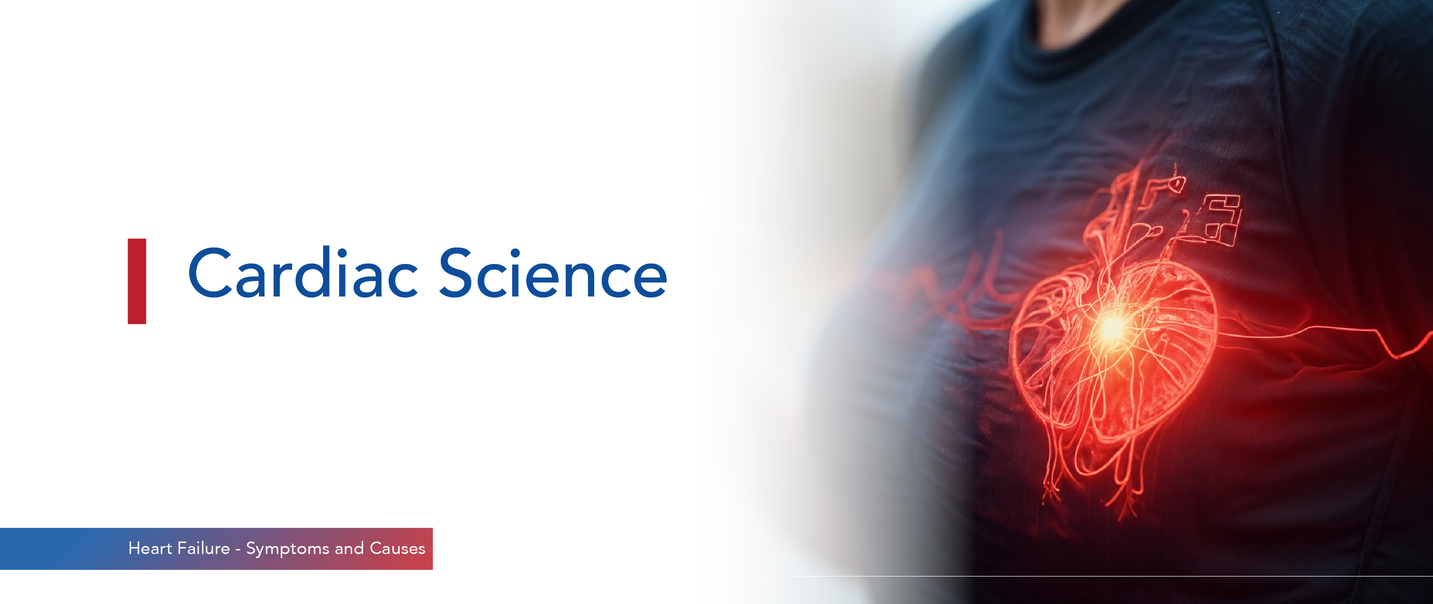
Heart failure is a chronic condition in which the heart is unable to pump blood effectively to meet the body’s needs. It can develop gradually that is chronic heart failure or occur suddenly which is acute heart failure. The condition is often the result of underlying cardiovascular diseases, such as coronary artery disease, high blood pressure, or a heart attack. Recognising early heart failure symptoms and seeking timely treatment is crucial to prevent complications and improve quality of life.
Heart failure does not mean the heart has stopped working rather it means the heart is not functioning as efficiently as it should. The heart’s reduced pumping ability leads to inadequate oxygen and nutrient delivery throughout the body. Over time, this causes fatigue, fluid buildup, and shortness of breath.
There are two main types of heart failure:
Heart failure can be further categorised as systolic heart failure (weakened pumping function) or diastolic heart failure (stiffened heart muscles that cannot relax properly).
While heart failure is a serious condition, with proper heart failure treatments and lifestyle adjustments, patients can lead fulfilling lives.
The symptoms of heart failure can vary depending on its severity and type. Early recognition is key to effective management.
In severe cases, patients may experience chest pain, fainting, or blue-tinged lips and fingers, indicating low oxygen levels. These symptoms require immediate medical attention at a reputed Cardiology Hospital in Bangalore.
The causes of heart failure are often linked to long-term strain on the heart due to other cardiovascular or systemic conditions. Common causes include:
Understanding the underlying causes of heart failure helps doctors tailor the right heart failure treatments for each patient.
There are several types of heart failure, each with distinct causes and manifestations:
Effective heart failure treatments aim to improve the heart’s function, control symptoms, and prevent further damage. The treatment approach typically involves a combination of medication, lifestyle changes, and, in some cases, surgery.
In advanced cases, heart failure surgery or medical devices may be required:
Patients can access expert care and advanced heart failure surgery options at SPARSH Hospital, where highly skilled Cardiologists in Bangalore and cardiac surgeons work together to ensure the best outcomes.
Ongoing follow-up and treatment adherence are essential to successfully deal with chronic heart failure and maintain a good quality of life.
Living with heart failure can be challenging, but with the right care, patients can manage symptoms effectively. Emotional and psychological support also plays a vital role. SPARSH Hospital provides holistic cardiac care from diagnosis to rehabilitation ensuring patients get the guidance they need to deal with heart failure confidently.
If you experience symptoms such as shortness of breath, fatigue, or swelling in your legs, do not delay seeking medical attention. The expert Cardiologists in Bangalore at SPARSH Hospital specialize in diagnosing and treating heart failure and other cardiovascular diseases.
You should consult a doctor immediately if you experience:
Early diagnosis and treatment can make a significant difference in managing heart failure symptoms and preventing serious complications.
Heart failure is a serious but manageable condition with the right treatment, lifestyle changes, and medical supervision. By recognising the symptoms of heart failure, understanding its causes, and seeking timely care from expert Cardiologists in Bangalore, patients can lead healthier lives.
SPARSH Hospital, a trusted Cardiology Hospital in Bangalore, offers comprehensive cardiac care from prevention to advanced heart failure surgery, ensuring the best outcomes for every patient.
The primary causes of heart failure include coronary artery disease, high blood pressure, and heart attack. Other factors like valve disorders, diabetes, and cardiomyopathy can also weaken the heart over time, reducing its ability to pump blood effectively.
Early heart failure symptoms often include shortness of breath, fatigue, swelling in the legs or ankles, and rapid heartbeat. Some patients may also experience a persistent cough or difficulty lying flat due to fluid buildup in the lungs.
While chronic heart failure cannot usually be cured, it can be effectively managed with medications, lifestyle changes, and in some cases, heart failure surgery or medical devices. With early intervention and continuous care from expert Cardiologists in Bangalore, patients can enjoy a better quality of life.
A heart attack occurs when blood flow to the heart muscle is suddenly blocked, causing tissue damage. Heart failure, on the other hand, is a chronic condition where the heart weakens over time and cannot pump blood efficiently. A severe heart attack can lead to heart failure if the heart muscle is significantly damaged.
Prevention involves maintaining good cardiovascular health managing blood pressure, cholesterol, and diabetes; quitting smoking; eating a heart-healthy diet; and staying physically active. Regular check-ups at a reputed Cardiology Hospital in Bangalore like SPARSH Hospital can help detect risk factors early and prevent heart failure from developing.
3 Mins Read
Categories: Cardiac Sciences










Heart Failure: Symptoms and Causes is available for appointments. Please fill the below form to book an appointment.
Unlock the door to exceptional healthcare, book an appointment with SPARSH Hospital and let your journey to wellness begin.
Copyright © 2026 SPARSH Hospital, A Unit of Shiva & Shiva Orthopaedic Hospital Pvt Ltd.