Published in : Nephrology | December 5, 2025 |
 Medically Reviewed
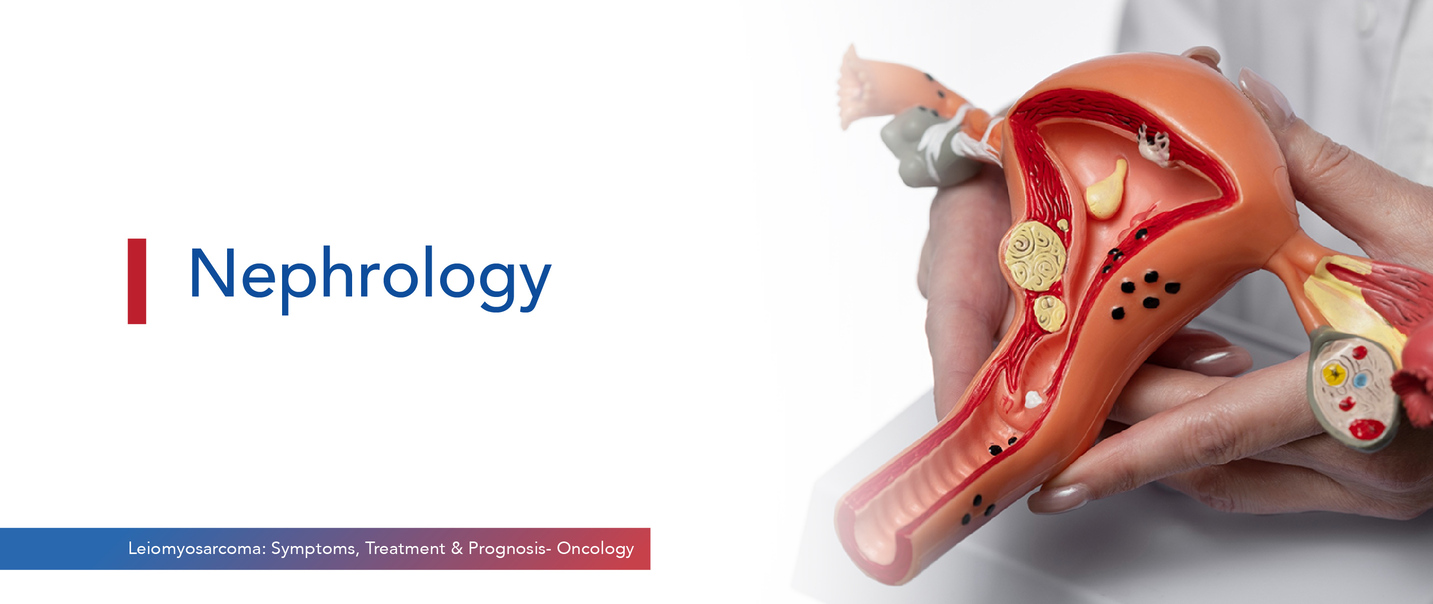
Leiomyosarcoma is a rare and aggressive type of soft tissue sarcoma that originates in the smooth muscle cells of the body. These muscles are found in the walls of organs such as the uterus, stomach, intestines, blood vessels, and kidneys. Though uncommon, leiomyosarcoma can develop anywhere smooth muscle is present. Early diagnosis and timely treatment are vital to improving outcomes and preventing metastasis.
Leiomyosarcoma (LMS) accounts for approximately 10–20% of all soft tissue sarcomas. It can occur in both men and women, but is more common in middle-aged and older adults.
The disease develops when smooth muscle cells begin to grow uncontrollably, forming malignant tumours that can invade nearby tissues or spread (metastasise) to distant organs such as the lungs or liver. Because leiomyosarcoma can appear in different parts of the body, its symptoms and prognosis vary depending on the site of origin.
The symptoms of leiomyosarcoma depend on where the tumour develops. In many cases, early stages may not produce noticeable signs. However, as the tumour grows, the following symptoms may occur:
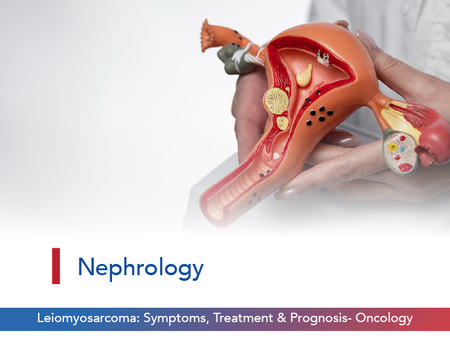
Uterine leiomyosarcoma originates in the smooth muscle layer of the uterus (myometrium) and is often mistaken for benign fibroids.
Common symptoms include:
Leiomyosarcoma of the kidney is extremely rare and aggressive. It often presents with:
Because it can mimic other kidney tumours, accurate diagnosis through advanced imaging and biopsy is essential.
When leiomyosarcoma spreads to distant organs, symptoms depend on the site of metastasis:
Radiology plays a crucial role in diagnosing and staging leiomyosarcoma. Imaging studies help determine tumour size, location, and extent of spread.
A biopsy is essential for definitive diagnosis. A small tissue sample from the tumour is examined under a microscope to confirm malignancy and determine the tumour grade.
Treatment for leiomyosarcoma depends on several factors, including tumour size, location, stage, and whether it has spread. A combination of surgery, chemotherapy, and radiation therapy is often used for the best outcomes.
Surgical removal of the tumour remains the primary treatment option. The goal is to remove the cancer completely with clear margins to prevent recurrence.
Radiation may be given before or after surgery to destroy remaining cancer cells. It helps reduce the risk of recurrence and control local disease.
Chemotherapy drugs are used to kill cancer cells or slow their growth, especially when the tumour cannot be completely removed or has metastasised.
Ongoing research has introduced targeted treatments that focus on specific molecular changes in cancer cells. Immunotherapy may also help the immune system recognise and attack cancer cells more effectively.
Uterine leiomyosarcoma is one of the most common subtypes of LMS. Though it accounts for less than 2% of uterine cancers, it is highly aggressive.
Because its symptoms resemble fibroids, it is often diagnosed after surgery for presumed benign growths. Early detection is challenging but crucial for better outcomes.
When leiomyosarcoma spreads to other organs, it becomes more difficult to treat. Metastatic leiomyosarcoma often affects the lungs, liver, or bones.
Although metastatic LMS is challenging, advances in treatment continue to improve quality of life and outcomes.
The prognosis of leiomyosarcoma varies depending on several factors:
Early-stage tumours have a better prognosis, while advanced or metastatic cases may require long-term management. Five-year survival rates range from 40% to 70% for localised disease, but are lower for metastatic leiomyosarcoma.
Regular follow-up imaging is critical to monitor for recurrence.
At SPARSH Hospital, our approach to leiomyosarcoma care is multidisciplinary. From expert oncologists to the best nephrologists in Bangalore, our team provides holistic care that includes:
For patients with leiomyosarcoma of the kidney, SPARSH offers access to the best nephrology hospital in Bangalore, where specialists ensure optimal kidney function during and after cancer treatment.
If you experience persistent pain, abnormal bleeding, or notice any unusual lump or swelling, it’s important to consult a healthcare professional immediately. Early diagnosis can significantly improve treatment outcomes.
Those in Bangalore can visit SPARSH Hospital, where expert oncologists and nephrologists offer comprehensive evaluation, accurate diagnosis, and advanced cancer care.
Leiomyosarcoma is a rare but serious cancer that requires early detection, accurate diagnosis, and comprehensive treatment. Whether it affects the uterus, kidney, or other organs, prompt medical attention is key to improving survival rates.
With expert oncologists, advanced imaging technology, and a patient-centric approach, SPARSH Hospital provides world-class care for patients with leiomyosarcoma — from diagnosis to recovery.
Leiomyosarcoma is a malignant tumour that originates from smooth muscle tissue. It can develop in organs like the uterus, kidneys, or blood vessels.
Common symptoms include persistent pain, swelling, abnormal bleeding (for uterine cases), or a palpable mass.
Diagnosis involves imaging studies like MRI or CT scans, followed by a biopsy to confirm the cancer type.
Treatment typically includes surgery, chemotherapy, and radiation therapy. In advanced cases, targeted therapy may also be used.
Yes. Metastatic leiomyosarcoma can spread to the lungs, liver, or bones, requiring systemic treatment.
You can visit SPARSH Hospital, one of the leading cancer and nephrology centres in Bangalore, offering expert care for leiomyosarcoma and other rare cancers.
3 Mins Read
Categories: Nephrology














Leiomyosarcoma: Symptoms, Treatment & Prognosis is available for appointments. Please fill the below form to book an appointment.
Unlock the door to exceptional healthcare, book an appointment with SPARSH Hospital and let your journey to wellness begin.
Copyright © 2026 SPARSH Hospital, A Unit of Shiva & Shiva Orthopaedic Hospital Pvt Ltd.