Published in : Haematology | February 25, 2026 |
 Medically Reviewed
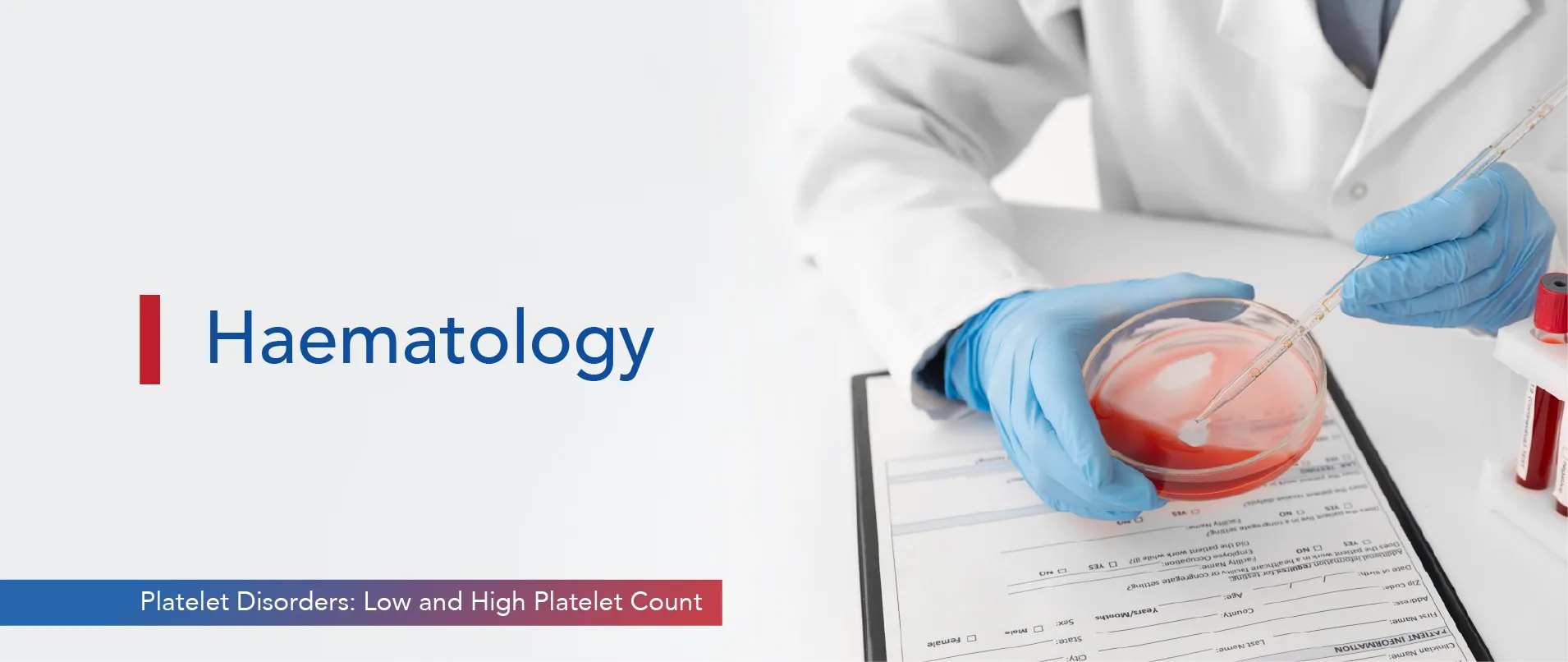
Have you ever wondered why small cuts heal on their own and how people can get bruises from seemingly nothing at all? The answer to both these questions probably lies with the cells that help stop bleeding or control blood flow: the platelets.
When an individual’s platelets are stable, the individual’s body usually responds quickly to injury and helps repair damaged blood vessels. On the other hand, if the individual’s platelets are unstable, there is usually a risk of either excessive bleeding or an increased likelihood of developing an abnormal clot.
There are three types of platelet disorders: first, a low platelet count; second, a high platelet count; and third, dysfunctional platelets. There are many causes of these platelet disorders, including genetic predisposition, infection-related illnesses, immune system problems, medications taken by the individual, and other underlying diseases. By identifying platelet disorders early, the physician can determine the underlying cause, treat the disorder, and reduce the risk of serious complications.
Platelet disorders occur when there is a disruption in platelet production, distribution, or function. These disruptions may lead to bleeding tendencies or, in some cases, thrombotic complications. A normal platelet count ranges between 150,000 and 450,000 per microlitre of blood. Values below this range are considered a low platelet count disorder, while levels above it indicate thrombocytosis.
There are two principal categories of platelet disorders: quantitative and qualitative. Quantitative disorders involve changes in platelet numbers. When platelet levels fall below the expected range, it results in a low platelet count disorder or thrombocytopenia. If levels are above the upper limit, thrombocytosis may be diagnosed. In contrast, qualitative platelet disorders affect platelet function even when the number of circulating platelets is normal.
Some disorders are inherited and result from gene changes that influence how platelets are made or how they behave. These conditions may appear soon after birth or later in childhood. Others are acquired, often due to infections, chronic illnesses, or medication effects. Common types of platelet disorders include Glanzmann’s thrombasthenia, Bernard-Soulier syndrome, immune thrombocytopenia (a low platelet count), and thrombocytosis caused by bone marrow abnormalities.
In several cases, platelet disorders may remain unnoticed unless a bleeding episode occurs or blood tests reveal an abnormal count.
Platelet disorders may result from several underlying causes. These include reduced production, increased destruction, abnormal function, or excessive accumulation.
Bone marrow disorders or suppression may impair platelet production. This may result from inherited marrow conditions or acquired states such as viral infections, systemic inflammation, or nutritional deficiencies.
Platelets may be destroyed too quickly in some individuals. This can occur when the immune system produces antibodies that attack platelets. Infections, autoimmune diseases, and certain treatments may be involved.
Qualitative platelet disorders occur when platelets are present in normal numbers but fail to work as expected. This may be due to structural defects or abnormalities in their chemical signals.
Thrombocytosis occurs when the bone marrow produces platelets in excess. This may be triggered by inflammation, cancer, or primary bone marrow disease. In some cases, high platelet counts may raise the risk of unwanted clotting.
Many inherited platelet disorders are caused by alterations in specific genes. These changes may affect how platelets are formed or how they respond to injury. Some follow recessive inheritance, while others may be dominant or linked to the X chromosome.
Long-term alcohol consumption and tobacco use can lead to a decline in platelet levels. In addition, nutritional deficiencies, especially iron and vitamin B12, may further contribute to low platelet counts.
Some medications may lower platelet counts or impair platelet function. In patients with pre-existing risk factors, these effects may increase bleeding risk.
Platelet disorders may arise in people with liver disease, kidney dysfunction, or autoimmune conditions. Pregnancy may sometimes be associated with mild changes in platelet numbers, requiring careful observation.
Symptoms of platelet disorders are usually related to bleeding. The severity depends on the underlying cause and the degree of dysfunction.
Minor trauma may cause large or frequent bruises, often appearing in unexpected areas.
Even small cuts may bleed for longer than expected. Delayed clotting is one of the most frequent signs of a low platelet count.
Frequent or unexplained bleeding from the nose or gums may occur. This is often an early sign, especially in children.
In women, a platelet disorder may lead to prolonged or heavy menstrual flow or cause tiny red or purple spots on the skin (petechiae).
Occasionally, bleeding within the digestive or urinary systems may be observed.
Excessive bleeding after minor procedures may reveal an undiagnosed qualitative platelet disorder.
In most cases, these symptoms prompt further investigation (especially when other causes have been excluded).
The approach to treating platelet disorders depends on the type and cause of the condition. Many platelet disorders can be managed successfully with regular monitoring and appropriate care.
Initial testing includes a complete blood count and review of blood film. When function is suspected to be impaired, further testing with platelet function studies may be needed. Inherited conditions may require genetic testing.
Individuals with diagnosed platelet disorders should avoid activities that increase the risk of injury. Routine medical reviews are recommended to monitor platelet levels and identify changes over time.
When bleeding risk is high or an invasive procedure is planned, platelet transfusion may be considered. In some situations, temporary medical support may be offered to improve platelet activity.
People with platelet disorders should be aware of their diagnosis and understand when to seek help. Education around symptoms and triggers is essential for daily safety.
When a diagnosis remains uncertain or bleeding episodes continue, referral to a specialist is advised. Individuals looking for a comprehensive evaluation may seek help from the best haematologist in Bangalore or consult the Best Haematology Hospital in Bangalore. Referral is especially important for children with suspected inherited conditions or adults with progressive symptoms.
Platelet disorders can affect both count and function, leading to either bleeding or clotting complications. Understanding the underlying cause remains central to managing these conditions.
Medical care focuses on prevention, safe monitoring, and support when needed. Awareness, education and appropriate referrals allow for long-term stability in most cases. With proper diagnosis and follow-up, most people with low platelet count disorders can lead active and safe lives.
Inherited platelet disorders may not be preventable, but early diagnosis and family screening help with long-term care. Acquired disorders may be minimised through awareness, avoiding certain substances, and timely medical intervention.
The first step is to identify the underlying cause of the low platelet count disorder. Management during pregnancy depends on the cause and severity of the condition and should always be guided by an obstetrician and haematologist.
Folic acid supports healthy blood cell production. In cases where folate deficiency contributes to platelet deficiency disorders, supplementation may help. A physician should confirm whether a deficiency exists.
Chronic stress may indirectly affect the immune system and platelet behaviour. While not a direct cause of platelet disorders, stress management may support overall haematological balance.
3 Mins Read
Categories: Haematology





Platelet Disorders: Low and High Platelet Count is available for appointments. Please fill the below form to book an appointment.
Unlock the door to exceptional healthcare, book an appointment with SPARSH Hospital and let your journey to wellness begin.
Copyright © 2026 SPARSH Hospital, A Unit of Shiva & Shiva Orthopaedic Hospital Pvt Ltd.