Published in : Obstetrics and Gynaecology | January 7, 2026 |
 Medically Reviewed
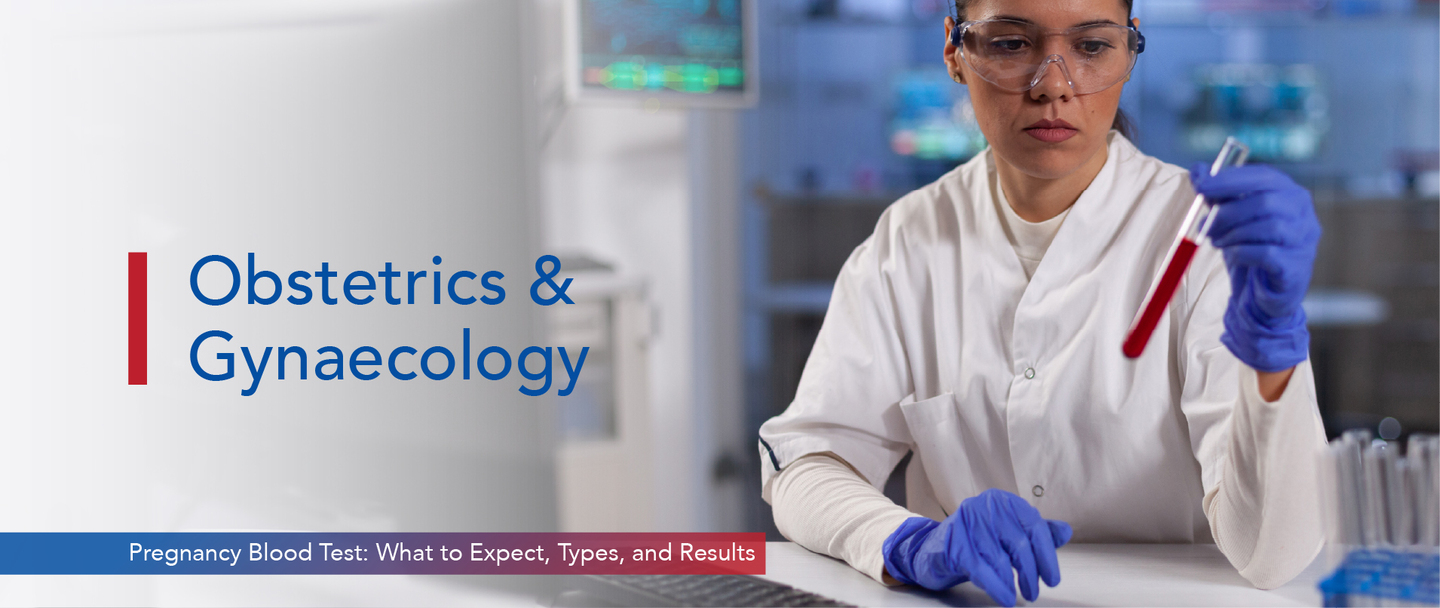
Pregnancy often brings physical, psychological, and emotional changes in the human body. Most people begin the process of confirmation with a home urine test. After that test shows a positive result or even before it does, one question usually arises. The question is whether there is a more accurate way to confirm pregnancy early. The answer is yes. That method is known as the pregnancy blood test.
This test helps confirm pregnancy with higher accuracy. It also allows the process of early care to begin smoothly. Pregnancy blood tests are used not only to confirm but also to guide the next steps in care. Knowing what to expect from these tests helps you feel prepared. It also helps you understand which tests are offered at each stage. You may wonder which blood test for pregnancy is used in early weeks. You may also ask how many blood tests during pregnancy are commonly required. This blog answers those questions.
If you are located in a major city like Bangalore, this information becomes even more useful. Once the first test is done, the next step involves selecting the right care provider. That usually means choosing from among the best gynaecologists in Bangalore. Before you take that step, it helps to understand what these tests involve.
A pregnancy blood test is a medical test done in a laboratory. It checks whether a hormone called human chorionic gonadotropin is present in the bloodstream. This hormone, also known as hCG, appears after the embryo attaches itself to the uterus. It is one of the earliest signs of pregnancy.
While home test kits also detect this hormone, blood tests are able to detect it earlier. That is because blood tests are more sensitive. They can measure even low amounts of the hormone. This gives a clear advantage when early confirmation is important.
Many people ask, can a blood test detect pregnancy earlier than a home test? The answer is yes. A blood test may detect pregnancy even before a missed period. This allows doctors to begin guidance at a very early stage. It also helps provide accurate information about the timeline of the pregnancy.
Once pregnancy is confirmed, blood tests do more than just monitor the hCG level. They become part of the routine schedule for prenatal care. They help assess maternal health, track foetal development, and identify any early risks. That is why the pregnancy blood test is a central part of care in maternity settings, including the best gynaecologist hospitals in Bangalore.
There is more than one kind of blood test involved in pregnancy care. Each test serves a different purpose. Here are the key types you need to know about.
This test checks whether the hCG hormone is present or not. It gives a simple yes or no result. If hCG is detected, the test confirms pregnancy. It is the most basic form of confirmation.
This test measures the exact amount of hCG in your blood. It is often used to estimate how far along the pregnancy is and whether hormone levels are increasing at a healthy rate.
This test checks your blood type and whether you are Rh positive or negative. If Rh incompatibility is found, specific care may be required to prevent future complications.
This measures levels of red blood cells, white blood cells and platelets. It helps identify anaemia or infection and supports overall health monitoring during pregnancy.
Some blood tests check for infections such as hepatitis, syphilis or rubella. These infections may affect foetal development if not addressed in time.
Later in pregnancy, blood tests help assess blood sugar levels and thyroid function. These are important for identifying gestational diabetes or thyroid disorders.
Different blood tests are done at different points in pregnancy. Here is how the process is usually structured.
When someone suspects they are pregnant, a pregnancy blood test is usually the next step. This is when the hCG test [qualitative or quantitative] is most commonly used.
At the first prenatal check-up, a full set of blood tests is ordered. This includes CBC, blood group, Rh factor and infection screening. This helps doctors create a care plan.
During this time, glucose testing and thyroid function tests may be performed. These tests check for metabolic changes that affect both the mother and the foetus.
Additional blood tests may be advised if there are symptoms of infection, changes in blood pressure, or concerns about foetal growth.
If you are asking how many blood tests during pregnancy are normal, it depends on individual health. Most pregnancies involve at least three rounds of testing, but this number may increase based on medical history or symptoms.
Many people delay visiting a doctor until they have taken a home pregnancy test. But some prefer early confirmation. If you are unsure about a test result or if you are having irregular periods, visiting a doctor early is wise. That is when the question of “Can a normal blood test detect pregnancy?” usually comes up. The answer is that standard blood panels do not include hCG checks. You must specifically request or be prescribed a test that detects pregnancy hormones.
You should also consult a specialist if you have experienced complications in past pregnancies, or if you are at risk due to age, medical conditions or family history. An expert will not only confirm the pregnancy but also plan the correct sequence of blood tests to follow.
If you are in Bangalore, a consultation with any of the best gynaecologists in Bangalore will include all the steps needed for safe and structured prenatal care. This includes early diagnosis, blood test scheduling, and health risk assessments based on test results.
Pregnancy care begins even before the first ultrasound. It begins with knowledge. A pregnancy blood test is more than a diagnostic tool. It is the foundation of maternal care that continues through each trimester. It allows doctors to detect pregnancy early, assess health risks, and monitor how both mother and baby are progressing.
If you are thinking about when to schedule your first test or wondering when to do a blood test for pregnancy, the answer lies in your current health, symptoms and personal timeline. Early tests help create a smoother and safer journey for everyone involved.
Whether you are preparing for your first prenatal visit or researching types of blood tests during pregnancy, understanding each test’s role will help you approach pregnancy with confidence. It may also help you ask the right questions when you meet your care provider. And that is always a good place to start.
A pregnancy blood test may detect hCG as early as 6 to 8 days after ovulation. This means it can identify pregnancy before a missed period in many cases.
Most test results are available within 24 to 48 hours. In urgent cases, some labs may deliver results on the same day, depending on the type of test and location.
In early pregnancy, you want to see detectable levels of hCG. For ongoing care, you should also check your CBC, blood group, Rh status, and any flagged values in infection screening.
A full prenatal blood test includes a complete blood count, hCG confirmation, blood group typing, Rh factor, infection screening, thyroid function, and glucose tolerance testing.
Blood tests alone may not confirm an ectopic pregnancy. However, slow or abnormal rises in hCG levels may raise suspicion. This often leads to further imaging tests for diagnosis.
3 Mins Read
Categories: Obstetrics and Gynaecology















Pregnancy Blood Test: What to Expect, Types, and Results is available for appointments. Please fill the below form to book an appointment.
Unlock the door to exceptional healthcare, book an appointment with SPARSH Hospital and let your journey to wellness begin.
Copyright © 2026 SPARSH Hospital, A Unit of Shiva & Shiva Orthopaedic Hospital Pvt Ltd.