Published in : Cardiac Sciences | February 25, 2026 |
 Medically Reviewed
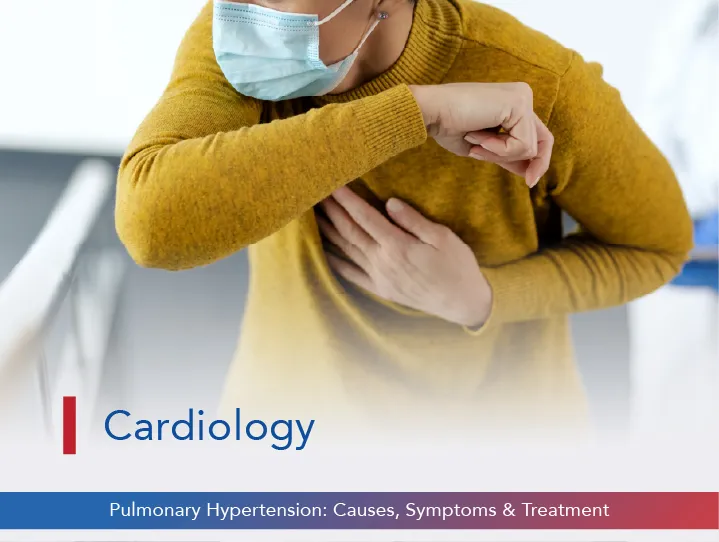
Pulmonary hypertension is a condition that alters the normal balance of blood flow between the heart and the lungs. It may begin silently, without signs in the early phase, but over time, the condition places sustained pressure on the heart’s right chambers.
With early diagnosis and proper care, many people can manage symptoms and maintain daily activities. While symptoms vary from person to person, the burden of the condition may be great. Understanding the underlying patterns and the clinical approach is useful for guiding patients and healthcare teams to timely recognition and appropriate care.
Pulmonary hypertension is defined as a rise in blood pressure within the pulmonary arteries. These vessels carry blood from the right side of the heart to the lungs for oxygenation. Normally, blood flows easily through the lung arteries. In pulmonary hypertension, structural changes, such as muscular thickening, inflammation, and fibrosis, reduce the vessels’ capacity to handle blood flow. This disruption underlies the elevated pressures observed in this condition.
The condition cannot be classified as a single disease. It refers to a group of disorders, each with a different cause but a common outcome, i.e., raised pulmonary artery pressure. Structural changes within the vessel walls may include muscle thickening, inflammation, and scarring. Over time, this leads to reduced flexibility and poor blood flow.
Doctors classify pulmonary hypertension into five groups based on the underlying cause, which helps guide treatment decisions. The first involves the pulmonary arteries directly, referred to as pulmonary arterial hypertension. The second is related to pressure build-up caused by left-sided heart disease.
The third condition covers cases linked to lung disorders or chronic low oxygen. The fourth group results from blockages in the pulmonary arteries, such as unresolved clots. The final category includes complex cases with multiple or unclear mechanisms. Understanding these distinctions is important when designing a treatment plan.
Pulmonary hypertension causes depend on which part of the circulatory or respiratory system is involved. While the end effect is similar, the underlying triggers vary across cases.
Changes that occur in the smaller pulmonary arteries may lead to increased pressure. These changes may be due to genetic mutations, immune-mediated conditions, or structural heart problems present from birth. Some infections or drug exposures have also been linked to vessel narrowing in this group.
When the left side of the heart is unable to pump blood effectively, the pressure may build up behind it. This backward transmission of pressure raises pulmonary levels. Conditions such as valve disorders or left ventricular failure often fall under this category.
Lung conditions that affect air exchange may cause a drop in oxygen levels. In response, the pulmonary arteries constrict. Over time, this natural reaction may become permanent, leading to sustained high pressure.
In some cases, clots that travel to the lungs may not fully resolve. These clots may harden and narrow the arteries. This condition, known as chronic thromboembolic pulmonary hypertension, may arise months or even years after the initial event.
When the cause remains uncertain or when several mild factors act together, the case is grouped under multifactorial pulmonary hypertension. This category may require more detailed investigations to determine the right management strategy.
Pulmonary hypertension symptoms often develop slowly. In some people, symptoms may remain mild at first and become more noticeable only as the condition progresses. Others may experience early discomfort during physical exertion. Any persistent breathlessness should be evaluated by a physician.
Shortness of breath during activity is often the first sign. It reflects reduced blood flow through the lungs and poor oxygen delivery to tissues.
Patients may tire easily, even after light movement. This may result from reduced cardiac output and impaired oxygen supply.
Some people report tightness or heaviness in the chest. The symptom may not relate to coronary disease but rather to increased pressure inside the heart chambers.
Light-headedness may occur when blood does not reach the brain quickly enough. In some cases, fainting may also be reported.
Fluid retention in the lower limbs, abdomen, or around the ankles may point towards right heart strain. The symptom usually appears in more advanced cases.
The sensation of a fast or irregular heartbeat may be linked to changes in the heart’s rhythm due to ongoing pressure overload.
Recognising these signs early may help guide further assessment. A referral to the best cardiologist in Bangalore may be considered when unexplained symptoms persist.
The goal of pulmonary hypertension treatment is to lower pressure in the lungs, protect heart function, and improve activity levels. The strategy may differ depending on the cause and stage of the disease.
In cases where the condition arises from left-heart disease or chronic lung problems, treating the root causes remains the first step. Controlling blood pressure, improving breathing, or treating sleep disorders may offer significant relief.
The right side of the heart is directly affected by elevated pulmonary pressure. Regular monitoring with imaging, function tests, and oxygen levels helps guide further care.
Pulmonary arterial hypertension or unexplained cases require specialised input. The best cardiology hospital in Bangalore may offer access to right-heart catheterisation, functional testing, and long-term monitoring.
Patients may be advised to avoid prolonged exposure to high altitudes, limit physical overexertion, and follow personalised plans regarding activity, hydration, and nutrition. Oxygen therapy may be considered in those with persistent low saturation levels.
A team of cardiologists, pulmonologists, physiotherapists, and nurses ensures that each aspect of care is addressed. Education, counselling, and symptom tracking support long-term stability.
Pulmonary hypertension develops when blood vessels in the lungs experience persistent high pressure. This condition may result from heart disease, lung disease, arterial blockages, or internal vessel abnormalities. Over time, the extra work placed on the right side of the heart may lead to symptoms such as breathlessness, fatigue, and swelling.
Pulmonary hypertension causes may vary, but the importance of early diagnosis remains constant across all cases. With appropriate medical care and regular follow-up, many patients can manage symptoms and improve their quality of life.
The most common causes include left heart dysfunction, chronic lung disease, and arterial abnormalities. In some patients, blood clots in the lungs or structural heart defects may also be responsible.
Pregnancy requires close supervision for patients who have been affected by pulmonary hypertension. Pregnancy in women with pulmonary hypertension requires very close medical supervision, as it carries higher risks. Care is planned by a specialised medical team to protect both mother and baby.
The best approach depends on the underlying cause. It may involve heart or lung disease control, lifestyle changes, and functional monitoring. Reaching out to the best cardiologist in Bangalore may support long-term planning and evaluation.
Avoiding high-altitude travel, extreme physical exertion, and untreated sleep-related breathing problems may reduce the risk of complications. Monitoring fluid intake and reporting new symptoms also helps maintain stability.
3 Mins Read
Categories: Cardiac Sciences










Pulmonary Hypertension Causes, Symptoms and Treatment Options is available for appointments. Please fill the below form to book an appointment.
Unlock the door to exceptional healthcare, book an appointment with SPARSH Hospital and let your journey to wellness begin.
Copyright © 2026 SPARSH Hospital, A Unit of Shiva & Shiva Orthopaedic Hospital Pvt Ltd.