Published in : Nephrology | April 9, 2026 |
 Medically Reviewed
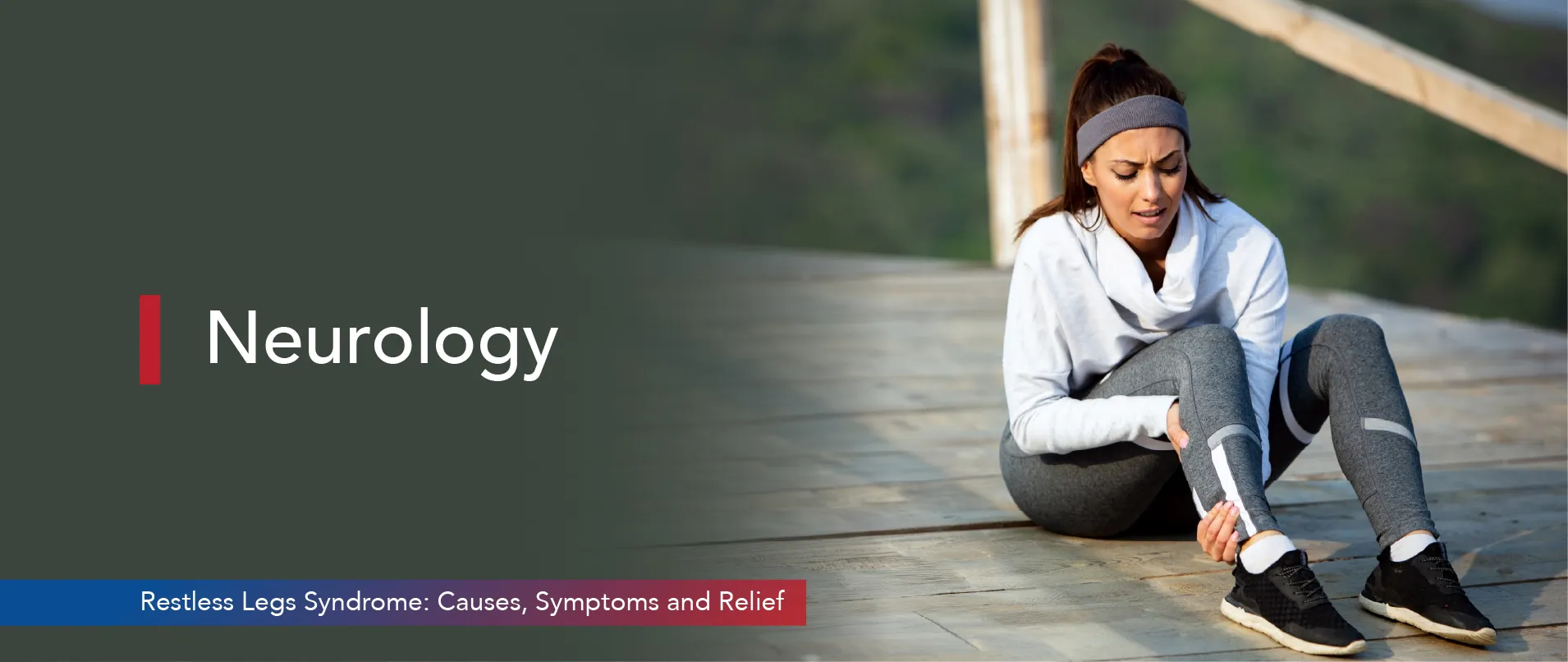
Have you ever tried to relax after a long day, only to feel an odd, irresistible urge to move your legs? That crawling, tingling, or pulling sensation that refuses to settle can leave you wondering what’s happening to your body. Many people dismiss it as simple restlessness, but it could actually be Restless Legs Syndrome (RLS).
RLS is a neurological condition that creates uncomfortable sensations in the legs, especially during rest. While it may sound concerning at first, the reassuring truth is that restless leg syndrome is manageable and treatable. With awareness, the right diagnosis, and proper care, most people experience significant relief.
This guide explains restless leg syndrome symptoms, causes, diagnosis, and treatment options, so you feel informed and hopeful about recovery.
Restless Legs Syndrome, often shortened to RLS, is a neurological condition that affects how your legs feel at rest. People describe sensations deep in their legs such as crawling, tingling, pulling, throbbing, or itching. These sensations trigger a strong urge to move, which temporarily eases discomfort.
Sometimes casually referred to as “shaking leg syndrome” or simply “restless legs,” RLS is more than a habit or nervous movement. It is a recognised condition involving nerve signalling and brain chemistry.
Importantly, RLS is not dangerous, and with the right treatment, symptoms can be managed effectively.
Recognizing restless leg syndrome symptoms early can make a meaningful difference in managing the condition. Common signs include:
Some individuals also experience broader restlessness, in which sitting still becomes uncomfortable. Over time, disrupted sleep may lead to fatigue or irritability, but these effects typically improve once symptoms are addressed.
Understanding what may trigger restless leg syndrome (RLS) can make the condition feel less overwhelming. While a single cause isn’t always identified, several biological and lifestyle factors are known to contribute to the problem.
RLS is linked to disruptions in dopamine, a brain chemical that controls movement. When signaling is affected, it can lead to abnormal sensations typical of RLS.
A family history of RLS increases the likelihood of developing the condition, suggesting a hereditary influence.
Low iron levels in the brain can interfere with nerve signalling, even when blood iron appears normal.
Hormonal and circulatory changes during pregnancy may temporarily trigger symptoms.
Conditions such as kidney disease, diabetes, and neurological disorders can raise the risk of RLS.
Excess caffeine or alcohol, poor sleep, and prolonged inactivity may worsen symptoms.
Recognising these causes helps individuals make informed lifestyle changes alongside medical care.
Because symptoms often peak at night, restless legs can significantly disturb sleep. Many people struggle to fall asleep or wake up frequently due to discomfort. Poor sleep may impact mood, focus, and energy levels.
The encouraging news is that sleep disruption caused by RLS is reversible. When symptoms are properly managed, sleep quality improves, helping restore overall well-being.
There isn’t a single lab test that confirms RLS. Diagnosis relies on understanding symptom patterns and ruling out other conditions. A doctor may:
Professional evaluation ensures accurate identification of RLS symptoms, preventing confusion with muscle cramps or anxiety-related restlessness.
Modern RLS treatment focuses on reducing discomfort, improving sleep, and enhancing daily quality of life. Most people benefit from a combination of lifestyle strategies and medical support.
For moderate to severe symptoms, doctors may recommend:
Treatment is personalized and with proper care, many individuals see significant improvement.
If shaking leg syndrome or persistent leg discomfort regularly interferes with sleep or daily life, it’s wise to consult a specialist. Early evaluation helps prevent frustration and promotes faster symptom relief.
Visiting a Neurology Hospital in Bangalore or consulting the Best neurologist in Bangalore ensures access to expert diagnosis and tailored treatment strategies.
At Sparsh Hospital, neurological specialists focus on identifying the root cause of RLS symptoms and creating patient-centred treatment plans. The goal is not only symptom control but also the restoration of comfort, sleep, and confidence in daily life.
Restless Legs Syndrome can be uncomfortable and disruptive, but it is a condition that can be effectively managed with the right understanding and care. Recognizing restless leg syndrome symptoms early and seeking timely evaluation helps prevent ongoing sleep disturbances and improves overall quality of life. With proper treatment, many people experience meaningful relief and return to more restful nights.
If persistent restless legs are affecting your comfort, seeking expert neurological guidance is an important step toward recovery. If you are looking for a neurologist in Bangalore, you can visit your nearest Sparsh Hospital, a trusted Neuroscience Hospital in Bangalore, where specialists focus on personalized care and evidence-based treatment. Consulting the Best neurologist in Bangalore can help you address symptoms with confidence and move toward calmer, more comfortable days and nights.
Restless leg syndrome is not life-threatening, but it can disturb sleep and comfort. With proper evaluation and RLS treatment, most people manage symptoms effectively and return to normal routines without long-term health risks.
While RLS may not always have a permanent cure, symptoms can be controlled successfully. Lifestyle changes, medical care, and addressing triggers, such as iron deficiency, often provide long-lasting relief and significantly improve sleep quality.
RLS symptoms often intensify in the evening because the body is at rest and dopamine activity changes. It makes leg sensations more noticeable, but treatment and healthy sleep habits can greatly reduce nighttime discomfort.
Yes. Gentle movement, stretching, or walking temporarily relieves discomfort by stimulating circulation and nerve activity. Regular moderate exercise can reduce symptom severity, though overexertion may worsen sensations in some individuals.
If leg discomfort regularly interrupts sleep or daily life, consult a neurologist. Early diagnosis helps rule out other causes and ensures timely RLS treatment, preventing worsening symptoms and improving overall well-being.
Categories: Nephrology













Restless Legs Syndrome: Causes, Symptoms and Relief is available for appointments. Please fill the below form to book an appointment.
Unlock the door to exceptional healthcare, book an appointment with SPARSH Hospital and let your journey to wellness begin.
Copyright © 2026 SPARSH Hospital, A Unit of Shiva & Shiva Orthopaedic Hospital Pvt Ltd.