Published in : Pulmonology | December 5, 2025 |
 Medically Reviewed
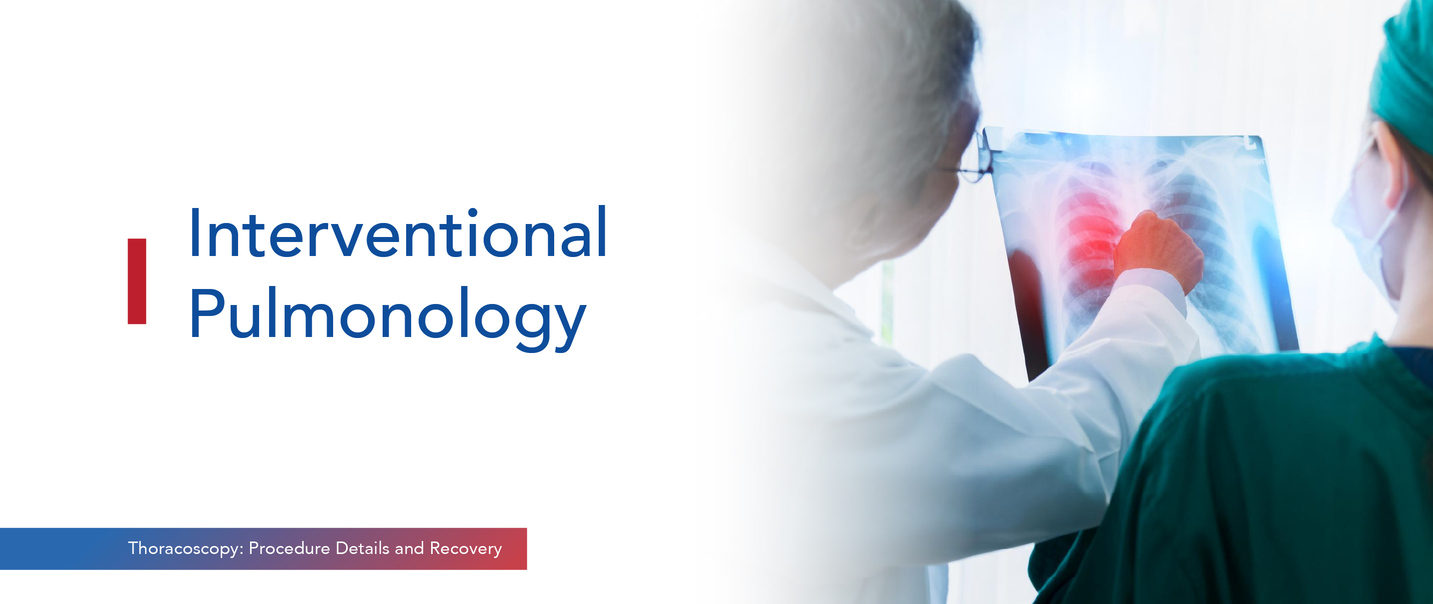
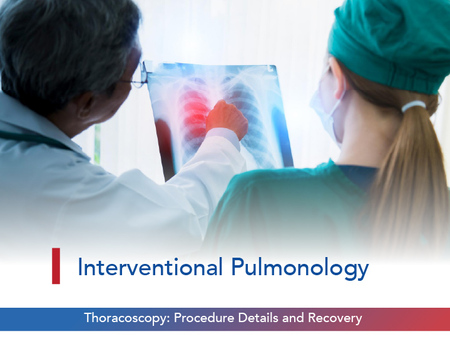
Thoracoscopy, also known as medical thoracoscopy or pleuroscopy, is a minimally invasive diagnostic and therapeutic procedure that allows doctors to examine and treat conditions within the chest cavity. It provides a direct view of the pleura (lining of the lungs) and is often used to diagnose lung diseases, pleural effusions, infections, and tumors. This procedure helps in early detection and treatment of thoracic disorders with less discomfort and quicker recovery compared to open surgery. If you are advised to undergo a thoracoscopy, it’s important to understand the process, indications, and what to expect during recovery.
Thoracoscopy is a minimally invasive technique performed to inspect the pleural cavity and lungs. Using a thoracoscope, a thin, tube-like instrument fitted with a camera and light source, doctors can view internal structures in real time. The procedure helps diagnose unexplained pleural effusions, infections like tuberculosis, or suspected lung cancer.
There are two main types of thoracoscopy:
Thoracoscopy is preferred because it is less invasive than open chest surgery, involves smaller incisions, and offers faster recovery with minimal scarring.
The indications for thoracoscopy include both diagnostic and therapeutic purposes. Some of the most common conditions that require this procedure are:
Thoracoscopy gives direct access to the pleural cavity, ensuring accurate diagnosis and immediate management when required.
The thoracoscopy procedure is typically performed in a specialized operating or endoscopy suite under sterile conditions. Depending on the case, local or general anesthesia is used.
Before the procedure, patients undergo imaging tests like chest X-rays or CT scans to locate fluid or abnormalities. You may be asked to fast for several hours before the procedure.
In medical thoracoscopy, local anesthesia and mild sedation are given to keep you comfortable.
In thoracoscopy surgery (VATS), general anesthesia is administered.
The type of thoracoscopy anesthesia used depends on the complexity of the procedure.
The patient is usually positioned on their side (commonly for left thoracoscopy or right, depending on the affected lung). A small incision is made between the ribs.
The rigid thoracoscope or flexible scope is gently inserted through the incision. The doctor inspects the pleural cavity using the camera’s live feed.
Fluid or tissue samples are collected for testing (thoracoscopy test). In some cases, fluid is drained, or pleurodesis is performed.
Once the procedure is complete, a chest tube may be placed temporarily to drain any remaining air or fluid. The incision is then closed.
The entire procedure typically lasts between 30 minutes to 1 hour, depending on the purpose and findings.
While medical thoracoscopy is considered safe, as with any procedure, there can be potential risks and complications. These include:
Severe complications are rare, especially when the procedure is performed by experienced specialists. At SPARSH Hospitals, safety and precision are prioritized throughout the thoracoscopy process to minimize risks and ensure optimal outcomes.
Recovery after thoracoscopy surgery is usually quicker than after open chest procedures. Most patients can go home within 1–2 days, depending on their condition.
After the thoracoscopy:
Once discharged, follow these care tips:
Complete thoracoscopy recovery may take 1–2 weeks, depending on the individual’s health and the underlying condition being treated.
Your pulmonologist will discuss the thoracoscopy test results with you and recommend the next steps in treatment, such as medication, further tests, or surgery.
Thoracoscopy offers several benefits over traditional open surgery, including:
This makes it a preferred approach for diagnosing pleural and lung disorders.
If you experience persistent chest pain, shortness of breath, or unexplained pleural effusion, consult a specialist for evaluation.
You can visit SPARSH Hospitals, the best pulmonology hospital in Bangalore, to get expert guidance from highly experienced professionals. Our team includes some of the best pulmonologists in Bangalore who specialize in medical thoracoscopy, lung disease management, and advanced respiratory care.
Thoracoscopy is a safe, effective, and minimally invasive procedure used to diagnose and treat pleural and lung diseases. Understanding the thoracoscopy procedure, its indications, and recovery process helps patients prepare better and recover faster. Early consultation and care at a trusted medical center like SPARSH Hospitals can make all the difference in achieving a successful outcome.
If you’re advised to undergo a thoracoscopy surgery, rest assured that you’re in capable hands at SPARSH where compassionate care meets advanced technology.
Thoracoscopy is performed to examine the lungs and pleura, drain fluid, take biopsies, and treat conditions like pleural effusion, tuberculosis, and pneumothorax.
The procedure is done under local or general anesthesia, so you won’t feel pain. Mild soreness may occur afterward but typically resolves within a few days.
Most patients recover within 1–2 weeks. Light activities can be resumed in a few days, but strenuous exertion should be avoided until cleared by your doctor.
3 Mins Read
Categories: Pulmonology









Thoracoscopy: Procedure Details and Recovery is available for appointments. Please fill the below form to book an appointment.
Unlock the door to exceptional healthcare, book an appointment with SPARSH Hospital and let your journey to wellness begin.
Copyright © 2026 SPARSH Hospital, A Unit of Shiva & Shiva Orthopaedic Hospital Pvt Ltd.