Published in : General Medicine | March 9, 2026 |
 Medically Reviewed
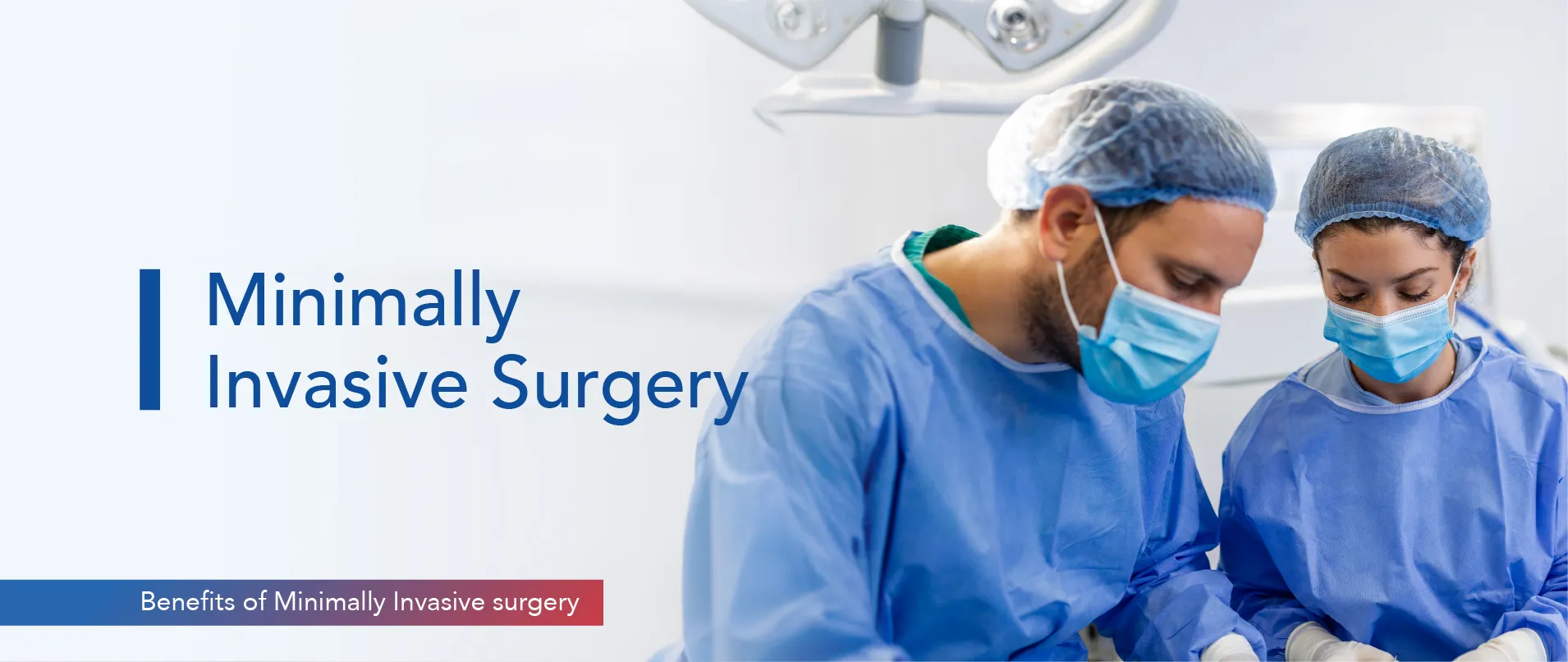
Can surgery really be done with less pain, fewer scars, and a quicker recovery?
For many patients today, the answer is yes, as minimally invasive surgery allows effective treatment with less physical impact. This modern surgical approach uses small incisions and specialised instruments to treat a wide range of conditions while reducing disruption to surrounding tissues. Compared with traditional open surgery, minimally invasive techniques often offer improved precision, shorter hospital stays, and faster healing. Understanding how these procedures work and who they are suitable for can help patients make informed choices about their surgical care.
The term minimally invasive surgery refers to procedures performed through small incisions, or, in some cases, without external incisions. The approach relies on specialised instruments, often guided by cameras or robotic systems, to perform surgery inside the body.
Instead of wide surgical openings that expose internal organs, this technique allows surgeons to access the required area with much less disturbance to surrounding tissue. The internal view is projected onto high-definition screens via an endoscope or similar device, enhancing precision and accuracy.
While some advanced minimally invasive surgeries may take longer to perform due to the complexity of tools and navigation, the long-term benefits are often significant. Implementing this advanced technique may reduce blood loss, minimise infection risk, and limit postoperative discomfort.
In hospitals offering minimally invasive surgery in Bangalore and worldwide, the process is widely accepted across departments, including general surgery, gynaecology, cardiology, and orthopaedics.
Minimally invasive surgery is not a single technique. It includes several different approaches, each tailored to specific medical needs. The common goal is always the same: to achieve results with minimal impact on the body.
Laparoscopic procedures are among the most commonly used minimally invasive techniques. Surgeons make small incisions in the abdomen and insert a laparoscope, a thin tube fitted with a camera. Additional instruments are passed through other small incisions. The surgeon performs the procedure while viewing the internal structures on a screen. This approach is commonly used for abdominal and pelvic surgeries.
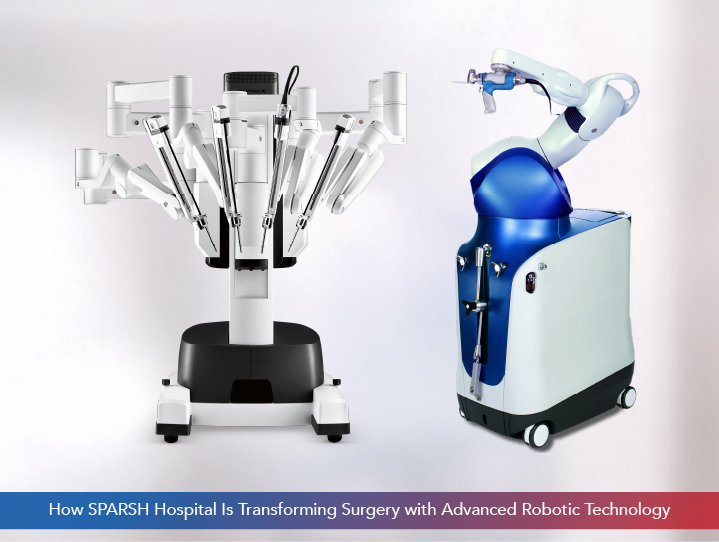
Robotic systems extend the surgeon’s precision. Seated at a control console, the surgeon manipulates arms that perform the actual operation. The system filters out natural hand tremors and enables precise movement in tight or delicate spaces. Some systems also allow advanced control features that enhance surgical precision. These systems are often seen in advanced minimally invasive surgery, particularly in urology, gynaecology, and cardiac surgery.
In certain procedures, tools and cameras are introduced through natural openings such as the mouth, nose, or urinary tract. This eliminates the need for any skin incisions. While the method is limited to specific conditions, it exemplifies how surgical access can be further minimised.
Endovascular techniques are used to access internal blood vessels. Surgeons insert a catheter through a small puncture, typically in the groin or arm, to reach target areas. It is commonly used in vascular repairs and offers a safer alternative to open vascular operations. Each technique serves a specific purpose, but all share the goal of reducing surgical trauma and supporting recovery.
Minimally invasive surgery offers several established advantages that may improve comfort, recovery, and overall surgical outcomes. While many benefits are well supported, suitability varies based on individual medical needs and clinical context.
One of the most visible benefits is reduced scarring. Smaller entry points tend to heal faster and leave minimal marks. For many patients, particularly when surgery involves visible or sensitive areas, this can be an important consideration.
Because surrounding tissues are disturbed less, patients often experience less postoperative pain. This may also reduce the need for pain medication. Recovery time is usually shorter, allowing a quicker return to daily activities.
This advantage is commonly observed across general and specialised surgical procedures, and many hospitals highlight it when discussing postoperative expectations.
Smaller wounds are generally less likely to develop infections. Reducing internal exposure during surgery also reduces the risk of contamination. This benefit may be particularly relevant for immunocompromised patients or those with existing medical conditions.
Modern surgical platforms provide magnified, high-definition views of internal anatomy. In robotic-assisted procedures, fine movements are scaled and stabilised, offering enhanced accuracy during complex operations. This precision is especially valuable when working with delicate tissues or narrow anatomical spaces.
Many patients undergoing minimally invasive surgery may be discharged on the same day or within 24 to 48 hours. In contrast, patients undergoing open surgery often require longer hospital stays. Shorter admissions support faster transition to home recovery and may also reduce overall healthcare resource use.
While the advantages of minimally invasive surgery are significant, not every patient is an ideal candidate. Emergency situations, uncontrolled bleeding, or widespread internal disease may require traditional open procedures.
Surgical teams carefully assess these factors before proceeding. This evaluation is an essential part of responsible care and supports appropriate decision-making for each individual.
Advanced surgical tools do not replace clinical judgement. Minimally invasive surgery involves a learning curve, and surgeons must be trained to manage complex anatomy, recognise complications early, and convert to open surgery when necessary.
Minimally invasive surgery has transformed modern surgical care by prioritising precision, safety, and recovery. By reducing tissue trauma, these techniques often allow patients to experience less pain, smaller scars, and a quicker return to daily activities.
However, minimally invasive approaches are not suitable for every condition or individual, and careful evaluation remains essential. When used appropriately and performed by trained specialists, minimally invasive surgery offers an effective, patient-centred option for many surgical procedures.
Those exploring treatment options may speak with a minimally invasive surgeon in Bangalore or their local care team to determine the best course of action for their condition.
Minimally invasive surgery is considered safe when performed by experienced surgeons, and it may reduce certain risks compared to open surgery. Smaller incisions, better visual control, and reduced tissue handling significantly lower risks. However, it is imperative that surgeons prioritise assessing individual health status before proceeding with the surgical procedure.
Minimally invasive surgery is chosen based on several factors, including the type and stage of the condition, the area being treated, and the patient’s overall health. Doctors also consider anatomical factors, prior surgeries, and whether the procedure can be performed safely using specialised instruments. After a detailed evaluation, the surgical team recommends the approach that offers the best balance of safety, effectiveness, and recovery.
Recovery time after minimally invasive surgery varies from person to person. It depends on the type of procedure performed and the patient’s overall health. Most individuals recover within a few days to a few weeks, depending on surgical complexity, aftercare, and individual healing.
3 Mins Read
Categories: General Medicine












Benefits of Minimally Invasive Surgery is available for appointments. Please fill the below form to book an appointment.
Unlock the door to exceptional healthcare, book an appointment with SPARSH Hospital and let your journey to wellness begin.
Copyright © 2026 SPARSH Hospital, A Unit of Shiva & Shiva Orthopaedic Hospital Pvt Ltd.