Published in : ENT | April 9, 2026 |
 Medically Reviewed
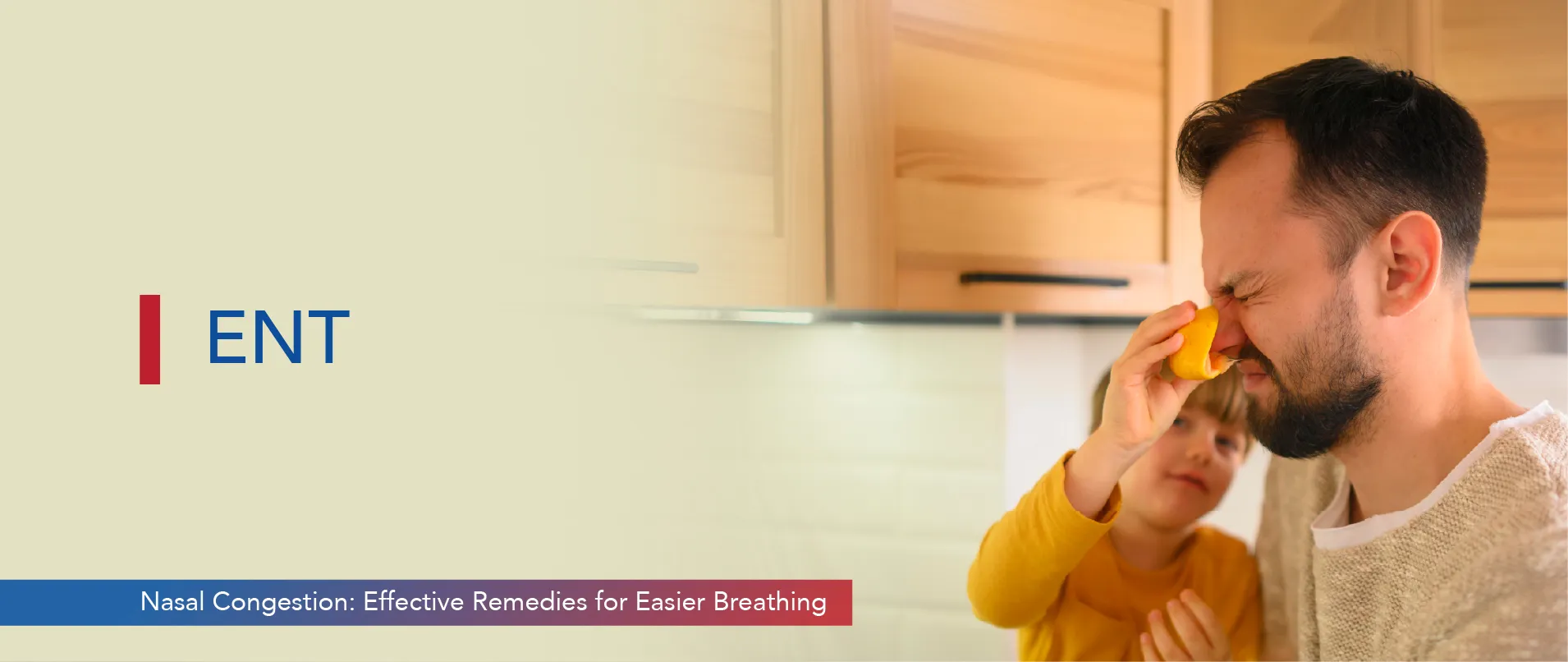
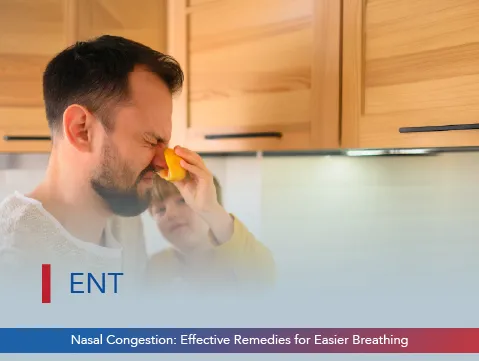
Most people have experienced the discomfort of a blocked or stuffy nose at some point. Whether it’s caused by a cold, allergies, or sinus irritation, nasal congestion can interfere with breathing, sleep, concentration, and overall comfort. The irritation triggers a chain reaction of inflammation, swelling, and mucus production, making it hard to breathe through your nose. While it is often temporary, recurring or persistent congestion may signal an underlying issue that needs attention.
Understanding what causes a stuffy nose, how to manage it effectively, and when to seek medical care can make a significant difference. From simple lifestyle measures to targeted nasal congestion treatment, there are practical ways to relieve symptoms and restore comfortable breathing.
Nasal congestion occurs when the lining of the nasal passages becomes inflamed. Blood vessels expand; tissues swell, and mucus production increases. Together, these changes narrow the airway, creating a sensation of blockage. Contrary to popular belief, congestion is not always due solely to excess mucus. Inflammation plays an equally important role.
Congestion can affect one or both nostrils and may fluctuate throughout the day. In many cases, it is a protective response by the body to irritants or infections. However, when inflammation persists, breathing becomes difficult, and quality of life can suffer.
A blocked nose may seem minor, but ongoing congestion can lead to:
Children may experience feeding difficulties or disturbed sleep, while adults often report daytime tiredness and sinus pressure.
Colds and flu viruses inflame the nasal tissues, leading to swelling and mucus buildup. Symptoms typically resolve within a week but may linger in some individuals.
Allergic reactions trigger immune responses that lead to swelling, itching, sneezing, and chronic congestion. Dust mites, pollen, pet dander, and mould are common triggers.
When sinus passages become blocked, mucus accumulates, and bacteria may grow. It leads to facial pain, pressure, and persistent nasal obstruction.
A deviated nasal septum or nasal polyps can physically restrict airflow, resulting in long-term congestion that may require specialist evaluation.
Pollution, smoke, perfumes, and chemical fumes irritate nasal tissues and worsen swelling.
Alongside a blocked nose, individuals may notice:
Symptoms lasting more than 10–14 days or worsening over time should prompt medical consultation.
Effective treatment for nasal congestion depends on the underlying cause.
Medications
Medical Management: Chronic sinus infections, allergies, or structural issues may require prescription treatment or procedural intervention. Knowing how to cure a blocked nose involves addressing the root cause rather than relying solely on symptom relief.
Simple lifestyle measures can support healing and improve comfort. These home remedies for blocked nose and running nose symptoms work best when combined with medical advice.
Consult a specialist if you experience:
Persistent congestion may indicate chronic sinus disease, allergic rhinitis, or anatomical concerns requiring evaluation.
While nasal congestion and a stuffy nose are often temporary, persistent symptoms should not be ignored. Identifying the underlying cause of the nasal blockage, choosing appropriate nasal congestion treatment, and using safe b can provide meaningful relief. However, long-standing congestion may indicate sinus disease, allergies, or structural concerns that need expert care.
If symptoms continue or worsen, consulting experienced professionals is essential. At Sparsh Hospital, a trusted ENT Hospital in Bangalore, patients receive comprehensive evaluation and evidence-based treatment tailored to their needs. The team of ENT Specialists in Bangalore focuses on accurate diagnosis and long-term relief, helping patients breathe comfortably and regain quality of life.
Steam inhalation, saline sprays, warm fluids, and proper hydration can quickly loosen mucus and reduce swelling, offering temporary relief from nasal blockage.
Yes. Ongoing exposure to allergens can inflame nasal tissues, leading to chronic congestion that often requires medical treatment alongside lifestyle adjustments.
Seek medical advice if congestion lasts for more than 2 weeks, causes pain, or is accompanied by fever or thick discharge, as this may signal an infection or sinus complications.
Home remedies can ease symptoms, but persistent congestion may need medical evaluation to treat underlying infections, allergies, or structural nasal problems.
Yes. A blocked nose disrupts airflow, leading to mouth breathing, snoring, and poor sleep, which can impact daytime energy and concentration.
Categories: ENT













Nasal Congestion: Effective Remedies for Easier Breathing is available for appointments. Please fill the below form to book an appointment.
Unlock the door to exceptional healthcare, book an appointment with SPARSH Hospital and let your journey to wellness begin.
Copyright © 2026 SPARSH Hospital, A Unit of Shiva & Shiva Orthopaedic Hospital Pvt Ltd.