Published in : Women & Children | June 23, 2026 |
 Medically Reviewed
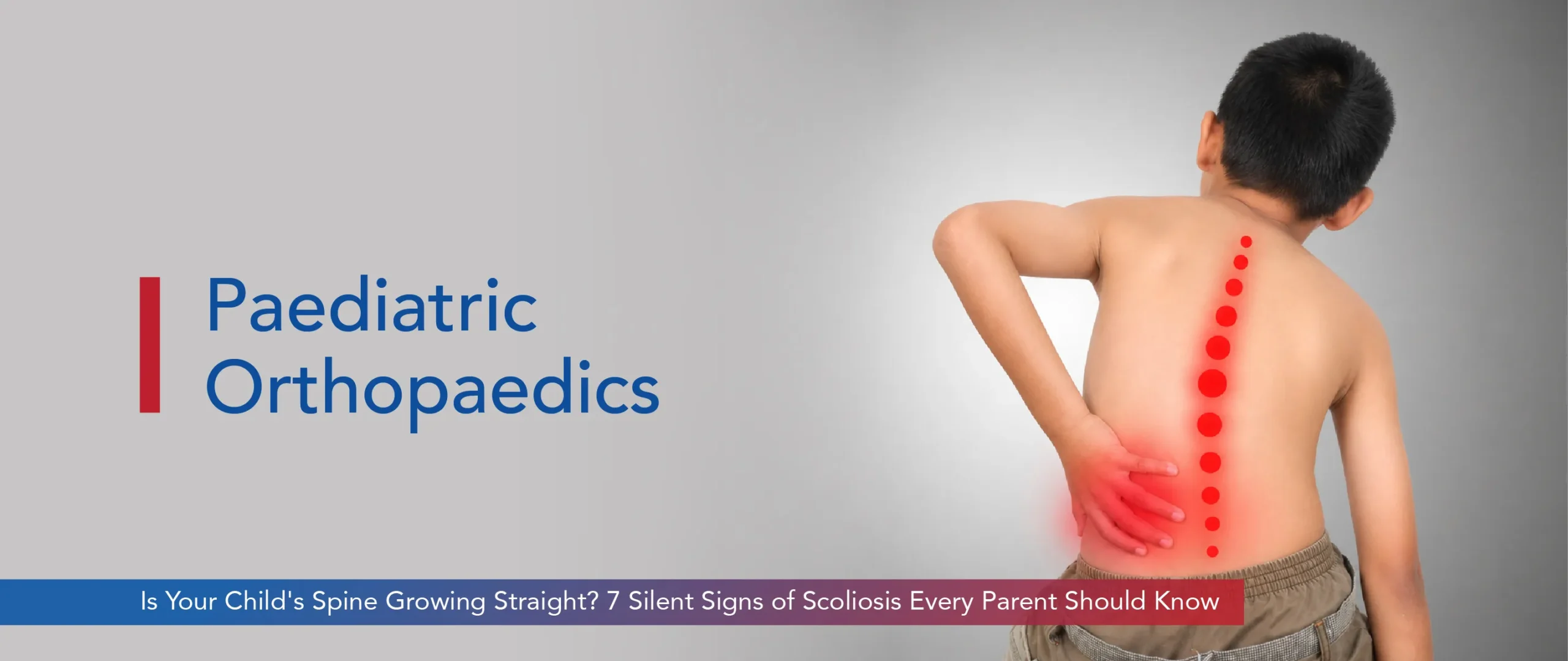
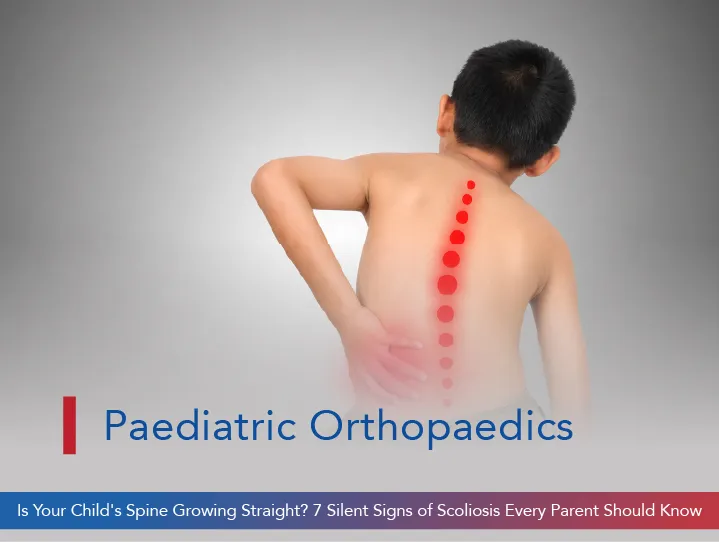
Your child may be growing taller every day, but is their spine growing straight?
During periods of rapid growth, subtle changes in posture can sometimes signal an underlying spinal condition known as scoliosis. Because it rarely causes pain in its early stages, many children continue their daily activities without anyone realising that their spine is gradually curving.
This World Scoliosis Awareness Month, take a moment to learn about the early signs of scoliosis and why timely detection can play an important role in protecting your child’s long-term spinal health.
If you’ve ever wondered what scoliosis is, it is a condition in which the spine develops an abnormal sideways curve. Instead of appearing straight when viewed from behind, the spine may curve into an “S” or “C” shape.
It most commonly develops during the adolescent growth spurt, typically between the ages of 10 and 18. While many cases remain mild, some curves can progress as a child grows, potentially affecting posture, appearance, physical function, and, in severe cases, lung function and overall quality of life.
There are different types of scoliosis, with Adolescent Idiopathic Scoliosis being the most common form for children and teenagers. Other forms include congenital scoliosis, which is present at birth, and neuromuscular scoliosis, which may develop due to underlying neurological or muscular conditions.
The encouraging news is that early detection and appropriate scoliosis treatment can help manage the condition effectively.
Unlike many childhood health conditions, scoliosis frequently develops without pain. Children often continue attending school, playing sports, and participating in everyday activities without experiencing significant symptoms. Because there are usually no complaints, parents may only notice the condition once visible changes in posture begin to appear.
Many mild scoliosis symptoms can be easy to miss and may initially appear as simple posture changes. This is why awareness and routine observation are important.
You do not need medical training to spot potential warning signs. A simple observation of your child’s posture may help identify scoliosis symptoms in children at an early stage.
One shoulder appears noticeably higher than the other.
One shoulder blade appears more prominent than the other.
The waist may appear asymmetrical, with one side showing a deeper curve.
The pelvis may appear tilted, making one hip look higher.
The body may appear to lean or shift slightly to one side rather than remaining centred.
Shirts, dresses, or trousers may hang unevenly despite being the correct size.
One side of the back or rib cage may appear higher than the other when bending forward.
If you notice any of these changes, it is worth seeking a professional assessment.
One of the simplest screening methods for scoliosis is the Adam’s Forward Bend Test.
Ask your child to:
Then observe their back from behind.
If one side of the rib cage or back appears higher than the other, further evaluation by a healthcare professional may be recommended.
While this test cannot diagnose scoliosis, it can help identify children who may benefit from specialist assessment.
Although these habits may not prevent scoliosis itself, they can contribute to overall spinal and musculoskeletal health.
Encourage activities such as:
Strong muscles help support posture, flexibility, and overall physical fitness.
Spending long hours hunched over smartphones, tablets, or laptops can contribute to poor posture and muscular fatigue.
Encourage regular movement breaks and healthy sitting habits throughout the day.
A backpack should:
Regular health assessments provide opportunities for the early identification of spinal abnormalities during periods of growth.
Seek medical evaluation if you notice:
Early assessment is quick, safe, and often provides reassurance for both parents and children.
If you have concerns about your child’s posture or spinal alignment, consulting a spine specialist can help determine whether further evaluation is needed.
As children grow, even small changes in posture can sometimes indicate more than just a temporary growth phase. While scoliosis cannot always be prevented, delayed diagnosis often can. Recognising scoliosis symptoms early and seeking timely medical advice can help children receive appropriate monitoring and scoliosis treatment when needed.
If you notice any signs of spinal asymmetry or have concerns about your child’s posture, consulting specialists at a Paediatric Orthopaedics Hospital in Bangalore can help ensure timely evaluation and personalised care. With guidance from an experienced Orthopaedics Doctor in Bangalore, children with scoliosis can receive the support they need to maintain an active, healthy, and confident future.
Scoliosis is a condition in which the spine develops an abnormal sideways curve, often appearing as an “S” or “C” shape. It most commonly develops during adolescence and may vary from mild to severe.
Early signs may include uneven shoulders, hips, or waistline; a prominent shoulder blade; a leaning posture; or a visible hump on one side of the back when bending forward. These are among the most common scoliosis symptoms seen in children.
Many children with scoliosis do not experience discomfort during the early stages. However, scoliosis pain symptoms may occur in some adolescents and adults, particularly if the spinal curve becomes more severe or affects posture and muscle balance.
Parents often ask how to treat scoliosis. Treatment depends on the child’s age, the type of scoliosis, and the severity of the curve. Options may include observation, physiotherapy, bracing, or surgery in more advanced cases.
Categories: Women & Children




Is Your Child's Spine Growing Straight? 7 Silent Signs of Scoliosis Every Parent Should Know is available for appointments. Please fill the below form to book an appointment.
Unlock the door to exceptional healthcare, book an appointment with SPARSH Hospital and let your journey to wellness begin.
Copyright © 2026 SPARSH Hospital, A Unit of Shiva & Shiva Orthopaedic Hospital Pvt Ltd.






 Live Chat