Published in : Women & Children | June 13, 2026 |
 Medically Reviewed
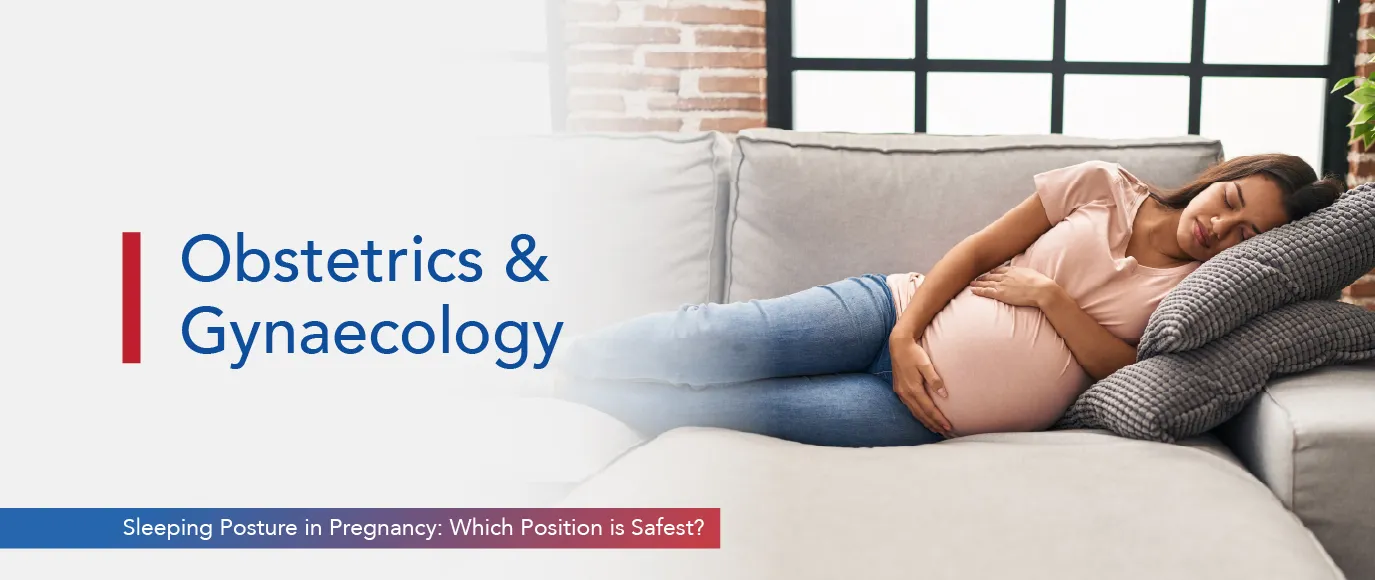
Have you been struggling to find a comfortable sleeping position as your pregnancy progresses? You are not alone. Studies suggest that nearly 70–80% of pregnant women experience sleep disturbances, especially during the second and third trimesters. As the body changes, even simple activities like sleeping can become challenging.
Choosing the right sleeping posture in pregnancy is not just about comfort. It also plays an important role in supporting circulation, reducing pressure on vital organs, and ensuring the well-being of both mother and baby. Therefore, understanding safe and effective sleep positions during pregnancy is essential for better rest and overall health.
This blog explains the safest sleeping positions, factors that influence sleep, and practical tips to improve sleep quality during pregnancy.
As pregnancy progresses, several physical and hormonal changes affect sleep patterns. The growing uterus places pressure on the spine, abdomen, and internal organs, making certain positions uncomfortable.
Additionally, hormonal changes can lead to increased fatigue, frequent urination, and disrupted sleep cycles. These factors influence the preferred sleeping style in pregnancy and may vary from one trimester to another.
Weight gain and changes in posture also affect spinal alignment, which can lead to back pain if the wrong sleeping position is adopted. Therefore, adjusting your sleeping position as your body changes becomes necessary during pregnancy.
Moreover, conditions such as heartburn, leg cramps, and shortness of breath can further impact sleep. Hence, choosing safe sleep positions during pregnancy can help reduce these discomforts and improve overall sleep quality.
Improving sleep during pregnancy requires a combination of the right position and healthy habits. Small changes in routine can make a significant difference.
Using pillows for support is one of the most effective ways to improve comfort. Placing a pillow between the knees or under the abdomen helps maintain proper alignment and reduces strain.
Maintaining a consistent sleep schedule also supports better rest. Going to bed and waking up at the same time each day helps regulate the body’s internal clock.
Additionally, creating a calm sleep environment can promote relaxation. Keeping the room cool, reducing screen time before bed, and practising relaxation techniques can improve sleep quality.
Hydration is important, but it is advisable to limit fluid intake close to bedtime to reduce nighttime awakening. Therefore, combining these practices with the right sleep positions during pregnancy can lead to more restful sleep.
One of the most common questions expectant mothers ask is, what are the best positions to sleep in while pregnant. Medical experts generally recommend sleeping on the side rather than on the back or stomach.
Sleeping on the left side is often considered the most beneficial position during pregnancy. It improves blood flow to the placenta and ensures better oxygen and nutrient supply to the baby.
This position also helps reduce pressure on the liver and improves kidney function, which can minimise swelling in the hands and feet. Therefore, many doctors recommend the left side as the ideal sleeping position for pregnant women.
Many women also ask, is it safe to sleep on the right side? The answer is yes, in most cases. While the left side is preferred, sleeping on the right side is generally safe and can still provide adequate circulation.
However, it may not offer the same level of benefit as the left side. Hence, alternating between sides can be a practical approach for comfort and flexibility.
Sleeping on one’s back is usually discouraged, especially after the first trimester. This position can compress major blood vessels, reduce blood flow, and potentially cause discomfort or dizziness.
Sleeping on the stomach becomes uncomfortable and impractical as pregnancy progresses. Therefore, side sleeping remains the safest and most recommended approach.
Understanding which side is best to sleep on when pregnant helps in making informed choices for both comfort and safety.
Pregnancy often brings specific sleep-related challenges that can be managed with simple adjustments.
Back pain can be reduced by maintaining proper alignment and using supportive pillows. Leg cramps may be eased by stretching before bedtime and staying hydrated.
Frequent urination is common, especially in later stages. Reducing fluid intake before bedtime can help minimise interruptions.
Anxiety or restlessness may also affect sleep. Practising relaxation techniques such as deep breathing or gentle prenatal yoga can improve sleep quality.
Hence, addressing these challenges and adopting the right sleeping posture during pregnancy can significantly enhance rest.
Consistency is key to improving sleep during pregnancy. Developing a regular bedtime routine helps signal the body that it is time to rest.
Avoiding heavy meals close to bedtime and limiting caffeine intake can also support better sleep. Additionally, staying physically active during the day can improve nighttime rest.
Therefore, combining healthy habits with the right sleeping style in pregnancy contributes to overall well-being.
Choosing the right sleeping posture in pregnancy is essential for both comfort and health. Understanding the safest sleeping position for pregnant women, exploring different sleep positions during pregnancy, and knowing the best positions to sleep while pregnant can help improve sleep quality.
If you are wondering which side is best to sleep on when pregnant or asking whether it’s safe to sleep on the right side while pregnant, remember that side sleeping, especially on the left, is generally recommended. Exploring different ways to sleep when pregnant and following safe pregnancy sleeping positions can make a significant difference.
At Sparsh Hospital, a leading Obstetrics & Gynaecology Hospital in Bangalore, expert care is available to support every stage of pregnancy. Consulting an experienced Gynaecologist in Bangalore ensures personalised guidance for a safe and comfortable pregnancy journey.
Sleeping on the side, particularly the left side, is considered the safest sleeping posture in pregnancy as it improves blood flow to the baby.
Yes, sleeping on the right side is generally safe, although the left side is preferred for better circulation and reduced pressure on organs.
Sleeping on your back is not recommended after the first trimester as it can reduce blood flow and cause discomfort.
Using supportive pillows, maintaining a consistent routine, and choosing safe sleep positions can help improve sleep quality during pregnancy.
Hormonal changes, physical discomfort, frequent urination, and anxiety are common reasons for sleep disturbances during pregnancy.
3 Mins Read
Categories: Women & Children












Sleeping Posture in Pregnancy: Which Position is Safest? is available for appointments. Please fill the below form to book an appointment.
Unlock the door to exceptional healthcare, book an appointment with SPARSH Hospital and let your journey to wellness begin.
Copyright © 2026 SPARSH Hospital, A Unit of Shiva & Shiva Orthopaedic Hospital Pvt Ltd.






 Live Chat