Published in : Women & Children | July 16, 2026 |
 Medically Reviewed
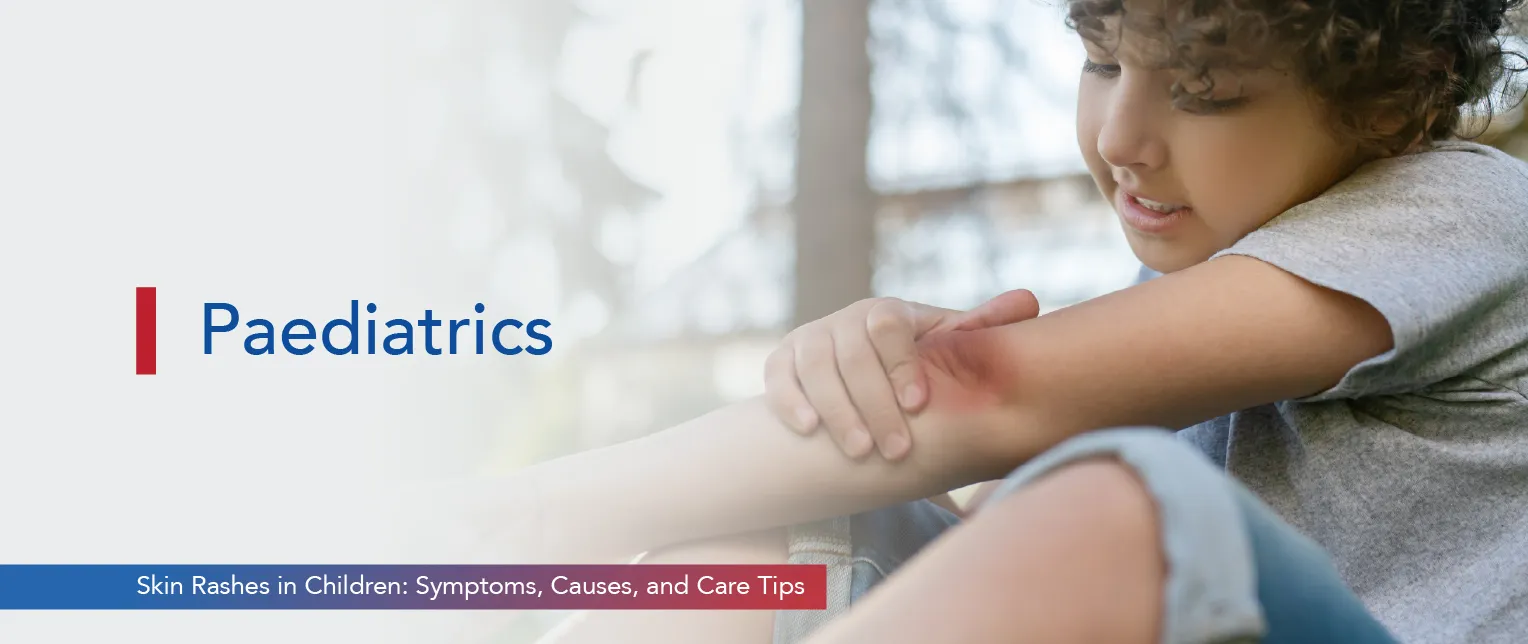
Have you noticed unexplained rashes on your child’s skin and wondered whether it is a simple allergy or something that needs medical attention? Skin conditions are extremely common in children, especially during infancy and early childhood.
Studies suggest that nearly 20–30% of children experience some form of skin allergy or rash during their growing years. While many skin rashes in children are mild and temporary, some may indicate infections, allergies, or underlying health conditions that require proper treatment. Understanding the causes, symptoms, and care tips can help parents respond early and protect their child’s skin health.
A skin rash refers to changes in the skin’s colour, texture, or appearance. Rashes may appear as red patches, bumps, dry skin, blisters, or itchy spots.
Skin rashes in children can affect any part of the body and may vary from mild irritation to more widespread inflammation. Some rashes disappear quickly, while others may persist or recur frequently.
There are several common skin rashes in children that parents should be aware of.
Eczema is one of the most common skin problems for kids. It causes dry, itchy, and inflamed skin, especially around the cheeks, elbows, and knees.
Heat rash develops when sweat glands become blocked, particularly during hot or humid weather. It often appears like small, itchy red dots on the skin.
A child’s skin allergy may occur after exposure to foods, soaps, dust, medicines, or fabrics. Allergic reactions can cause redness, itching, or swelling.
Several viral infections can cause rashes in various parts of the body, along with fever or cold symptoms.
Infants commonly develop diaper rash due to prolonged moisture and friction around the diaper area.
Fungal infections such as ringworm may cause circular, itchy skin rash patches.
Skin allergies in kids may occur due to several environmental or medical factors.
Common causes include:
Some children may also have more sensitive skin, making them prone to repeated rashes.
The symptoms may vary depending on the cause of the skin rash.
Common symptoms include:
Parents should observe whether the rash spreads quickly and whether it is associated with other symptoms, such as breathing difficulty or swelling.
Although many rashes improve with simple care, some situations require immediate medical attention.
You should consult a doctor if:
Early diagnosis helps prevent complications and ensures appropriate treatment.
Doctors usually diagnose skin problems in kids through a physical examination and an evaluation of medical history.
In certain cases, additional tests may include:
Identifying the exact cause helps guide the most effective treatment approach.
Proper skin care can help relieve symptoms and prevent worsening irritation.
Gentle cleansing and keeping the affected area dry may help reduce irritation and the risk of infection.
Scratching can worsen inflammation and increase the risk of skin infection. Keeping nails trimmed may help.
Avoid harsh soaps, perfumes, or other chemical-based products that may trigger the child’s skin allergies.
Loose cotton clothing helps reduce sweating and skin irritation.
Proper hydration supports healthy skin function and recovery.
If certain foods, fabrics, or environmental triggers to worsen symptoms, limiting exposure may help prevent recurrence.
Treatment depends on the cause and severity of the condition.
Doctors may recommend soothing creams or moisturisers for dry and itchy skin.
These medicines may help relieve allergy-induced itching.
Infections may require appropriate medications.
Short-term steroid creams may help reduce severe inflammation under medical supervision.
Identifying and avoiding allergens is important for preventing recurring skin allergies in kids.
Parents should avoid self-medication without proper medical advice, especially in infants and younger children.
Medical consultation is important if your child experiences:
Early treatment helps reduce discomfort and prevent worsening symptoms.
Skin rashes in children are common and may occur due to allergies, infections, heat, or skin sensitivity. Recognising symptoms early and understanding common skin problems in kids can help parents seek timely medical care. While many cases improve with proper hygiene and home care, persistent skin rash symptoms, child skin allergy reactions, or widespread rashes on body areas should never be ignored.
Providing gentle skin care, avoiding triggers, and following medical advice can help improve recovery and prevent recurrence. Parents concerned about skin allergies in kids or small red dots on the skin that itch should seek expert care from a trusted Paediatric Hospital in Bangalore. Consulting experienced Paediatricians in Bangalore can help ensure accurate diagnosis, effective treatment, and better skin health for children.
Common skin rashes in children include eczema, heat rash, allergic rashes, diaper rash, fungal infections, and viral skin eruptions.
Skin allergies in kids may develop due to food allergies, soaps, dust, insect bites, medications, or environmental irritants.
Not always. Small, itchy red spots may be due to heat rash or allergies, but persistent symptoms should be medically evaluated.
Keeping the skin clean, avoiding allergens, using mild skincare products, and preventing scratching can help manage mild skin rashes.
Consult a doctor if the rash spreads quickly, causes fever, breathing difficulty, severe itching, pain, or does not improve within a few days.
Categories: Women & Children





Skin Rashes in Children: Symptoms, Causes, and Care Tips is available for appointments. Please fill the below form to book an appointment.
Unlock the door to exceptional healthcare, book an appointment with SPARSH Hospital and let your journey to wellness begin.
Copyright © 2026 SPARSH Hospital, A Unit of Shiva & Shiva Orthopaedic Hospital Pvt Ltd.






 Live Chat