Published in : Cardiac Sciences | April 9, 2026 |
 Medically Reviewed
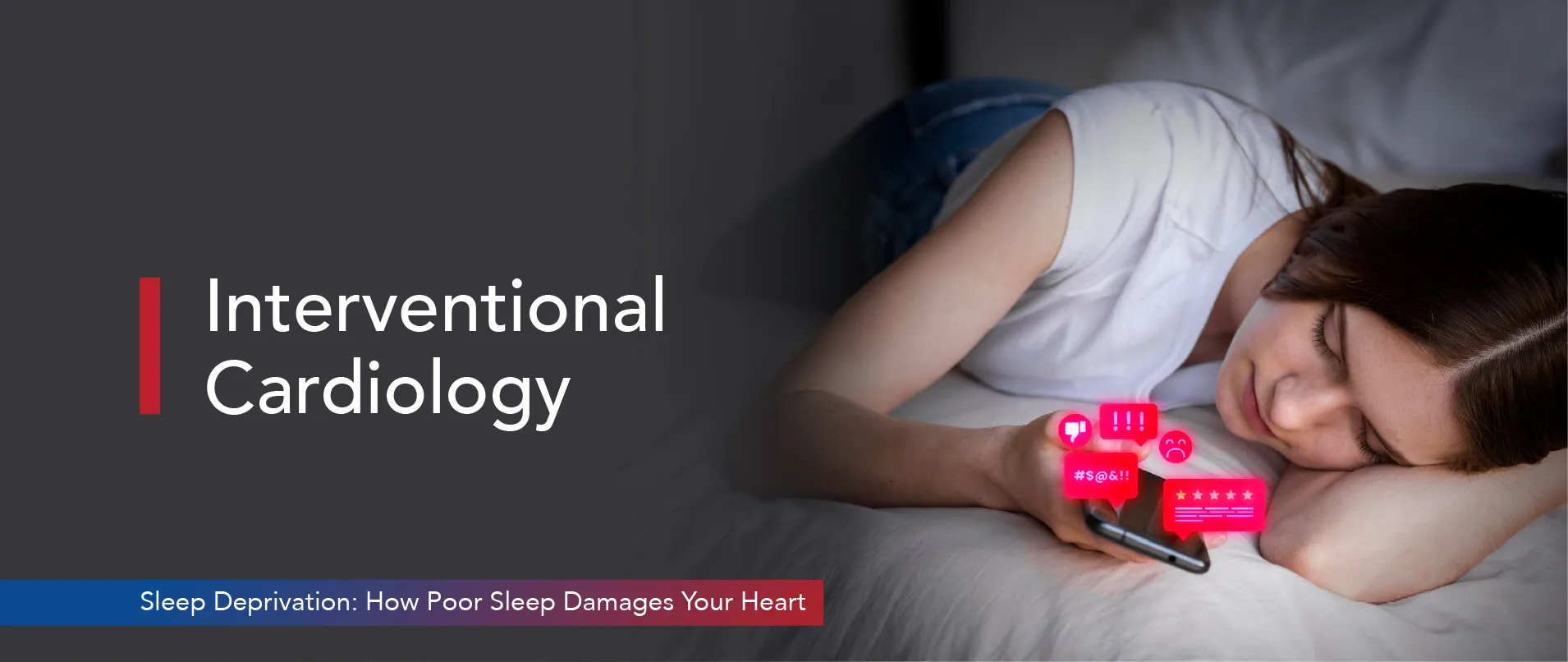
You can feel the effects of a bad night’s sleep almost immediately, heavy eyes, slow thinking, low energy. What you can’t feel is the silent strain it places on your heart.
Sleep deprivation is not just an inconvenience of modern life; it is a physiological stressor that forces your cardiovascular system to work harder than it should. When sleep becomes consistently inadequate, the body remains in a heightened stress state, blood pressure rises, inflammation increases, and the heart loses the restorative downtime it depends on functioning efficiently.
The growing scale of sleep problems reflects how widespread this issue has become. A recent study reported an alarming 27.3% prevalence of sleep disorders, with 21.2% of men and 33.2% of women experiencing some form of disturbed sleep. Research further shows that adults who routinely sleep less than 6 hours per night face a significantly higher risk of developing heart disease, hypertension, and stroke. Chronic lack of sleep is now recognised as a major lifestyle factor influencing cardiovascular health worldwide.
Understanding what sleep deprivation is, along with its symptoms, causes, and long-term effects, is no longer just about improving energy levels; it is about protecting one of the most vital systems in your body. When sleep suffers, your heart pays the price, often silently, until warning signs appear.
Sleep deprivation occurs when a person consistently gets less sleep or poorer quality sleep than the body requires recovery and regulation. Adults typically need 7–9 hours of uninterrupted sleep to maintain optimal physical and cardiovascular health.
During healthy sleep, the body cycles through restorative phases that regulate hormones, repair tissues, stabilise heart rhythm, and allow blood pressure to fall naturally. When this process is repeatedly disrupted, the body loses its recovery window. Over time, sleep deprivation effects extend beyond fatigue and begin influencing metabolic balance, immune function, and cardiovascular resilience.
Common symptoms of sleep deprivation include persistent tiredness, irritability, poor concentration, slowed reflexes, and mood disturbances. While these signs may seem manageable day to day, chronic sleep loss gradually increases physiological stress, creating an environment where cardiovascular strain becomes inevitable.
Understanding the causes of sleep deprivation helps address it at its source. Modern lifestyles often prioritise productivity over rest, leading to chronic sleep restrictions.
Common contributors include:
These habits contribute to the side effects of late-night sleep, which extend far beyond daytime fatigue. Poor sleep disrupts circadian rhythm, the internal clock that regulates hormone release and cardiovascular function. When this rhythm becomes misaligned, the body experiences increased stress hormone production, impaired glucose metabolism, and heightened sympathetic nervous system activity.
In simple terms, the body remains in a “fight-or-flight” state longer than it should, placing sustained pressure on the heart and blood vessels.
The heart relies on sleep as a recovery period. Without it, several harmful processes begin to unfold simultaneously.
Sleep normally allows blood pressure to dip, a protective mechanism known as nocturnal dipping. Chronic lack of sleep prevents this drop, leading to sustained hypertension. Elevated blood pressure forces the heart to pump harder, increasing long-term cardiovascular risk.
Research indicates that adults sleeping fewer than 6 hours nightly are up to 30% more likely to develop hypertension.
Sleep deprivation increases circulating levels of inflammatory markers. Persistent inflammation accelerates plaque formation in arteries, raising the risk of coronary artery disease. This process reduces blood flow to the heart and increases the likelihood of cardiac events.
Disrupted sleep disrupts the balance of the autonomic nervous system, which regulates heart rhythm and circulation. Over time, this imbalance increases vulnerability to heart attack and stroke. Studies link chronic sleep loss with a 45–50% higher risk of cardiovascular events in susceptible individuals.
Sleep deprivation disrupts glucose regulation and the secretion of appetite hormones. The resulting insulin resistance increases the risk of type 2 diabetes, a major contributor to heart disease. This metabolic strain compounds cardiovascular risk over time.
Even individuals who spend adequate time in bed may suffer cardiovascular consequences if sleep quality is poor. Less sleep, repeated awakenings, or breathing interruptions prevent the body from entering restorative phases.
Conditions such as obstructive sleep apnea repeatedly reduce oxygen levels during sleep. It forces the heart to compensate, increase blood pressure, and the risk of arrhythmias. Addressing sleep quality is therefore essential for achieving sufficient sleep duration.
Improving sleep habits offers measurable cardiovascular benefits. Evidence-based strategies include:
Early intervention restores sleep patterns, reduces stress hormone activity, and supports heart health. Over time, improved sleep contributes to better blood pressure control, metabolic balance, and overall cardiovascular resilience.
Sleep deprivation is far more than feeling tired; it is an ongoing physiological stressor that silently burdens your heart. Persistent lack of sleep disrupts blood pressure regulation, fuels inflammation, and increases the risk of serious cardiovascular disease. Recognising the symptoms of sleep deprivation, understanding its effects, and prioritising restorative sleep are essential steps toward protecting long-term heart health.
At Sparsh Hospital, heart care extends beyond clinical treatment to include lifestyle factors that profoundly influence cardiovascular wellbeing. Patients receive an integrated evaluation guided by some of the Best Cardiologists in Bangalore, supported by advanced expertise at the best interventional cardiology hospital in Bangalore.
Sleep deprivation symptoms include fatigue, irritability, reduced concentration, slowed reaction time, and mood changes. Chronic sleep loss can also disrupt cardiovascular regulation, increasing the long-term risk of heart disease and metabolic imbalance.
Yes. Persistent sleep deprivation elevates blood pressure, inflammation, and stress hormones, all of which strain the cardiovascular system. Over time, this significantly raises the likelihood of heart disease, stroke, and related complications.
Most adults require 7–9 hours of high-quality sleep each night. Consistently sleeping fewer than 6 hours is associated with higher cardiovascular risk, including hypertension and coronary artery disease.
Many side effects improve when healthy sleep habits are restored. Better sleep supports hormone balance, reduces stress, improves blood pressure control, and strengthens cardiovascular health when addressed early.
Categories: Cardiac Sciences







Sleep Deprivation: How Poor Sleep Damages Your Heart is available for appointments. Please fill the below form to book an appointment.
Unlock the door to exceptional healthcare, book an appointment with SPARSH Hospital and let your journey to wellness begin.
Copyright © 2026 SPARSH Hospital, A Unit of Shiva & Shiva Orthopaedic Hospital Pvt Ltd.