Published in : Obstetrics and Gynaecology | May 19, 2026 |
 Medically Reviewed
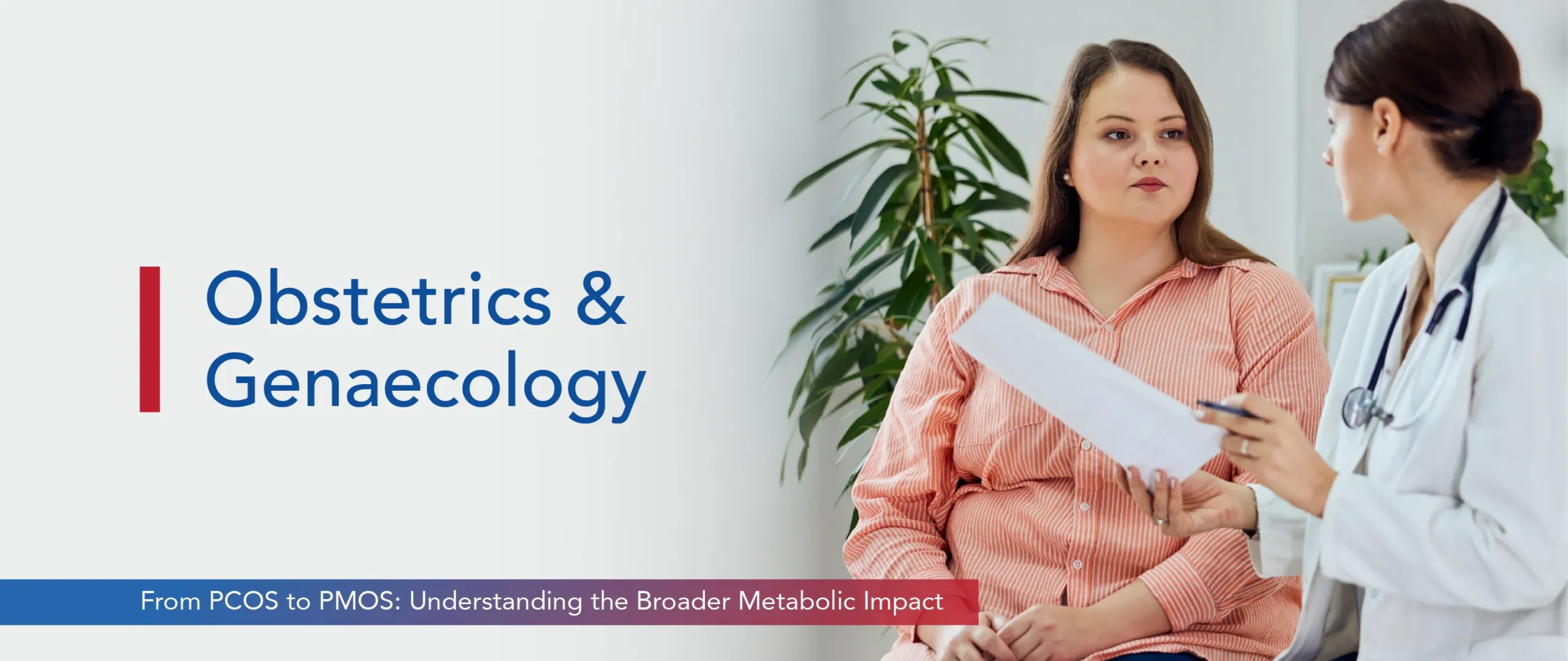
For years, PCOS was largely seen as a reproductive condition associated with irregular periods, acne, weight gain, and fertility concerns. Over time, however, doctors and researchers have recognised that it is far more than an ovarian disorder. Today, women’s hormonal health is increasingly being understood through a broader metabolic and endocrine lens.
This term is now called PMOS, or Polyendocrine Metabolic Ovarian Syndrome. The shift highlights that hormonal imbalance does not affect only the ovaries, but multiple systems throughout the body simultaneously.
Therefore, conversations around women’s health are now focusing more on reproductive symptoms but also on metabolism, insulin resistance, inflammation, stress hormones, and long-term lifestyle-related diseases.
Many people now ask what PMOS is, and how it differs from traditional PCOS. PMOS, or Polyendocrine Metabolic Ovarian Syndrome, is considered a broader understanding of hormonal imbalance in women.
The term “polyendocrine” reflects the involvement of multiple hormone-producing glands and systems in the body. Metabolism refers to the impact on insulin sensitivity, fat storage, inflammation, and energy regulation. “Ovarian syndrome” acknowledges that ovarian dysfunction and reproductive symptoms remain central to the condition.
In simple terms, PMOS recognises that hormonal imbalance is interconnected with the body’s overall metabolic health.
The discussion around PCOS vs PMOS is becoming increasingly relevant in modern women’s healthcare. Traditionally, PCOS was identified mainly through symptoms such as:
However, doctors now understand that the condition extends beyond the ovaries. Women with PCOS often experience:
This broader metabolic involvement is why many experts now use the term PMOS to reflect the condition better.
One of the major reasons why PCOS is now called PMOS is because the condition is no longer viewed as an isolated reproductive disorder. Instead, it is increasingly recognised as a PCOS endocrine disorder and a PCOS metabolic disorder affecting the entire body.
Modern lifestyle factors play a major role in worsening hormonal imbalance. Chronic stress, sedentary lifestyles, processed food consumption, sleep deprivation, and emotional burnout significantly affect hormonal and metabolic function.
Additionally, women today often function under constant stress, which increases cortisol levels for prolonged periods. Elevated stress hormones contribute to:
Therefore, the condition is now viewed through a more complete endocrine and metabolic framework.
The symptoms of PMOS may develop gradually, making it easier to overlook for years. Many women normalise fatigue, irregular cycles, or weight changes without recognising the underlying hormonal imbalance.
Common PMOS symptoms include:
Additionally, many women silently struggle with low self-esteem, body image concerns, anxiety, and emotional stress associated with hormonal imbalance.
Several lifestyle and biological factors contribute to PMOS causes. While genetics may increase susceptibility, lifestyle-related triggers often worsen symptoms significantly.
Some common causes and contributing factors include:
These factors affect the endocrine system and metabolic function simultaneously, which is why PMOS is considered a whole-body condition rather than only an ovarian disorder.
Although every woman experiences hormonal imbalance differently, doctors often recognise different types of PMOS based on dominant symptoms and underlying causes.
These may include:
This is one of the most common forms and is strongly associated with weight gain, sugar cravings, and metabolic dysfunction.
Women may experience chronic inflammation, fatigue, skin issues, and digestive symptoms.
Chronic stress and elevated cortisol levels significantly disrupt hormonal balance and ovulation.
Some women develop a temporary hormonal imbalance after discontinuing oral contraceptive pills. It is important to understand the underlying type as it helps doctors personalise treatment approaches more effectively.
The connection between insulin resistance and PCOS is one of the most important aspects of hormonal health today. Insulin is the hormone responsible for moving sugar from the bloodstream into the body’s cells for energy.
When the body becomes resistant to insulin, the pancreas produces higher amounts to compensate. Elevated insulin levels then stimulate the ovaries to produce excess androgens, or male hormones. This contributes to symptoms such as:
However, insulin resistance affects more than reproductive health. It also increases the risk of:
Therefore, addressing insulin resistance is often central to managing both PMOS and PCOS effectively.
The PMOS approach encourages doctors to evaluate women’s health more comprehensively, rather than focusing solely on menstrual symptoms.
A broader evaluation may include:
It allows treatment to become more personalised and preventive, rather than solely symptom focused.
Lifestyle correction remains one of the most effective ways to improve hormonal and metabolic balance. The goal is sustainability rather than extreme dieting or temporary routines.
Helpful strategies may include:
Simple activities such as walking, yoga, cycling, and strength training can significantly improve insulin sensitivity and hormonal regulation over time.
Hormonal imbalance also affects emotional well-being. Many women with PMOS experience anxiety, low confidence, emotional exhaustion, and social withdrawal.
Simply asking women to “lose weight” without understanding the deeper hormonal and metabolic imbalance may increase guilt and emotional distress. Therefore, supportive counselling, emotional validation, and mental health care are equally important components of treatment.
The growing shift from PCOS to PMOS reflects a deeper understanding of women’s hormonal and metabolic health. Understanding what PMOS is, recognising PMOS symptoms, identifying PMOS causes, and understanding the connection between insulin resistance and PCOS can help women seek earlier and more effective treatment.
The conversation around PCOS vs PMOS also highlights that this is no longer only a reproductive condition, but both a PCOS endocrine disorder and a PCOS metabolic disorder affecting the entire body.
At a trusted Obstetrics and Gynaecology Hospital in Bangalore, women can receive comprehensive hormonal evaluation and personalised treatment guidance.
Consulting experienced Gynaecologists in Bangalore helps ensure timely diagnosis, lifestyle support, and long-term management for hormonal and metabolic health concerns.
Yes, insulin resistance can worsen PMOS symptoms by increasing androgen levels, which may contribute to weight gain, irregular periods, acne, and metabolic complications.
PMOS management usually includes lifestyle changes, balanced nutrition, regular exercise, stress management, proper sleep, and medical treatment tailored to hormonal and metabolic health needs.
No, PMOS affects multiple systems in the body, including metabolism, insulin regulation, thyroid function, emotional health, and long-term cardiovascular health, beyond reproductive concerns alone.
Yes, women with normal body weight can also develop PMOS due to hormonal imbalance, insulin resistance, genetics, stress, inflammation, or underlying endocrine dysfunction.
Yes, PMOS can increase the risk of prediabetes and type 2 diabetes because insulin resistance commonly affects blood sugar regulation and metabolic health over time.
Categories: Obstetrics and Gynaecology





From PCOS to PMOS: Understanding the Broader Metabolic Impact is available for appointments. Please fill the below form to book an appointment.
Unlock the door to exceptional healthcare, book an appointment with SPARSH Hospital and let your journey to wellness begin.
Copyright © 2026 SPARSH Hospital, A Unit of Shiva & Shiva Orthopaedic Hospital Pvt Ltd.






 Live Chat