Published in : Obstetrics and Gynaecology | April 27, 2026 |
 Medically Reviewed
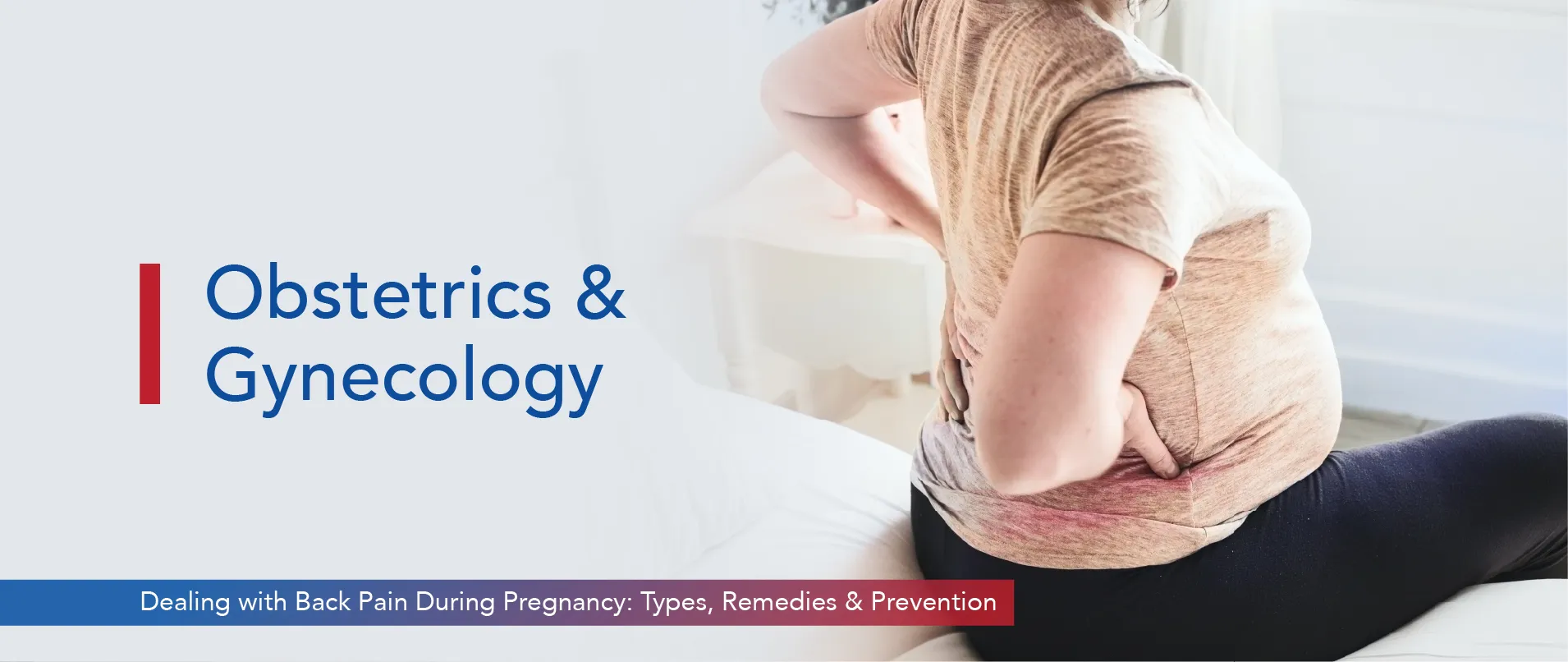
Did you know that nearly 50–70% of pregnant women experience back pain during pregnancy at some stage? While this discomfort is often considered a normal part of pregnancy, it can significantly affect daily activities, sleep quality, and overall wellbeing if not managed properly.
Back pain during pregnancy occurs due to a combination of physical, hormonal, and postural changes as the body adapts to support a growing baby. As pregnancy progresses, the spine and surrounding muscles undergo increased strain, making discomfort more noticeable, especially during the second trimester and beyond.
Understanding the causes of back pain during pregnancy and recognising early symptoms is therefore essential for effective management. With the right pregnancy back pain remedies and preventive strategies, most women can reduce discomfort and maintain a healthier, more comfortable pregnancy journey.
In this blog, we will discuss the different types of back pain, the causes of back pain during pregnancy, common symptoms, effective pregnancy back pain remedies, and preventive strategies to support safe and comfortable pregnancy.
Back pain during pregnancy is a common musculoskeletal concern that may vary in intensity and location. The discomfort can occur at any stage, though many women report symptoms during the second trimester and later.
Different kinds of back pain during pregnancy include:
Women may experience back pain during the second trimester of pregnancy as the body adjusts to increased weight and shifting posture. Similarly, lower back pain in the second trimester is particularly common due to increased strain on spinal structures.
Understanding these variations helps identify appropriate pregnancy-related back pain remedies and preventive measures.
Several physiological changes contribute to back pain during pregnancy. These changes are essential for supporting foetal development but may affect spinal stability.
Common causes of back pain during pregnancy include:
These factors explain why back pain in pregnancy is common, especially as pregnancy progresses. In some cases, severe back pain in early pregnancy may occur due to rapid hormonal changes and ligament relaxation.
Back pain during pregnancy can be present in different ways, depending on the underlying cause and stage of pregnancy.
Common symptoms include:
While most cases are mild, severe back pain during pregnancy should not be ignored. Additionally, severe back pain in early pregnancy or sudden onset of intense pain may require medical evaluation.
If symptoms are accompanied by fever, numbness, or vaginal bleeding, immediate consultation is recommended.
Managing back pain during pregnancy involves a combination of lifestyle adjustments, physical support, and medical guidance.
Effective pregnancy back pain remedies include:
Maintaining proper posture reduces strain on the spine and supports spinal alignment.
Gentle exercises such as prenatal yoga and stretching help strengthen muscles and improve flexibility.
Wearing low-heeled, comfortable shoes provides better weight distribution and reduces strain.
Applying a warm compress may provide temporary relief from muscle tension.
Using pillows to support the abdomen and back can help relieve discomfort during rest.
Understanding how to relieve back pain during pregnancy while sleeping is particularly important, as proper positioning improves spinal alignment and reduces pressure.
Preventive care plays a crucial role in managing back pain during pregnancy effectively.
Important tips include:
These measures help minimise the risk of severe back pain during pregnancy and support overall musculoskeletal health.
Additionally, recognising early symptoms, such as lower back pain, in the second trimester enables timely intervention and better management.
Can back pain during pregnancy be managed effectively with the right approach? In most cases, understanding the underlying causes and adopting preventive strategies can significantly improve comfort and quality of life during pregnancy.
Recognising the causes of back pain during pregnancy, identifying symptoms early, and following appropriate pregnancy back pain remedies are essential for maintaining physical wellbeing. Moreover, simple adjustments such as posture correction, supportive sleep positions, and regular activity can help reduce discomfort.
For individuals experiencing persistent or severe back pain during pregnancy, seeking expert medical care is important. Sparsh Hospital, a leading Obstetrics and Gynaecology Hospital in Bangalore, provides comprehensive maternal care supported by advanced diagnostics and multidisciplinary expertise. Patients can consult the Best Gynaecologists in Bangalore for personalised guidance, safe treatment options, and structured pregnancy care.
Yes, back pain during pregnancy is common due to hormonal changes, weight gain, and postural adjustments. However, severe or persistent pain should be evaluated by a doctor.
Back pain in pregnancy occurs due to ligament relaxation, increased body weight, and changes in posture that place additional strain on the spine.
To relieve back pain during pregnancy while sleeping, use supportive pillows, sleep on the side, and maintain proper spinal alignment.
Severe back pain during pregnancy, especially if accompanied by other symptoms such as fever or bleeding, requires immediate medical attention.
Common pregnancy back pain remedies include posture correction, gentle exercise, proper sleep positioning, and supportive footwear to reduce strain on the back.
Categories: Obstetrics and Gynaecology










Dealing with Back Pain During Pregnancy: Types, Remedies & Prevention is available for appointments. Please fill the below form to book an appointment.
Unlock the door to exceptional healthcare, book an appointment with SPARSH Hospital and let your journey to wellness begin.
Copyright © 2026 SPARSH Hospital, A Unit of Shiva & Shiva Orthopaedic Hospital Pvt Ltd.






 Live Chat