Published in : General Surgery | April 30, 2026 |
 Medically Reviewed
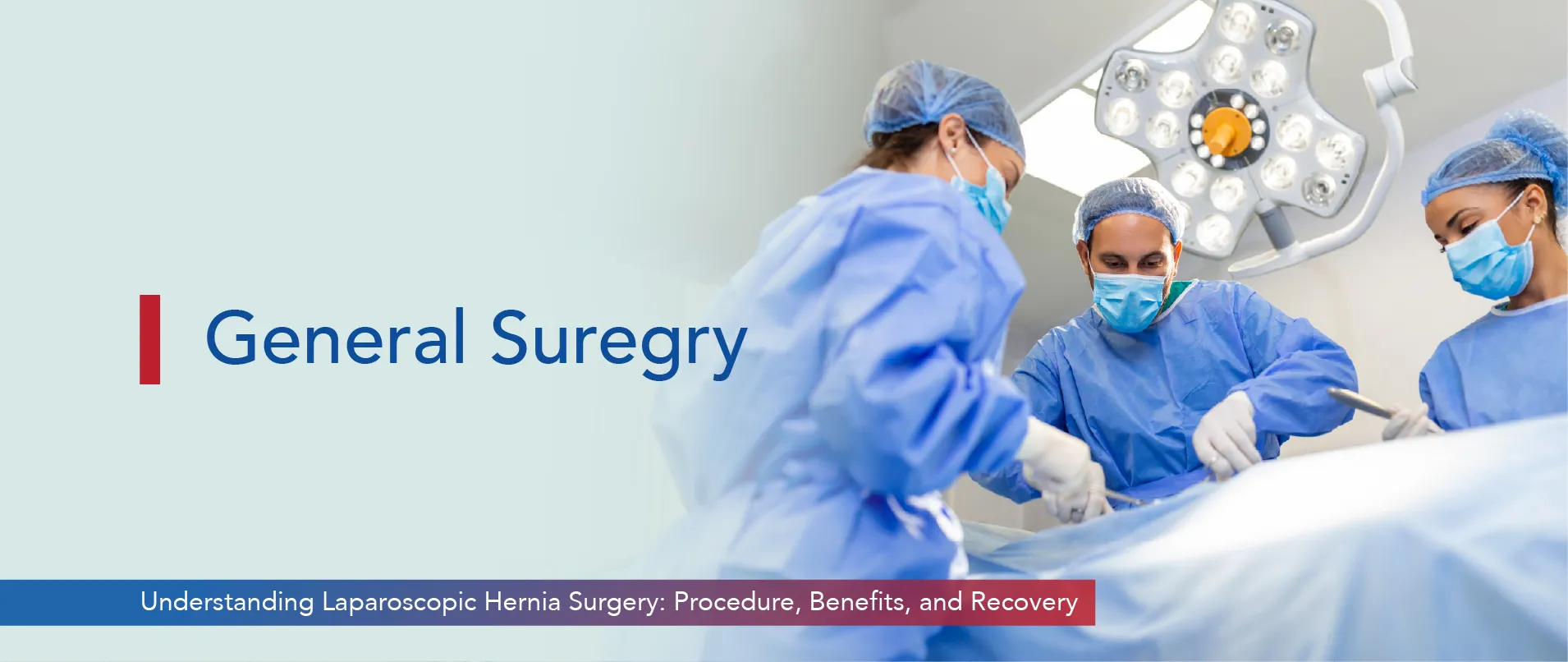
Hernias are a common surgical condition, affecting millions of people worldwide. Studies suggest that nearly 20–25% of men and around 3–5% of women may develop a hernia during their lifetime.
Today, laparoscopic hernia surgery has become a preferred treatment option due to its minimally invasive approach and faster recovery. Compared to traditional techniques, it offers reduced pain, smaller incisions, and quicker return to daily activities.
Understanding what laparoscopic hernia surgery is, how it works, and what to expect before and after the procedure can help patients make informed decisions.
This blog provides a clear overview of the procedure, its benefits, recovery, and important post-surgery care.
Laparoscopic hernia surgery is a minimally invasive surgical technique used to repair hernias. Instead of a large incision, surgeons make small cuts and use a laparoscope, a thin tube with a camera to view the internal organs.
Through these small incisions, surgical instruments are inserted to repair the hernia using a mesh. This mesh strengthens the weakened area and reduces the chances of recurrence.
Therefore, this method is widely preferred for its precision and reduced trauma to surrounding tissues.
A hernia occurs when an internal organ pushes through a weak spot in the muscle or tissue. Common causes include:
Additionally, aging and genetic factors can increase the risk.
Hernia symptoms may vary depending on the type and severity of the hernia. Common signs include:
Hence, early detection is important to avoid complications.
One of the most common concerns is how long laparoscopic hernia surgery takes. In most cases, the procedure takes 30-90 minutes, depending on the type and complexity of the hernia.
However, preparation and recovery time in the hospital may extend the overall duration of stay. Most patients are discharged on the same day or within 24 hours.
Therefore, it is considered a relatively quick and efficient surgical procedure.
Compared to traditional methods, laparoscopic hernia surgery offers several advantages:
Moreover, when comparing laparoscopic vs open surgery for hernia, the laparoscopic approach allows patients to return to normal activities sooner. The difference between laparoscopic and open hernia surgery lies mainly in the surgical technique, recovery period, and level of post-operative discomfort.
Although generally safe, there may be some side effects of laparoscopic hernia surgery. These are usually mild and temporary.
Possible complications include:
However, serious complications are uncommon when experienced surgeons perform the procedure.
The recovery time for laparoscopic hernia surgery is typically shorter than that for open surgery. Most patients resume light activities within a few days.
Recovery generally follows this timeline:
Additionally, following medical advice can significantly improve recovery outcomes.
Proper post-operative care is essential for smooth recovery.
Therefore, adhering to these guidelines can help prevent complications and support healing.
Not all hernias require immediate surgery. However, medical intervention becomes necessary if:
Hence, timely consultation with a specialist is important to determine the right course of treatment.
Laparoscopic hernia surgery has transformed the way hernias are treated, offering a safer, less invasive option with quicker recovery and improved patient comfort. With smaller incisions and reduced post-operative pain, individuals can return to their normal routine sooner.
Knowing how long laparoscopic hernia surgery takes and the expected recovery time helps patients plan their treatment journey with confidence. When comparing laparoscopic vs open surgery for hernia, the laparoscopic approach often stands out for its faster healing and lower discomfort.
Moreover, being aware of the differences between laparoscopic and open hernia surgery, as well as the possible side effects of laparoscopic hernia surgery, helps ensure better preparation and smoother recovery.
Choosing the right surgical expertise is equally important. At Sparsh Hospital, a trusted General Surgery Hospital in Bangalore, patients receive comprehensive care backed by advanced techniques and clinical expertise.
If you are looking for the Best General Surgeon in Bangalore, early consultation can help you access the most appropriate treatment and achieve optimal long-term outcomes.
It is a minimally invasive procedure where small incisions and a camera are used to repair a hernia with mesh, resulting in less pain and faster recovery.
The surgery usually takes 30 to 90 minutes, depending on the type and complexity of the hernia.
Most patients recover within 2–4 weeks and can resume normal activities gradually under medical guidance.
Common side effects include mild pain, swelling, or bruising at the incision site. Serious complications are rare.
Laparoscopic surgery offers faster recovery and less pain. However, the choice depends on the patient’s condition and the surgeon’s recommendation.
Categories: General Surgery





Understanding Laparoscopic Hernia Surgery: Procedure, Benefits, and Recovery is available for appointments. Please fill the below form to book an appointment.
Unlock the door to exceptional healthcare, book an appointment with SPARSH Hospital and let your journey to wellness begin.
Copyright © 2026 SPARSH Hospital, A Unit of Shiva & Shiva Orthopaedic Hospital Pvt Ltd.






 Live Chat