Published in : Haematology | October 30, 2026 |
 Medically Reviewed
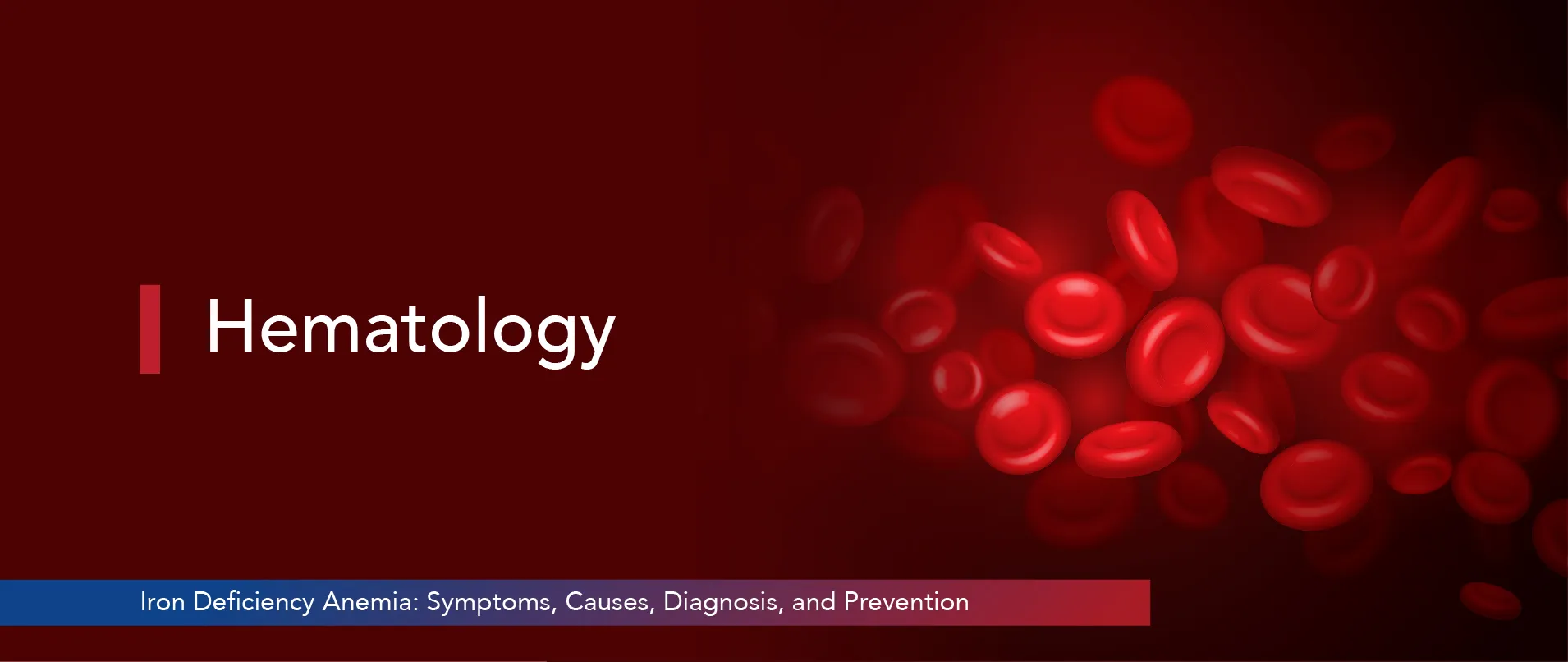
Feeling constantly tired, weak, or short of breath is often a warning sign. However, these symptoms may indicate iron deficiency anaemia, one of the most common nutritional deficiencies worldwide. It develops when the body lacks sufficient iron to produce adequate haemoglobin, the protein in red blood cells that carries oxygen throughout the body.
Without enough healthy red blood cells, organs and tissues receive less oxygen, leading to symptoms such as fatigue, dizziness, reduced concentration, and weakness. The good news is that iron deficiency anaemia is usually treatable with timely diagnosis, iron supplementation, dietary changes, and management of the underlying cause.
In this guide, we’ll explain the symptoms, causes, diagnosis, treatment, and prevention of iron deficiency anaemia.
Iron deficiency anaemia means the body has fewer healthy red blood cells than usual. Iron is needed to make haemoglobin, which picks up oxygen in the lungs and supplies it to the rest of the body.
When iron levels are low, haemoglobin production slows down, and so does red blood cell production. The blood then carries less oxygen than the body needs, and tissues start to feel the effects.
The main features are low iron stores in the bone marrow, reduced haemoglobin, reduced oxygen delivery to tissues, and tiredness and pale skin.
Iron deficiency anaemia symptoms tend to creep up slowly. It gets worse as iron levels decrease gradually. Fatigue is usually the first thing people notice.
Many patients also look pale, especially inside the lower eyelid, and get short of breath doing everyday activities. Palpitations are common, too, along with headaches and dizziness upon standing.
Other signs include cold hands and feet, brittle nails, hair loss, and a sore, swollen tongue. Some people develop pica, an unusual craving for substances, such as ice or clay.
In children, the condition can slow down physical and mental development. In older adults, reduced oxygen levels place extra stress on the heart, forcing it to work harder to meet the body’s oxygen needs.
Iron deficiency anaemia usually comes down to three things: not getting enough iron from food, the body not absorbing it properly, or losing blood over time.
Low iron intake is common in strict vegetarian diets or in cases of general poor nutrition. Poor absorption occurs when conditions such as Crohn’s disease or coeliac disease damage the gut lining, reducing the surface area available to absorb iron. Bowel surgery can have the same effect.
Chronic internal blood loss is the most common cause in adults. For women who haven’t reached menopause, heavy periods are often the reason behind it.
In older adults, hidden bleeding from ulcers, polyps, or bowel cancer is a common cause, and long-term use of anti-inflammatory painkillers can also cause slow, low-level bleeding in the stomach. Finding the actual cause matters because treatment depends on it.
Diagnosing iron deficiency anaemia starts with a physical exam and a conversation about diet and any gut symptoms. The doctor checks for pale skin, a fast heartbeat, and signs that the heart may be enlarged.
Blood tests then confirm the possibility. Doctors usually run more than one test, since no single result shows the current scenario. A full blood count shows whether red blood cells are smaller and paler than normal, which is typical of iron deficiency.
A serum ferritin test shows the body’s iron stores; low levels indicate depleted iron reserves. Serum iron and total iron-binding capacity (TIBC) measure the amount of circulating iron and evaluate the body’s ability to transport it.
A reticulocyte count can show how well the bone marrow is responding. If hidden bleeding is suspected, an endoscopy or colonoscopy may be used to find the source.
Treatment depends on what’s causing the anaemia and the severity of the condition. There are two goals: rebuild the body’s iron stores and stop whatever is causing the loss in the first place.
Oral iron tablets, such as ferrous sulphate or ferrous fumarate, with vitamin C, are usually the first option. They need to be taken daily for several months to fully restore iron levels.
Iron tablets have side effects, such as constipation and nausea, which are common but manageable with medication. If tablets can’t be taken, iron can be given directly into a vein via injection, which restores levels quickly.
Diet helps too. Iron from meat and fish is absorbed more easily than iron from plant sources such as beans and leafy greens. If the blood loss is ot treated, supplements alone can’t fix it.
Patients often ask whether the condition can be cured. It can, but only if both the blood count and the root cause are properly addressed.
Preventing iron deficiency anaemia comes down to eating enough iron-rich food and keeping an eye on blood tests periodically.
A healthy diet with red meat, seafood, pulses, and dark green vegetables is the first option. Taking iron-rich meals with vitamin C helps the body absorb plant-based iron more effectively.
Cooking in cast-iron pans can even add small amounts of iron to food over time. Pregnant women need more iron to support the baby and the increased blood volume during pregnancy, which is why prenatal supplements should be taken as directed.
Babies not getting enough breast milk may need iron-fortified supplements. Regular blood donors should check their iron levels periodically, as repeated blood donation gradually depletes reserves. Doctors recommend routine blood tests to identify this problem early.
Iron deficiency anaemia can be mild or severe, but early diagnosis and the right treatment are the only answers. Treatment is shaped by the severity of the anaemia, how well the patient takes iron supplements, and which underlying gut conditions are common.
At Sparsh Hospital, haematologists, gastroenterologists, and lab specialists work as one team. Services range from detailed iron panel testing to intravenous iron therapy and endoscopic treatment of internal bleeding.
Patients looking for a haematologist in Bangalore can expect an accurate diagnosis and a clear treatment plan. A haematology hospital in Bangalore should support patients with blood disorders through every stage of care.
It’s a condition where the body doesn’t have enough haemoglobin because its iron stores are too low. This means fewer healthy red blood cells and less oxygen reaching the body, leading to fatigue and pale skin.
Common signs include persistent fatigue, pale skin, breathlessness during activity, palpitations, headaches, cold hands and feet, brittle nails, and pica.
Diagnosis depends on blood tests, including a full blood count, serum ferritin, and serum iron levels, which show smaller, paler red blood cells and low iron reserves.
Treatment includes oral iron supplements, intravenous iron if needed, and dietary changes. Any underlying cause of bleeding or poor absorption also needs to be identified and treated.
Categories: Haematology

Iron Deficiency Anaemia: Symptoms, Causes, Diagnosis, and Prevention is available for appointments. Please fill the below form to book an appointment.
Unlock the door to exceptional healthcare, book an appointment with SPARSH Hospital and let your journey to wellness begin.
Copyright © 2026 SPARSH Hospital, A Unit of Shiva & Shiva Orthopaedic Hospital Pvt Ltd.






 Live Chat