Published in : Home Care | October 30, 2026 |
 Medically Reviewed
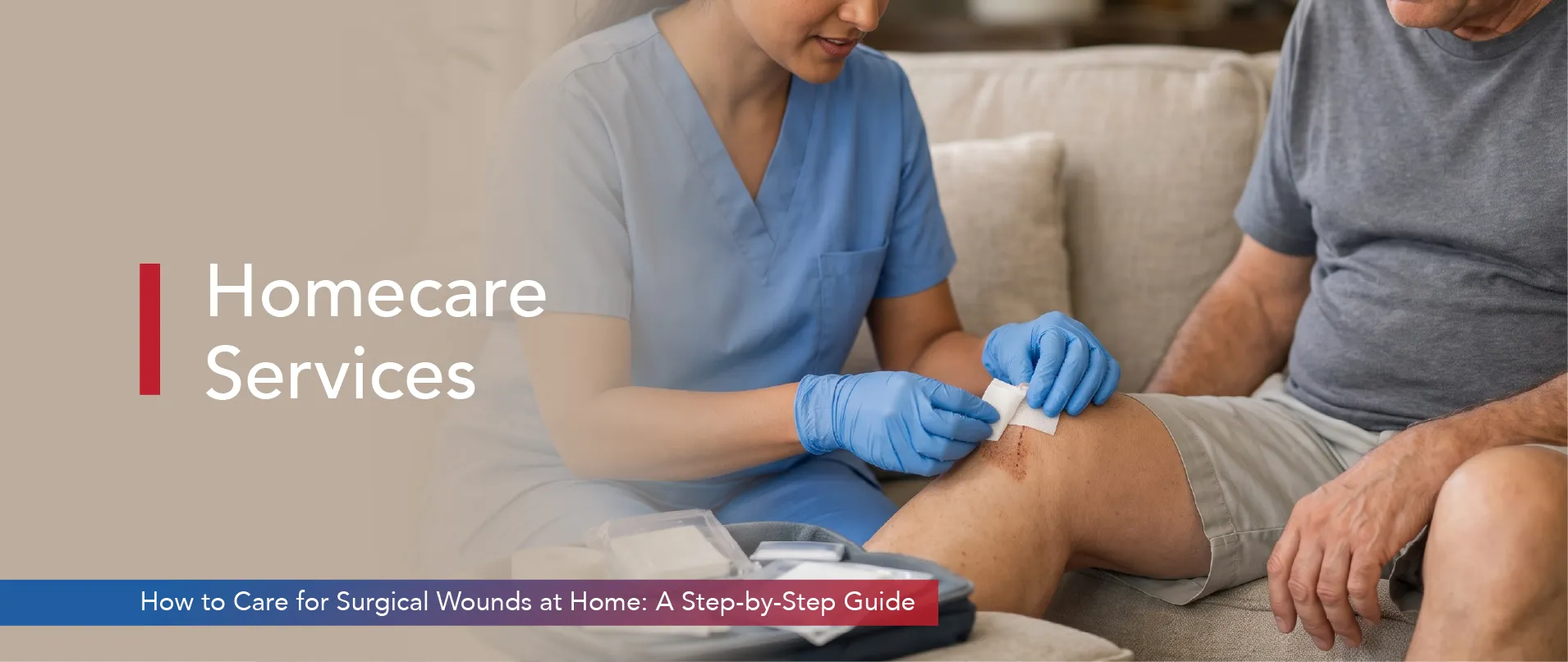
Leaving the hospital after an operation is a major milestone towards recovery. It also shifts the responsibility of wound management directly to the patient. Home care after surgery requires diligence and a clear understanding of basic medical principles.
Although home wound care may seem overwhelming at first, following the right techniques and your doctor’s instructions can make recovery safer and more comfortable. Small steps, such as maintaining good hygiene, changing dressings correctly, and recognising early wa
In this guide, we’ll provide a step-by-step guide to healing surgical wounds at home and explain how to promote safe recovery while recognising signs of possible complications.
Surgical wound healing mainly has three stages. The body first works to stop the bleeding by forming a clot. Next, it creates new tissue to close the opening. Finally, the skin strengthens over several weeks or months.
Proper post-surgical wound care protects this natural biological process. It keeps the tissue clean and free from harmful bacteria. A healthy wound environment promotes faster cell regeneration.
Nutrition plays a vital role in recovery. Follow a diet rich in protein and vitamin C to speed up tissue repair. Stay hydrated, as dehydration slows down the healing process.
Surgical wounds generally fall into two main categories. Closed surgical wounds are brought together using stitches, staples, or surgical adhesive. These wounds usually heal more quickly and require regular monitoring, dressing changes, and protection from infection.
Open surgical wounds are intentionally left open when there is a higher risk of infection, significant tissue loss, or swelling. Depending on the wound, it may heal gradually from the inside out and may require specialised dressings or wound packing, as advised by your doctor.
As wound care varies depending on the type of surgery and your overall health, always follow your surgeon’s instructions before starting any wound care routine at home.
Follow these steps for proper surgical incision care. Follow your surgeon’s instructions throughout your recovery.
Follow these surgical wound dressing tips to ensure optimal healing.
Change the dressing as often as your doctor advises. This is usually once or twice a day.
Always inspect the wound during each dressing change. Look for changes in colour or discharge.
Keep the wound environment dry. Moisture breeds bacteria and breaks down the skin.
Avoid tight clothing that rubs against the bandage. Friction can delay healing.
Do not apply any creams or ointments to the wound unless prescribed by a doctor.
Effective wound care at home directly reduces the risk of infection. Here is how to prevent wound infection after surgery.
You should also follow these restrictions:
Monitoring the incision daily is necessary. Early detection of signs of surgical wound infection prevents severe complications.
Contact a specialised healthcare provider immediately if you notice any of the following:
Pain is a normal part of surgical wound recovery. Take your prescribed pain medication as directed. Ease of pain allows you to move around safely. Gentle movement prevents blood clots, but do not overexert yourself.
Most surgical wounds heal smoothly at home with medications and care, though certain complications require urgent clinical intervention.
If you observe spreading redness, excessive swelling, or foul-smelling pus draining from the incision, as these signify severe infection, you should seek immediate medical attention.
Immediate medical attention is required if wound edges separate. If persistent bleeding occurs despite applied pressure, or if you have a high fever accompanied by chills, uncontrolled pain, or sudden numbness near the site, it requires an urgent medical review.
Sparsh Hospital Bangalore guides families through every step, ensuring safe and effective recovery. If you need expert postoperative wound care at home, do not hesitate to book an appointment with a specialist.
Proper wound management is crucial for a safe and speedy recovery. Leaving the hospital to take care of your wound on your own might be a challenging phase, but following every step guided by your healthcare professional ensures effective surgical wound care at home.
If you notice any malformation, such as redness, swelling, yellow or green pus, a foul smell, pain, or high fever, reach out to an expert healthcare professional immediately.
Most surgical incisions heal within 10 to 14 days. The surface skin closes quickly. However, complete healing beneath the skin takes up to six weeks or longer.
Yes. Keeping the wound covered protects it from bacteria and friction. Also, you should change the dressing daily or when it becomes wet or dirty.
Follow your surgeon’s specific instructions. Many surgeons allow showers 48 hours after surgery. Do not scrub the wound. Let soapy water run over it, then pat it dry immediately.
Yes, mild itching is common during surgical wound healing. It indicates nerve regrowth. Do not scratch the area. Scratching introduces bacteria and can tear the skin.
No. Never remove stitches or staples at home. A healthcare professional must remove them to ensure the wound has closed properly.
3 Mins Read
Categories: Home Care



How to Care for Surgical Wounds at Home: A Step-by-Step Guide is available for appointments. Please fill the below form to book an appointment.
Unlock the door to exceptional healthcare, book an appointment with SPARSH Hospital and let your journey to wellness begin.
Copyright © 2026 SPARSH Hospital, A Unit of Shiva & Shiva Orthopaedic Hospital Pvt Ltd.






 Live Chat