Published in : Ophthalmology | November 19, 2026 |
 Medically Reviewed
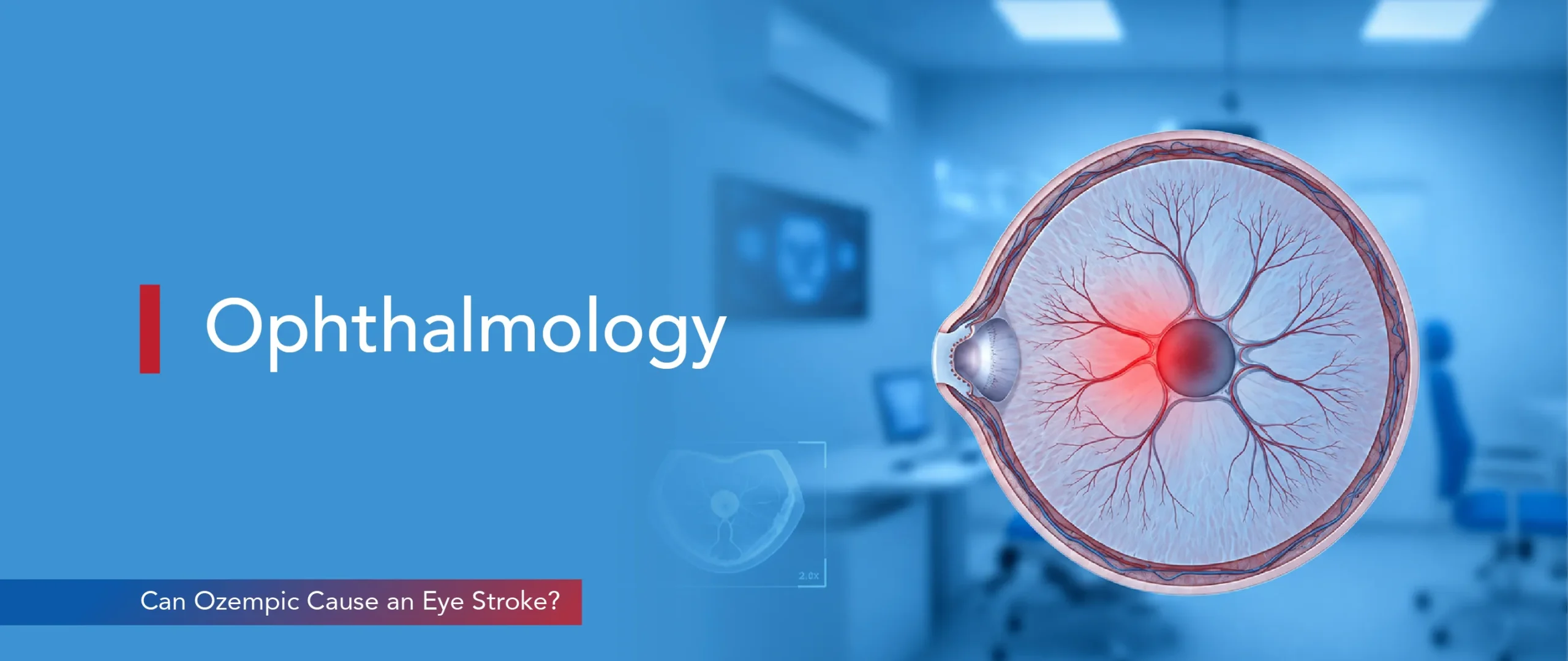
A recent U.S. FDA safety communication has highlighted a potential association between GLP-1 receptor agonist medicines, including semaglutide, and a rare eye condition that can cause sudden vision loss. Here is what patients taking Ozempic and similar medicines should know.
Medicines such as Ozempic (semaglutide) have transformed the management of type 2 diabetes and have also become widely used for weight management. These medicines can provide significant benefits when appropriately prescribed and monitored. However, patients may understandably be concerned following the latest U.S. Food and Drug Administration (FDA) warning regarding a rare condition called non-arteritic anterior ischemic optic neuropathy (NAION).
Patients searching for answers to questions such as “Can Ozempic cause an eye stroke?” should understand the potential connection between semaglutide, changes in vision and this uncommon optic nerve condition.
The important message is not that Ozempic routinely causes blindness. Rather, the FDA has identified a potential increased risk of NAION, a rare condition involving reduced blood flow to the optic nerve. NAION can cause sudden, painless vision loss, and in some patients the loss may be permanent.
The term “eye stroke” is commonly used to describe sudden loss of vision caused by disruption of blood flow to structures of the eye or optic nerve.
If you are wondering what is an eye stroke? The term describes different conditions affecting the eye’s blood supply. NAION is one such condition, although it specifically affects the optic nerve rather than a retinal artery.
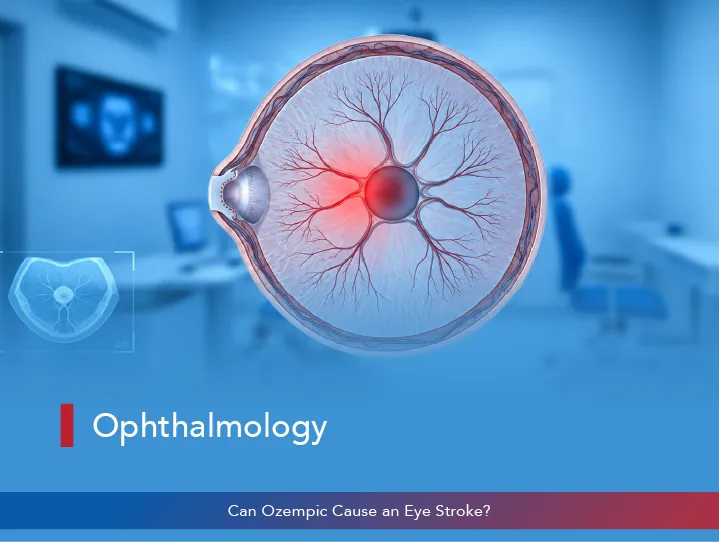
NAION is different from a typical retinal artery blockage. In NAION, the blood supply to the front portion of the optic nerve becomes inadequate. The optic nerve carries visual information from the eye to the brain, so injury to it can result in a sudden reduction in vision.
NAION often presents without pain and may be noticed on waking in the morning. Patients may experience blurred vision, a missing area of the visual field, reduced central clarity or changes in colour perception.
These changes are among the important eye stroke symptoms that require prompt medical assessment, particularly when they develop suddenly.
It is important to interpret the FDA warning correctly.
The FDA has not stated that Ozempic inevitably causes blindness. Instead, its review found a potential increased risk of NAION among people using GLP-1 receptor agonists, a medication class that includes semaglutide.
The FDA reviewed clinical trial data, post-marketing reports, observational research and real-world data. Across 126 clinical trials involving GLP-1 receptor agonists, the estimated incidence of NAION was 6.4 cases per 100,000 person-years, compared with 3.8 cases per 100,000 person-years among comparator groups. Because NAION is rare and many people taking GLP-1 medicines already have conditions such as diabetes and hypertension that can independently increase risk, determining the precise relationship remains challenging.
This FDA warning on Ozempic has raised questions about the possibility of Ozempic-related vision loss, but it is important to distinguish a potential medication-related risk from an established cause-and-effect relationship.
Therefore, patients should not stop Ozempic or another GLP-1 medicine on their own simply because of this warning.
Instead, treatment decisions should be made with the doctor who prescribed the medicine, particularly if the patient develops new visual symptoms.
Semaglutide belongs to a group of medicines known as GLP-1 receptor agonists. These medicines help regulate blood glucose and appetite and are prescribed for conditions including type 2 diabetes and obesity.
Researchers began investigating a possible association between semaglutide and NAION after observational studies reported more cases among some patients taking the medicine. Subsequent studies have produced mixed findings, and the underlying biological mechanism connecting GLP-1 medicines to NAION has not been established.
The FDA notes that it did not identify a clear mechanism in animal data explaining how GLP-1 receptor agonists could increase the risk of NAION.
This is why the current evidence should be described as a potential association or increased risk, rather than proof that semaglutide directly causes NAION in every patient.
Patients should also be aware of other semaglutide side effects and discuss any new or unusual symptoms with their prescribing doctor. Understanding the possible Ozempic side effects can help patients make informed decisions about their treatment and recognise when medical attention is needed.
NAION is already associated with several health and vascular risk factors. These include:
Patients who have experienced NAION in one eye may also have an increased risk of developing the condition in the other eye.
Because many people prescribed GLP-1 medicines have diabetes, obesity, hypertension or other metabolic conditions, it is particularly important to look at the patient’s overall health and individual risk profile, rather than attributing every episode of vision loss to the medication.
Sudden changes in vision should never be ignored.
Contact an eye-care professional promptly if you experience:
Sudden vision loss in one eye is a medical emergency, even when there is no pain. These symptoms may indicate NAION or another serious eye condition and should be assessed without delay.
NAION may occur suddenly and can be noticed when a person wakes up.
Do not wait for the symptoms to disappear on their own.
Sudden vision loss requires urgent medical assessment because several eye and neurological conditions can produce similar symptoms, and some require immediate treatment.
If you experience sudden or significant vision loss:
A sudden visual disturbance needs prompt assessment by an ophthalmologist or an appropriate emergency service.
Specifically mention semaglutide, Ozempic, Wegovy, Rybelsus or any other GLP-1 receptor agonist.
Your treating physician should assess the benefits and potential risks of continuing treatment.
An ophthalmologist may assess visual acuity, visual fields, the optic nerve and retina and may recommend additional investigations depending on the clinical findings.
The FDA advises that patients who develop NAION should discuss whether to continue their GLP-1 medicine with their healthcare professional. For suspected NAION, prompt ophthalmic assessment is recommended.
For most patients, this question cannot be answered with a simple yes or no.
Semaglutide and other GLP-1 medicines have important benefits for appropriately selected patients, including improvement in blood glucose control and weight management. Some GLP-1 medicines also have approved cardiovascular and other indications.
At the same time, the FDA’s new warning means that doctors and patients should be aware of the potential risk of NAION and recognise symptoms early. The decision to continue, change or discontinue treatment should therefore be individualised.
Patients with a previous history of NAION, significant eye disease or multiple vascular risk factors may particularly benefit from discussing their eye health with their treating physician and ophthalmologist.
It is equally important to remember that diabetes itself can affect vision.
Diabetes and eye problems are closely linked because prolonged high blood glucose levels can damage the blood vessels and other structures within the eyes. Diabetic retinopathy, diabetic macular oedema, cataract and other eye conditions can develop in people with diabetes. Rapid changes in blood glucose may also be associated with changes in diabetic retinopathy in some circumstances.
Therefore, patients with diabetes should not focus exclusively on the possible medication-related risk. Maintaining good control of blood sugar, blood pressure and cholesterol, avoiding smoking and attending recommended eye examinations remain important components of protecting long-term vision.
The latest FDA communication is an important reminder to remain vigilant, but it should not create unnecessary fear.
Ozempic does not mean that a patient will become blind. The FDA has identified a potential increased risk of NAION, a rare condition that can cause sudden, painless and potentially permanent vision loss. The absolute risk remains low, and the relationship between GLP-1 medicines and NAION continues to require careful clinical evaluation.
If you are taking Ozempic, Wegovy, Rybelsus or another GLP-1 receptor agonist, do not stop the medication without medical advice. However, if you develop sudden vision loss, a blind spot or any significant new visual disturbance, seek urgent medical attention.
At a hospital with comprehensive ophthalmology, emergency and multidisciplinary medical services, patients can undergo timely assessment to determine the cause of sudden vision changes and receive appropriate management.
Patients experiencing new visual symptoms should consult an experienced ophthalmologist in Bangalore for a detailed eye examination. Access to specialist assessment at an ophthalmology hospital in Bangalore can help identify the underlying cause of vision changes and guide appropriate treatment.
Sudden loss of vision in one eye is an emergency.
Whether the cause is NAION, retinal vascular occlusion, retinal detachment, acute glaucoma or another condition, early evaluation can be critical. If you or someone around you experiences sudden vision loss, seek immediate medical attention rather than waiting for the symptoms to resolve.
Your vision is precious. When vision changes suddenly, act promptly.
Ozempic may be connected to a rare condition called NAION. It affects blood flow to the optic nerve and can cause sudden and lasting vision loss.
Common signs include sudden blurred vision, a blind spot, loss of vision in one eye and changes in colour vision. Seek urgent medical care.
Do not stop Ozempic on your own. Contact your prescribing doctor promptly to discuss your symptoms and decide whether your treatment needs to change.
People with diabetes, high blood pressure, sleep apnoea, kidney disease or a history of NAION may have a higher risk of developing this.
Seek emergency eye care if you suddenly lose vision in one eye, notice a blind spot or experience major changes in your sight.
Categories: Ophthalmology

Can Ozempic Cause an Eye Stroke? is available for appointments. Please fill the below form to book an appointment.
Unlock the door to exceptional healthcare, book an appointment with SPARSH Hospital and let your journey to wellness begin.
Copyright © 2026 SPARSH Hospital, A Unit of Shiva & Shiva Orthopaedic Hospital Pvt Ltd.






 Live Chat