Published in : Oncology | April 9, 2026 |
 Medically Reviewed
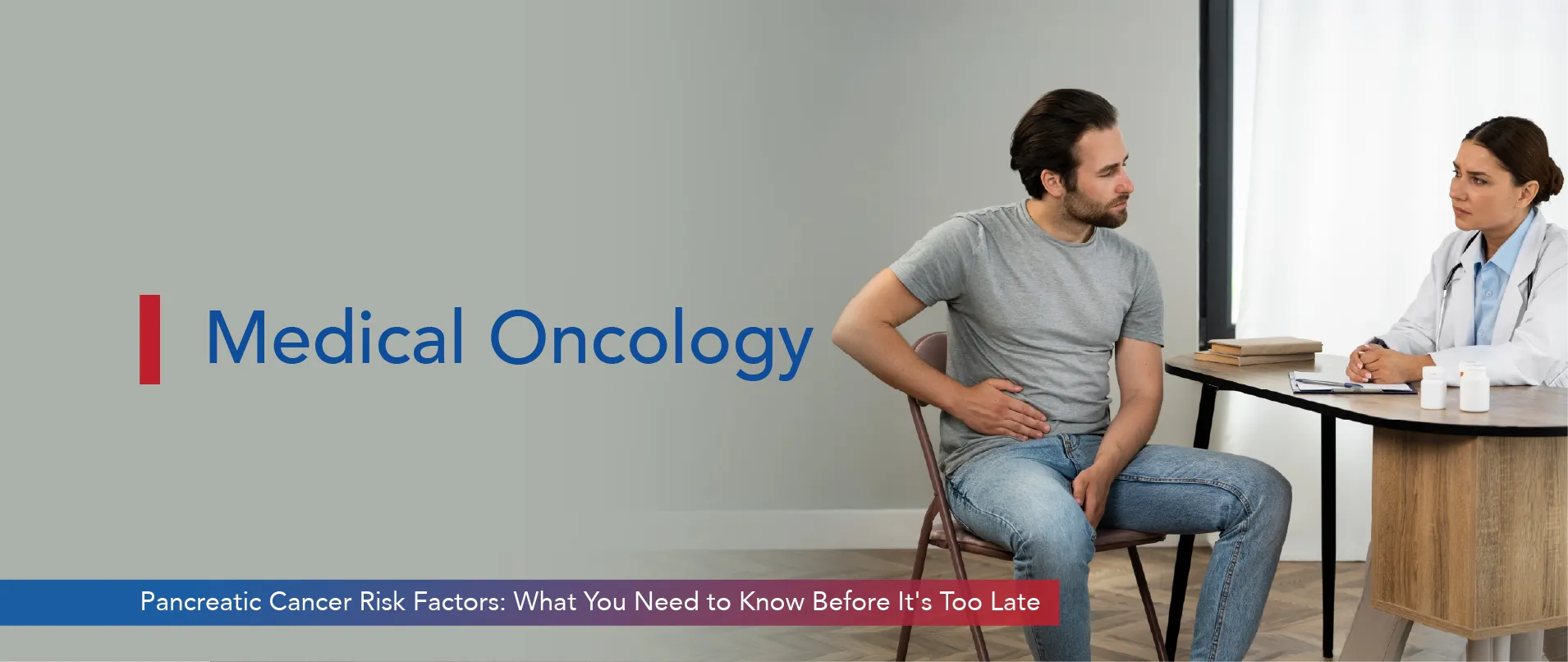
Pancreatic cancer is one of the most serious and difficult cancers to detect early and its impact is far greater than many realise. According to global cancer estimates, pancreatic cancer is one of the leading causes of cancer death.
Although it ranks only as the 12th most common cancer worldwide, more than 500,000 people were diagnosed in 2022, and nearly 470,000 deaths were attributed to the disease in the same year. This makes it the sixth leading cause of cancer-related death globally and one of the cancer types with the least favorable prognosis.
What makes pancreatic cancer particularly concerning is that early stages are often silent, with the early signs of pancreatic cancer easily mistaken for routine digestive problems. As a result, many cases are detected only after the disease has progressed.
Understanding your personal risk factors, recognising the symptoms of pancreatic cancer, and knowing when pancreatic cancer screening may be appropriate can significantly influence outcomes. Awareness is the first step toward earlier evaluation and more effective treatment.
Pancreatic cancer develops when abnormal cells grow uncontrollably in the pancreas, an organ that plays a dual role in digestion and blood sugar regulation. Because the pancreas lies deep within the abdomen, tumours can grow silently for months before producing noticeable symptoms.
Most pancreatic cancers originate in the ducts responsible for carrying digestive enzymes. As the tumour expands, it can obstruct nearby structures, disrupt metabolic function, and spread to surrounding tissues. This biological behaviour contributes to why pancreatic cancer is often diagnosed at advanced stages, making early awareness critically important.
Risk increases steadily with age. Many diagnoses occur after age 60, reflecting cumulative cellular damage over time.
Long-standing inflammation alters pancreatic tissue architecture, increasing susceptibility to malignant transformation.
Sedentary behaviour, alcohol excess, and diets high in processed foods may further compound risk, especially when combined with smoking.
Tobacco exposure introduces carcinogenic compounds that damage pancreatic cells. Smokers are nearly twice as likely to develop pancreatic cancer compared to non-smokers, making cessation one of the most impactful preventive actions.
Inherited mutations such as BRCA-related syndromes account for 10–15% of cases. Individuals with multiple relatives affected by pancreatic or related cancers should consider genetic counselling and risk assessment.
Metabolic disorders promote systemic inflammation and insulin dysregulation, both linked to pancreatic cancer development. Sudden onset diabetes in older adults may sometimes signal underlying pancreatic disease.
One of the most challenging aspects of pancreatic cancer is the subtlety of its presentation. The symptoms of pancreatic cancer often resemble benign digestive conditions:
Because these signs may appear gradually, they are often overlooked. Persistent or unexplained symptoms should prompt medical evaluation, particularly in individuals with known risk factors.
There is currently no universal screening program because pancreatic cancer remains relatively uncommon compared to other malignancies. However, targeted pancreatic cancer screening is recommended for individuals at high genetic or familial risk.
Evaluation typically includes:
Early-stage detection can expand treatment options, including surgery, targeted therapies, and clinical trials.
The causes of pancreatic cancer involve a complex interaction between genetic mutations and environmental exposures. DNA damage accumulates over time due to chronic inflammation, metabolic stress, and carcinogen exposure. Mutations in genes that regulate cell growth allow abnormal cells to proliferate unchecked.
Ongoing research continues to explore molecular pathways, immune responses, and targeted therapies aimed at improving outcomes.
While no strategy guarantees prevention, reducing modifiable risks significantly lowers overall cancer burden:
Individuals with inherited risk should discuss personalised surveillance plans with oncology specialists.
Pancreatic cancer outcomes improve when symptoms are recognised and evaluated early. Although many signs overlap with less serious conditions, persistent changes in digestion, unexplained weight loss, or metabolic shifts warrant attention.
Education, routine health monitoring, and open communication with healthcare providers remain essential tools for earlier detection.
Pancreatic cancer remains one of the most challenging cancers because of its silent early progression and aggressive behaviour. Understanding early signs of pancreatic cancer, recognising symptoms of pancreatic cancer, and being aware of individual risk factors allows people to seek evaluation before the disease advances. Awareness, prevention strategies, and timely medical consultation can significantly influence outcomes.
At Sparsh Hospital, patients benefit from comprehensive cancer care that combines early detection, advanced diagnostics, and personalised treatment planning. If you are concerned about pancreatic cancer risk, consulting specialists at a trusted Medical oncology Hospital in Bangalore, guided by an experienced Best Oncologist in Bangalore, ensures expert, compassionate care tailored to your needs.
Early signs of pancreatic cancer may include jaundice, unexplained weight loss, abdominal pain, digestive disturbances, or sudden diabetes. Persistent symptoms should always be evaluated medically.
Screening is advised for people with strong family history, inherited genetic risk, or chronic pancreatic disease. A specialist can guide personalised screening decisions.
Yes. Avoiding smoking, maintaining healthy weight, eating balanced meals, and staying active can lower risk and improve metabolic health.
Because early tumours produce minimal symptoms and lie deep in the abdomen, diagnosis often occurs after progression, making awareness and early evaluation essential.
Categories: Oncology




Pancreatic Cancer Risk Factors: What You Need to Know Before It's Too Late is available for appointments. Please fill the below form to book an appointment.
Unlock the door to exceptional healthcare, book an appointment with SPARSH Hospital and let your journey to wellness begin.
Copyright © 2026 SPARSH Hospital, A Unit of Shiva & Shiva Orthopaedic Hospital Pvt Ltd.