Published in : Endocrinology and diabetology | July 16, 2026 |
 Medically Reviewed
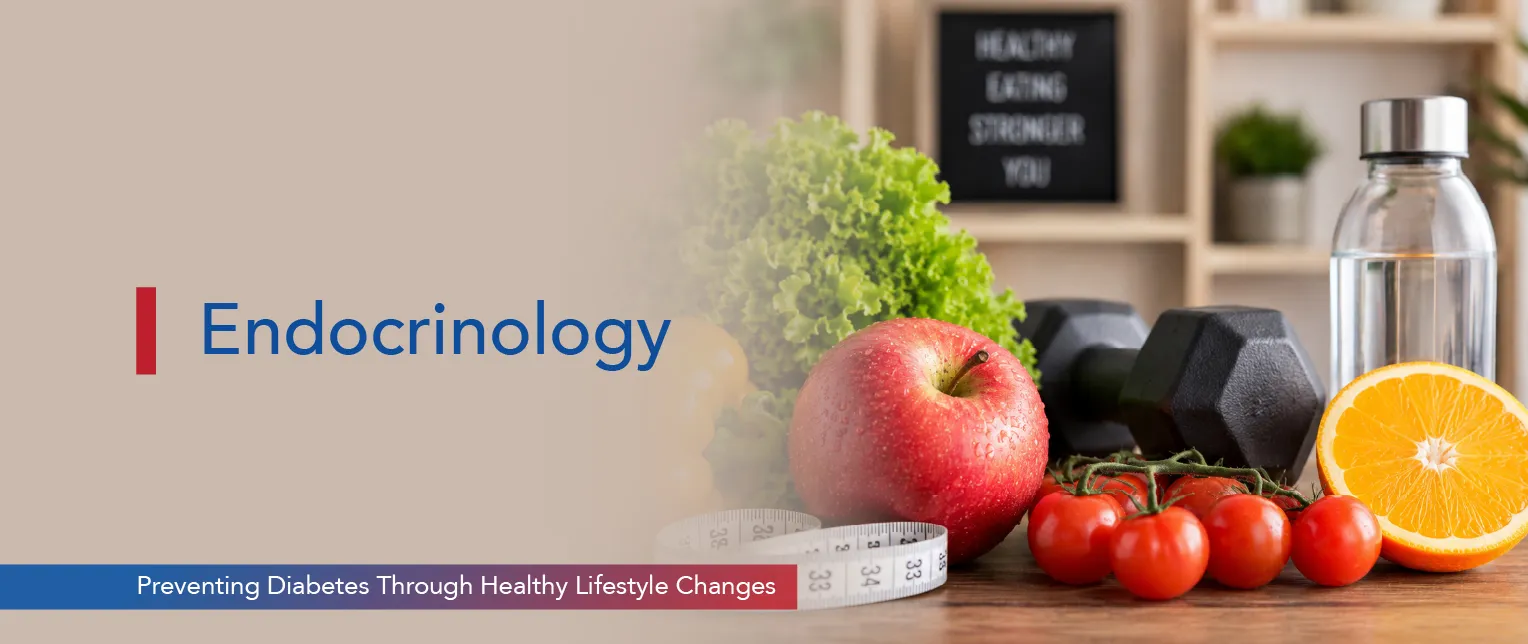
Could your daily habits today determine your future risk of diabetes? India is currently facing a major rise in diabetes cases, with more than 101 million adults living with the condition, according to the International Diabetes Federation.
Additionally, nearly 136 million Indians are estimated to have prediabetes, placing them at a higher risk of developing Type 2 diabetes in the coming years. Sedentary lifestyles, unhealthy eating habits, stress, obesity, and a lack of physical activity are among the biggest contributing factors.
The good news, however, is that healthy lifestyle changes can significantly reduce the risk of diabetes and improve long-term health.
In this blog, we will discuss how to control diabetes, ways to reduce blood sugar naturally, warning signs to watch for, and practical steps that support better metabolic health.
Diabetes is a condition in which blood sugar levels become abnormally high. This usually occurs when the body either does not produce enough insulin or cannot use insulin efficiently.
Insulin is the hormone responsible for moving sugar from the bloodstream into the body’s cells for energy. The most common form is Type 2 diabetes, which is often associated with lifestyle-related factors. If left unmanaged, diabetes can affect several organs, including the heart, kidneys, eyes, nerves, and blood vessels.
Recognising symptoms early can help prevent long-term complications and support timely treatment.
Some common warning signs include:
Persistent symptoms should never be ignored, especially in individuals with a family history of diabetes.
One of the most effective ways to control diabetes is to maintain a balanced, nutritious diet. Food choices directly influence blood sugar levels, insulin sensitivity, and overall metabolic health.
A diabetes-friendly diet often includes:
At the same time, limiting sugary drinks, processed foods, refined carbohydrates, and excessive fried foods can support better blood sugar management.
Many people search for foods that lower blood sugar immediately. Although no food acts as an instant cure, certain foods may help stabilise blood sugar levels naturally when consumed regularly.
Examples include:
These foods may support insulin function and reduce sudden sugar spikes.
Regular exercise plays a major role in preventing and managing diabetes. Physical activity helps the body use insulin more efficiently and supports weight management.
Helpful forms of exercise include:
Experts generally recommend at least 150 minutes of moderate physical activity every week for better metabolic health.
People looking for ways to reduce blood sugar naturally should focus on sustainable lifestyle practices rather than short-term solutions.
Simple daily habits include:
Stress management is particularly important because stress hormones can affect insulin sensitivity and blood sugar balance.
One of the most asked questions is, “Can diabetes be cured?” Currently, there is no permanent cure for diabetes. However, many individuals with early-stage Type 2 diabetes can successfully manage their blood sugar levels through consistent lifestyle changes.
In some cases, blood sugar levels may return to healthy ranges for long periods. This is often referred to as diabetes remission rather than a complete cure.
The question of how to reverse diabetes is becoming increasingly common today. While reversal may not be possible for everyone, some people with prediabetes or early Type 2 diabetes may significantly improve their condition through:
Early diagnosis and intervention play an important role in improving outcomes.
Diabetes often develops gradually and may remain undetected for years. Routine health check-ups help identify abnormalities in blood sugar levels before serious complications develop.
Regular monitoring may include:
Early detection improves treatment success and long-term health outcomes.
Simple lifestyle measures can help reduce diabetes risk and support better health.
Helpful diabetes control tips include:
Consistency is more important than extreme diets or unrealistic routines.
Diabetes is a growing health concern, but healthy lifestyle changes can significantly reduce the risk of developing the condition and improve long-term wellness. While many people wonder if diabetes can be cured or how to reverse diabetes, sustainable habits such as balanced nutrition, regular exercise, stress management, and healthy weight control remain the foundation of effective prevention and care.
Individuals seeking guidance on controlling diabetes without medication and improving blood sugar management should consult an expert at a trusted Endocrinology Hospital in Bangalore. Consulting with an experienced Endocrinologist in Bangalore can help ensure personalised treatment, early diagnosis, and better metabolic health outcomes.
Yes, healthy eating, regular physical activity, weight management, and routine health screenings can significantly reduce the risk of developing Type 2 diabetes.
Foods such as oats, leafy greens, nuts, cinnamon, and fenugreek seeds may help stabilise blood sugar levels naturally over time.
Lifestyle changes, including balanced nutrition, exercise, stress reduction, and proper sleep, may help some individuals manage diabetes naturally under medical supervision.
Frequent urination, excessive thirst, fatigue, blurred vision, slow-healing wounds, and sudden weight changes are common warning signs of diabetes.
Some individuals with early-stage Type 2 diabetes may achieve remission through long-term lifestyle modifications, healthy weight management, and regular medical monitoring.
Categories: Endocrinology and diabetology








Preventing Diabetes Through Healthy Lifestyle Changes is available for appointments. Please fill the below form to book an appointment.
Unlock the door to exceptional healthcare, book an appointment with SPARSH Hospital and let your journey to wellness begin.
Copyright © 2026 SPARSH Hospital, A Unit of Shiva & Shiva Orthopaedic Hospital Pvt Ltd.






 Live Chat