Published in : General Medicine | September 10, 2026 |
 Medically Reviewed
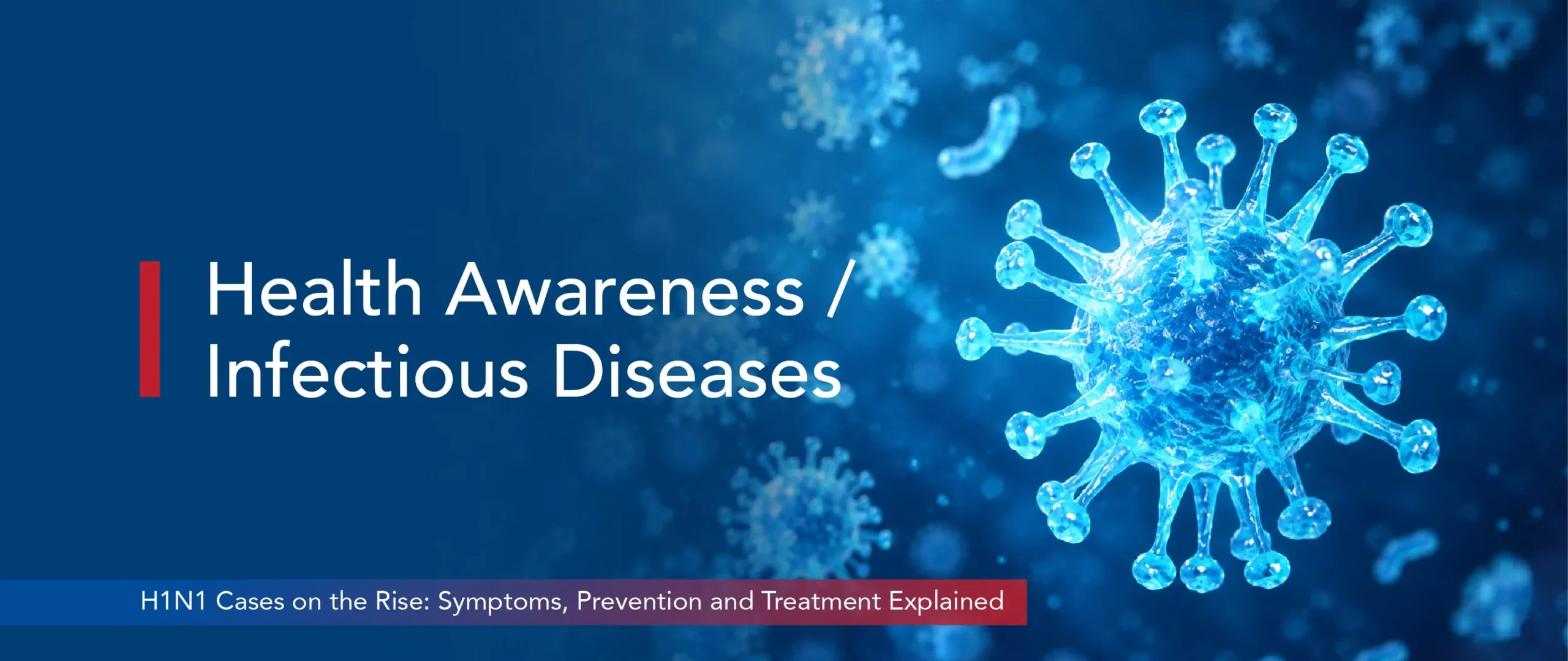
The recent rise in H1N1 cases in Delhi has brought renewed attention to seasonal flu and the importance of recognising symptoms early.
Bengaluru has also seen increased H1N1 activity, with reports of around 300 to 400 active cases. These numbers are a reason to remain cautious, particularly in crowded places, while avoiding unnecessary alarms.
In this blog, we discuss the early symptoms of H1N1, how it affects children, adults, and older people, how the infection is diagnosed and treated, and the precautions that can help reduce the risk of infection.
Influenza transmission can increase when respiratory viruses circulate widely, and people spend more time in crowded or poorly ventilated environments. Weather conditions, changes in circulating influenza viruses, and varying levels of population immunity can also influence transmission.
H1N1 currently circulates as a seasonal influenza virus. The recent increase in cases does not by itself indicate the emergence of a new or unusual pathogen strain. However, higher community transmission means that people should pay attention to symptoms and seek medical advice when necessary.
Severe influenza can affect breathing and may require hospitalisation, oxygen therapy, and other supportive care depending on the patient’s condition.
H1N1 is a subtype of influenza A that causes respiratory infection in humans. It became widely known as “swine flu” during the 2009 influenza pandemic, although H1N1 has since become one of the influenza viruses that circulates seasonally among people.
The virus primarily spreads through respiratory particles released when an infected person coughs, sneezes, talks, or breathes. It can also spread when someone touches contaminated surfaces and then touches their eyes, nose, or mouth.
Because H1N1 symptoms can overlap with those of other respiratory infections, symptoms alone cannot confirm the infection.
H1N1 can develop relatively suddenly. Common early symptoms include:
Some people may also experience less typical symptoms such as abdominal discomfort, nausea, vomiting, or diarrhea.
Not everyone will experience all of these symptoms, and some people may have a mild illness.
Children may develop fever, cough, sore throat, body aches and tiredness. Younger children may also become unusually irritable, less active, or reluctant to eat and drink. Vomiting or diarrhoea can sometimes occur.
Parents should pay particular attention to difficulty breathing, dehydration, unusual sleepiness, seizures or a noticeable worsening of the child’s condition.
Adults commonly experience fever, cough, sore throat, headache, chills, muscle aches, and fatigue. Some people may also experience nasal congestion or a reduced appetite.
Pregnant women and adults with conditions such as asthma, diabetes, heart disease or a weakened immune system may have a higher risk of complications. They should seek medical advice promptly if flu-like symptoms develop.
Older adults may not always develop a high fever. Instead, they may show weakness, confusion, reduced alertness, worsening breathlessness, or a sudden decline in their usual ability to carry out daily activities.
These changes should not simply be attributed to ageing and may require prompt medical assessment.
A doctor may suspect influenza based on symptoms, medical history, and the level of influenza activity in the community. However, laboratory testing may be recommended when confirmation is clinically important.
Molecular tests such as RT-PCR can detect influenza viruses and, where appropriate, identify the influenza type or subtype. Rapid influenza tests may also be used in some settings.
Not every person with mild flu-like symptoms requires testing. Doctors may recommend testing people with severe illness, those at higher risk of complications, or when the result could influence treatment or infection-control decisions.
Treatment depends on the person’s age, symptoms, risk factors, and overall condition. People with uncomplicated influenza may recover with adequate rest, fluids, and appropriate measures to manage symptoms.
Antiviral medicines such as oseltamivir may be recommended for people with severe illness or those at higher risk of complications. Antiviral treatment is generally most useful when started early, particularly for patients at increased risk.
Severe cases may require hospitalisation, oxygen therapy, or ventilatory support if breathing becomes difficult. Other medicines, such as bronchodilators or corticosteroids, may be considered when there is another medical indication, such as an underlying airway condition; they are not routinely used to treat uncomplicated influenza itself.
Antibiotics do not treat H1N1 because the infection is caused by a virus. A doctor may prescribe antibiotics if a bacterial infection or complication is diagnosed.
Simple measures can reduce the risk of influenza transmission:
Wearing a mask is particularly sensible in crowded or poorly ventilated environments when influenza activity is high. Seasonal influenza vaccination can also reduce the risk of influenza and its complications, particularly among people at higher risk. Discuss vaccination with a doctor to determine what is appropriate for you.
The recent rise in H1N1 cases in Delhi, along with increased activity reported in Bengaluru, reminds us to stay alert for respiratory infections. H1N1 commonly causes fever, cough, sore throat, body aches, headache and fatigue, while more serious cases can lead to breathing difficulties and other complications.
For people in Bengaluru, Sparsh Hospital has a team of experienced doctors who can assess symptoms, recommend the necessary tests, and guide appropriate treatment. Seeking medical care at the right time can help manage H1N1 effectively and reduce the risk of complications.
H1N1 mainly spreads through respiratory particles from an infected person. It can also spread through contaminated hands or surfaces.
Common early symptoms include fever, cough, sore throat, headache, body aches, chills, and fatigue. Some people may also have a blocked or runny nose.
Testing may be recommended if symptoms are severe, worsening, or occur in someone at a higher risk of complications. A doctor can advise whether testing is needed.
Yes. Wearing a well-fitting mask in crowded spaces, maintaining hand hygiene, and avoiding close contact with unwell people can help reduce the risk of infection.
3 Mins Read
Categories: General Medicine

H1N1 Cases on the Rise: Symptoms, Prevention and Treatment Explained is available for appointments. Please fill the below form to book an appointment.
Unlock the door to exceptional healthcare, book an appointment with SPARSH Hospital and let your journey to wellness begin.
Copyright © 2026 SPARSH Hospital, A Unit of Shiva & Shiva Orthopaedic Hospital Pvt Ltd.






 Live Chat