Published in : Cardiac Sciences | October 10, 2026 |
 Medically Reviewed
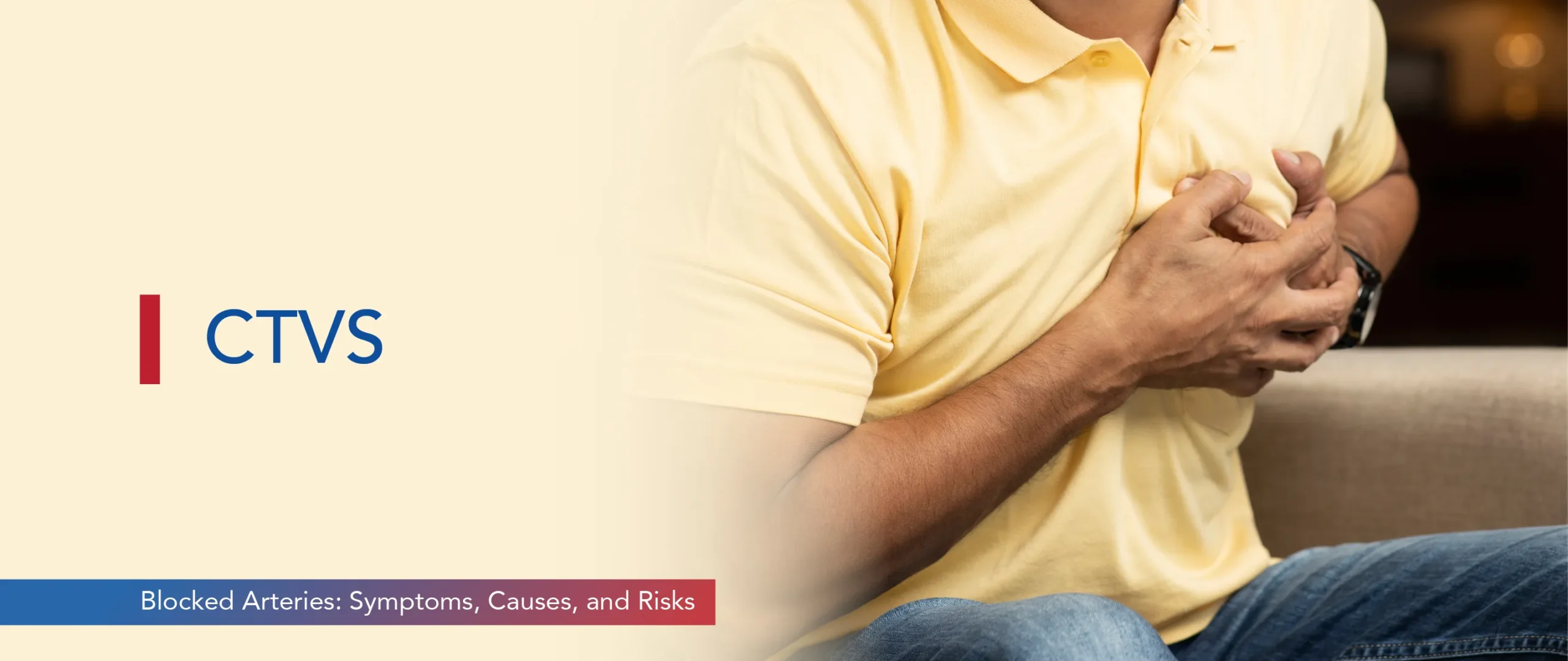
What if the tiredness you’ve been ignoring, the breathlessness you blame on age, or the occasional chest discomfort you brush aside is your heart asking for help?
A blocked artery does not always announce itself with dramatic symptoms. In many cases, arteries gradually narrow over time, silently reducing blood flow to the heart. For some people, the first warning sign may be a heart attack or another serious cardiovascular event.
In this blog, we will discuss the symptoms of blocked arteries, how arteries get blocked, the common causes of blocked arteries, available tests for blocked arteries, and when you should seek medical attention.
A blocked artery occurs when fatty deposits, cholesterol, calcium, and other substances accumulate within the artery walls. This buildup, known as plaque, narrows the artery and reduces blood flow to vital organs and tissues.
When the arteries supplying the heart become affected, the condition is commonly referred to as coronary artery disease. Reduced blood flow can deprive the heart muscle of oxygen, leading to chest discomfort, shortness of breath, and other cardiovascular symptoms.
Arteries gradually become blocked through a process called atherosclerosis. Over time, plaque accumulates inside the artery walls, causing narrowing and hardening of the arteries.
Several factors contribute to this process, including:
Progression is often slow, which is why regular heart health assessments are important.
The most common causes of blocked arteries include:
Excess LDL cholesterol can contribute to plaque formation within artery walls.
Persistent high blood pressure can damage arteries and accelerate plaque buildups.
Elevated blood sugar levels can increase the risk of vascular damage and arterial blockage.
Smoking damages blood vessels and promote inflammation and plaque formation.
Lack of physical activity and excess body weight are significant contributors to cardiovascular disease.
A genetic predisposition may increase the likelihood of developing blocked arteries.
The symptoms of blocked arteries often depend on the location and severity of the blockage.
Common symptoms of blockage include:
In some individuals, symptoms may not appear until a significant blockage develops.
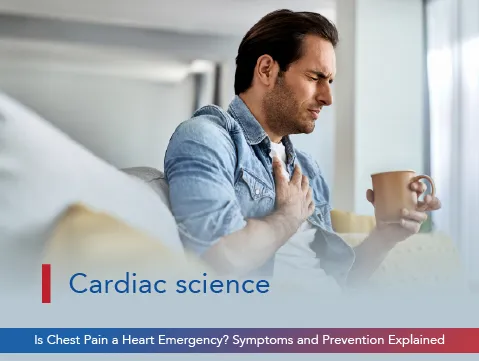
The symptoms of blocked arteries in the heart can vary from mild discomfort to severe cardiovascular emergencies.
Common warning signs include:
If these symptoms occur suddenly or become severe, seek immediate medical attention.
Although symptoms can provide clues, heart blockage can only be confirmed through medical evaluation and diagnostic testing. Persistent chest discomfort, breathlessness, unexplained fatigue, or reduced exercise capacity should never be ignored.
Individuals with risk factors such as diabetes, hypertension, high cholesterol, smoking, or a family history of heart disease may benefit from preventive cardiovascular screening.
A left artery blockage can be particularly serious because the left coronary artery supplies a large portion of the heart muscle.
Symptoms may include:
Prompt diagnosis and treatment are important for restoring blood flow and protecting heart function.
Right artery blockage symptoms may vary depending on the severity and location of the obstruction.
Common symptoms include:
Because right coronary artery blockage symptoms can resemble those of other cardiovascular conditions, specialist evaluation is important for an accurate diagnosis.
Some of the most common signs of blocked arteries include:
Recognising these warning signs early may help prevent serious cardiovascular complications.
If you are wondering what the symptoms of heart blockage are, some of the most common include:
The severity of symptoms often depends on the extent of arterial narrowing and the overall health of the heart.
A test for blocked arteries helps doctors assess blood flow to the heart and identify areas of narrowing.
Common diagnostic tests include:
These tests help determine the location and severity of blockages and guide treatment decisions.
If left untreated, blocked arteries can increase the risk of:
Early diagnosis and appropriate treatment significantly improve outcomes and reduce the risk of serious complications.
Blocked arteries often develop silently, but the consequences can be life-threatening if warning signs are ignored. Recognising the symptoms of blocked arteries, understanding their causes, and knowing how to recognise heart blockage can help you seek timely medical care before serious complications occur. Whether you are experiencing symptoms of blocked heart arteries, noticing possible signs of a right artery blockage, or looking for a reliable test for blocked arteries, early evaluation can make a significant difference.
At Sparsh Hospital, experienced cardiologists provide comprehensive heart evaluations, advanced diagnostic testing, and personalised treatment plans to help detect and manage blocked arteries at every stage.
Blocked arteries are commonly caused by cholesterol buildup, high blood pressure, diabetes, smoking, obesity, physical inactivity, and an unhealthy diet.
Symptoms may include chest pain, shortness of breath, fatigue, dizziness, palpitations, and reduced exercise tolerance, especially during physical activity.
Arteries become blocked through a process called atherosclerosis, in which plaque gradually accumulates within the arterial walls and restricts blood flow.
Persistent chest discomfort, shortness of breath, fatigue, or reduced stamina may indicate heart blockage, but diagnostic testing is needed for confirmation.
Categories: Cardiac Sciences



Blocked Arteries Symptoms, Causes, and Risks is available for appointments. Please fill the below form to book an appointment.
Unlock the door to exceptional healthcare, book an appointment with SPARSH Hospital and let your journey to wellness begin.
Copyright © 2026 SPARSH Hospital, A Unit of Shiva & Shiva Orthopaedic Hospital Pvt Ltd.






 Live Chat