Published in : Haematology | October 10, 2026 |
 Medically Reviewed
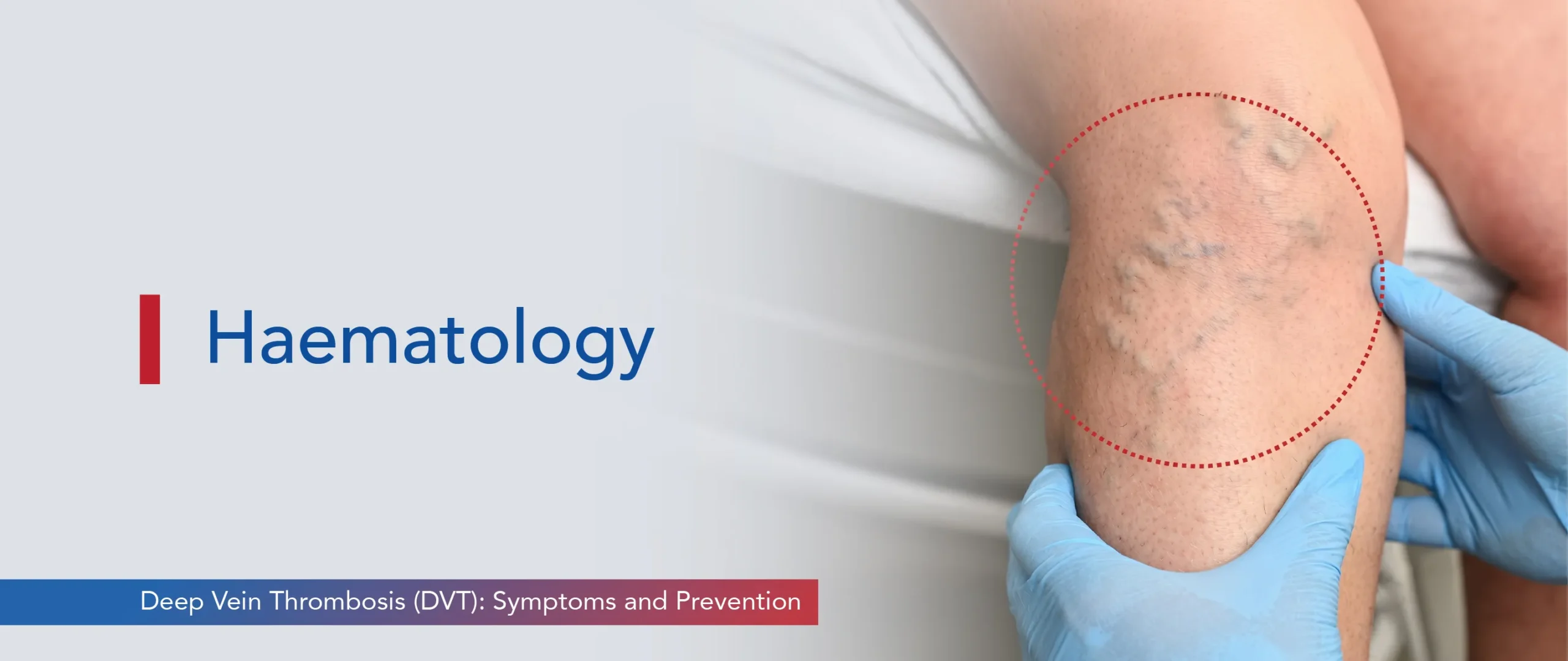
Have you ever experienced swelling, pain, or heaviness in your leg and assumed it was simply fatigue, muscle strain, or the result of sitting too long?
While these symptoms are often harmless, they can sometimes signal a more serious condition called deep vein thrombosis (DVT). DVT occurs when a blood clot forms in a deep vein, usually in the leg or thigh, restricting normal blood flow.
A blood clot in the leg or thigh can become dangerous if it breaks off and travels to the lungs, causing pulmonary embolism. The good news is that early recognition, timely treatment, and preventive measures can significantly reduce the risk of complications.
In this blog, we will discuss DVT symptoms, deep vein thrombosis causes, available DVT treatment options, and practical steps that can help lower your risk of developing blood clots.
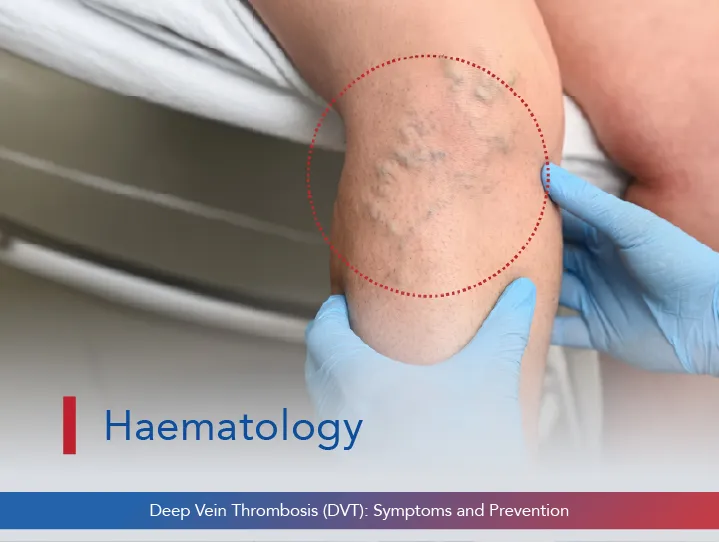
Deep vein thrombosis, commonly known as DVT, is a condition in which a blood clot forms in a deep vein, most often in the legs. The clot may partially or completely block blood flow, leading to swelling, pain, and discomfort.
Although DVT can affect anyone, it is more common in people who remain immobile for long periods, have recently undergone surgery, or have underlying medical conditions that increase blood clotting. Early diagnosis is important because untreated DVT can lead to potentially life-threatening complications.
One of the biggest challenges with DVT is that symptoms can be subtle or mistaken for other conditions. Some individuals may not experience symptoms at all.
Common DVT symptoms and signs of DVT include:
Recognising early-stage DVT symptoms in the legs can make a significant difference in preventing complications. Mild swelling, calf discomfort, or tenderness that develops without an obvious cause should always be evaluated by a healthcare professional.
Several factors can increase the risk of developing blood clots. Understanding these DVT causes can help individuals identify their risk early.
Common deep vein thrombosis causes include:
DVT often develops when blood flow slows; blood becomes more prone to clotting, or the blood vessel’s wall is damaged.
A blood clot in the leg is the most common presentation of DVT. While some clots remain stable, others can enlarge and obstruct blood flow.
A blood clot in the thigh may carry a higher risk because clots located higher in the leg are more likely to travel through the bloodstream. If part of the clot reaches the lungs, it can cause a pulmonary embolism, a medical emergency that requires immediate treatment.
Symptoms that may suggest a serious complication include:
These symptoms require urgent medical attention.
The primary goal of DVT treatment is to stop the clot from growing, reduce the risk of pulmonary embolism, and prevent future blood clots.
Treatment options may include:
Deep vein thrombosis treatment is tailored to the patient’s age, overall health, clot location, and risk profile.
In most cases, doctors do not physically remove the clot. Instead, medications allow the body to break it down while preventing new clot formation gradually.
Similarly, those wondering how to cure a blood clot caused by injury should seek medical evaluation, as treatment depends on the clot’s size and location.
Although not every case can be prevented, several lifestyle measures can help reduce risk:
People with a history of blood clots or significant risk factors may require additional preventive measures under specialist supervision.
Deep vein thrombosis is more than just a leg problem; it is a condition that can have serious consequences if left untreated. Recognising DVT symptoms, understanding deep vein thrombosis causes, and seeking prompt medical care for a blood clot in the leg or blood clot in the thigh can significantly reduce the risk of complications.
Whether you are looking for information about deep vein thrombosis treatment, wondering how to remove a blood clot, or trying to understand the signs of DVT, early evaluation remains the key to safer outcomes.
At Sparsh Hospital, patients benefit from comprehensive diagnosis, personalised DVT treatment, and specialist care delivered by experienced vascular and blood disorder experts.
If you are looking for advanced care at a leading Haematology Hospital in Bangalore or wish to consult an experienced Haematologist in Bangalore, timely intervention can help protect your health and support long-term recovery.
Early DVT symptoms may include swelling in one leg, calf pain, tenderness, warmth, or redness of the skin. These symptoms can develop gradually and should be evaluated by a healthcare professional as soon as possible.
Some cases of a blood clot in the leg may be resolved on their own, but medical assessment is important. Untreated DVT can increase the risk of serious complications, including pulmonary embolism and long-term vein damage.
Deep vein thrombosis treatment commonly includes blood-thinning medications, compression therapy, and lifestyle modifications. In selected cases, clot-dissolving medications or minimally invasive procedures may be recommended based on the clot’s severity and location.
Seek medical attention if you experience unexplained leg swelling, pain, redness, or warmth, particularly in one leg. Immediate emergency care is required if symptoms are accompanied by chest pain, dizziness, or shortness of breath.
Categories: Haematology


Deep Vein Thrombosis (DVT): Symptoms and Prevention is available for appointments. Please fill the below form to book an appointment.
Unlock the door to exceptional healthcare, book an appointment with SPARSH Hospital and let your journey to wellness begin.
Copyright © 2026 SPARSH Hospital, A Unit of Shiva & Shiva Orthopaedic Hospital Pvt Ltd.






 Live Chat