Published in : Oncology | June 11, 2026 |
 Medically Reviewed
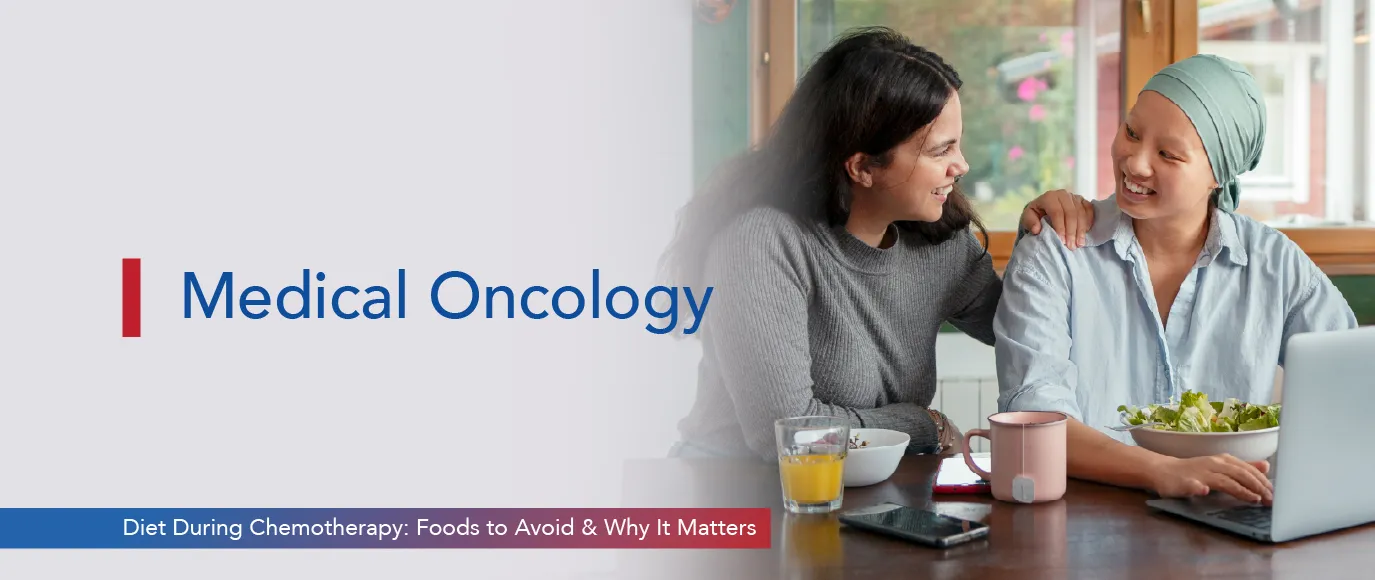
Taking care of someone undergoing cancer treatment is not easy, and ensuring they eat the right foods can feel just as challenging. During chemotherapy, the body goes through significant changes, making proper nutrition more important than ever. What a patient eats can directly affect their strength, recovery, and ability to cope with treatment. In fact, studies show that an overall healthy dietary pattern can lower cancer risk by 10–20%, highlighting the importance of mindful eating.
However, with changing appetite, nausea, and fatigue, knowing what to include in a diet during chemotherapy and what to avoid can often be confusing. Therefore, this guide simplifies the process, offering clear, practical advice to support both patients and caregivers at every stage of treatment.
A well-planned diet during chemotherapy plays a crucial role in maintaining strength, supporting immunity, and improving tolerance to treatment. Chemotherapy targets rapidly dividing cancer cells; however, it can also affect healthy cells, especially those involved in digestion.
A balanced chemotherapy diet plan ensures the body receives essential nutrients needed for healing and energy.
Additionally, choosing the right food for cancer patients can improve overall quality of life during treatment.
The need for a specialised diet for chemo patients arises due to the side effects caused by treatment. Chemotherapy can alter how the body processes food and absorbs nutrients.
Common changes that affect diet:
Moreover, patients undergoing combined treatments may require a diet for cancer patients on chemo and radiation, which focuses on gentle, easy-to-digest foods.
Hence, adapting your diet during chemotherapy is essential to ensure your body continues to receive proper nutrition.
Understanding what not to eat is just as important as knowing what to include in a diet during chemotherapy.
Foods to Avoid:
Additionally, heavily fried foods may increase nausea and discomfort.
Therefore, focusing on safe and nutritious food for cancer patients helps minimise complications during treatment.
Choosing the best food for chemo patients can help maintain energy levels and support healing.
Recommended Foods:
Moreover, small and frequent meals are often easier to tolerate than large portions.
A customised chemotherapy diet plan ensures that nutritional needs are met based on individual symptoms and treatment responses.
Recovery post chemotherapy is equally important. Knowing what to eat after chemotherapy helps rebuild strength and restore normal body function.
Additionally, maintaining a consistent diet during chemotherapy and treatment supports long-term recovery.
Following a diet for chemo patients can feel challenging, especially with fluctuating symptoms. However, simple strategies can make a significant difference.
Moreover, caregivers play an important role in ensuring patients receive proper nutrition and support.
Maintaining the right diet during chemotherapy is essential for managing side effects, supporting recovery, and improving overall well-being. From understanding safe food for cancer patients to choosing the best food for chemo patients, every dietary decision plays a role in treatment outcomes.
Whether you are following a diet for chemo patients, exploring a diet for cancer patients on chemo and radiation, or planning what to eat after chemotherapy, personalised guidance is key.
At Sparsh Hospital, a leading Medical Oncology Hospital in Bangalore, experienced specialists and nutrition experts provide comprehensive care. Consulting an expert Oncologist in Bangalore ensures that your chemotherapy diet plan is aligned with your treatment and recovery needs.
Patients should avoid raw foods, unpasteurised dairy products, spicy foods, and processed foods, as these may increase the risk of infection or worsen side effects such as nausea and digestive discomfort.
A balanced diet including protein, whole grains, fruits, vegetables, and fluids is recommended to support immunity, energy levels, and recovery during chemotherapy treatment.
Yes, a proper diet can help manage nausea, fatigue, and weight loss, while supporting the body’s healing process and improving tolerance to treatment.
After chemotherapy, patients should focus on protein-rich, nutrient-dense foods, hydration, and gradual reintroduction of fibre to restore strength and improve digestion.
Yes, patients undergoing both treatments might need a personalised diet that is easy to digest, nutrient-rich, and tailored to manage combined treatment side effects.
Categories: Oncology


Diet During Chemotherapy: Foods to Avoid & Why It Matters is available for appointments. Please fill the below form to book an appointment.
Unlock the door to exceptional healthcare, book an appointment with SPARSH Hospital and let your journey to wellness begin.
Copyright © 2026 SPARSH Hospital, A Unit of Shiva & Shiva Orthopaedic Hospital Pvt Ltd.






 Live Chat