Published in : Nephrology | July 21, 2026 |
 Medically Reviewed
Kidney disease has become a major global health concern, affecting millions of people every year. According to recent studies, nearly 13–14% of adults in India are estimated to have chronic kidney disease (CKD), and the country has approximately 138 million CKD cases, making it one of the highest burdens globally.
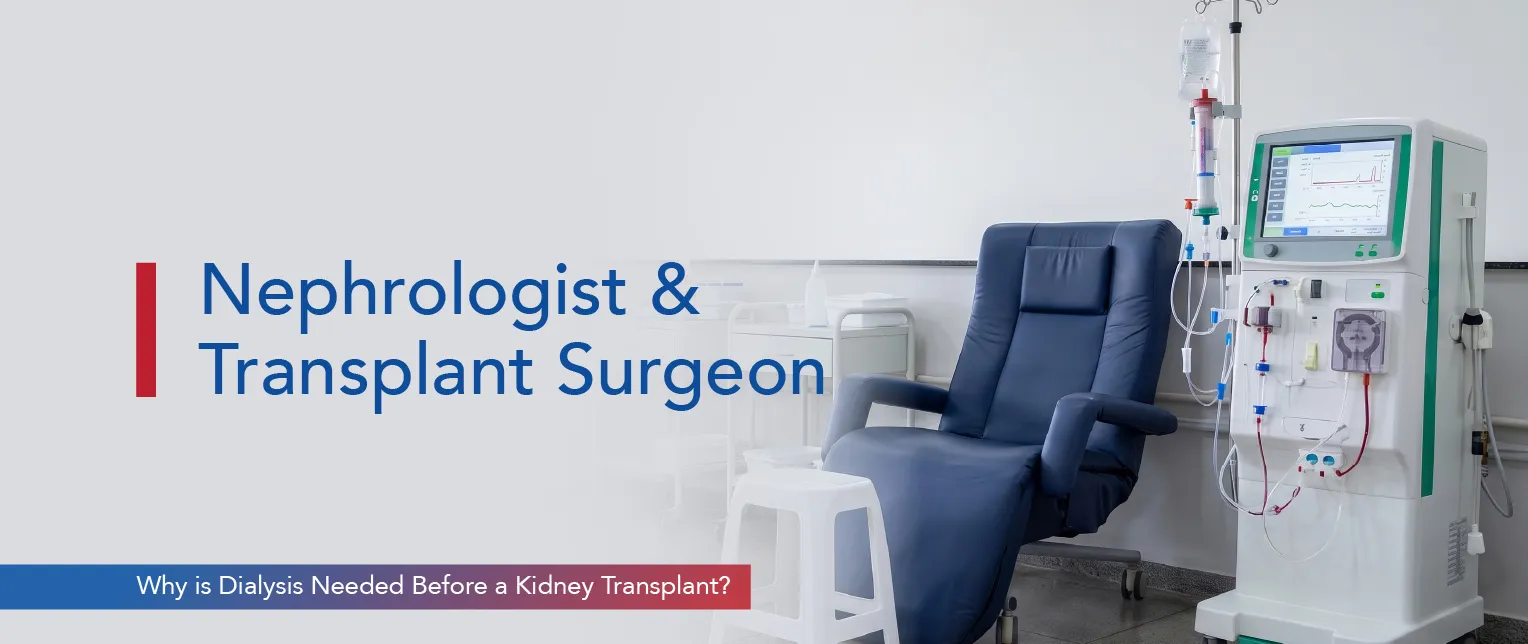
For many patients with severe kidney failure, dialysis becomes a life-supporting treatment while they wait for a kidney transplant. In this blog, we will discuss what dialysis is, how it works, why it is needed before transplantation, and what patients can expect during treatment.
Dialysis is a medical treatment that performs some of the functions normally carried out by healthy kidneys.
The kidneys help:
When kidney function declines severely, toxins and excess fluids begin building up in the body. Dialysis treatment helps remove these harmful substances artificially and supports the body until a kidney transplant becomes possible.
Patients with severe kidney failure often require dialysis before transplantation because their kidneys can no longer perform essential functions adequately.
Dialysis helps:
Without dialysis, dangerous complications such as fluid buildup in the lungs, severe electrolyte imbalance, and heart problems can develop.
For many patients’ awaiting transplantation, dialysis acts as a bridge treatment that keeps the body stable until a donor kidney becomes available.
People commonly ask, “How does dialysis work?” Dialysis works by filtering waste products, excess fluids, and toxins from the blood using specialised equipment or the abdominal lining.
The treatment helps remove:
This process helps maintain the body’s chemical balance and reduces symptoms associated with kidney failure.
There are different types of dialysis available depending on the patient’s medical condition and lifestyle requirements.
Haemodialysis is the most common form of dialysis treatment. Blood is passed through a dialysis machine, where it is filtered before being returned to the body.
Peritoneal dialysis uses the lining of the abdomen to filter waste products naturally through a specialised dialysis fluid.
Doctors recommend the most suitable dialysis method after evaluating kidney function, overall health, and lifestyle needs.
Doctors may recommend dialysis when kidney function declines severely, and symptoms become difficult to manage.
Common indications for dialysis include:
Early diagnosis and medical monitoring help determine the right time to begin treatment.
Kidney failure often develops gradually, and symptoms may worsen over time.
Common warning signs include:
Patients experiencing these symptoms should seek immediate nephrology evaluation.
Another common concern is, “How long does dialysis take?” The duration depends on the type of dialysis being performed. Haemodialysis sessions usually take around 3–5 hours and are commonly performed three times a week.
Peritoneal dialysis may involve multiple fluid exchanges throughout the day or overnight automated treatments. Treatment schedules vary depending on kidney function and overall medical condition.
Many patients worry and ask, “Is dialysis painful?” Dialysis itself is generally not considered painful, although some individuals may experience mild discomfort during needle insertion or temporary tiredness after treatment.
Some patients may occasionally experience:
Proper monitoring and supportive medical care help minimise discomfort during dialysis treatment.
Although dialysis is a life-saving treatment, some individuals may experience dialysis side effects.
Possible side effects include:
Regular follow-up and proper medical supervision help manage these complications effectively.
People often ask, “How long can you live on dialysis?” Survival depends on several factors, including age, overall health, diabetes, heart disease, and the quality of treatment.
Advances in dialysis care and nephrology treatment have significantly improved dialysis life expectancy by age over the years. Many patients continue dialysis for several years while maintaining active lifestyles.
However, for suitable candidates, kidney transplantation usually offers better long-term quality of life and improved survival outcomes.
Dialysis helps stabilise the patient physically before transplant surgery. Doctors usually assess:
Patients awaiting transplantation must follow dietary restrictions, medication schedules, and dialysis appointments carefully to remain medically fit for surgery.
A successful kidney transplant may reduce or eliminate the need for dialysis. However, lifelong follow-up and medications are necessary to prevent organ rejection.
Healthy lifestyle habits, regular monitoring, and ongoing nephrology care are important for long-term kidney function after transplantation.
Dialysis plays a vital role in supporting patients with severe kidney failure while they await kidney transplantation. Although dialysis treatment may involve lifestyle adjustments and possible dialysis side effects, it helps maintain essential body functions. It improves survival in individuals with end-stage renal failure with dialysis dependency.
Timely diagnosis, regular monitoring, and proper nephrology care are essential for improving kidney health outcomes. Patients experiencing symptoms of kidney failure should seek expert treatment from Sparsh Hospital, a trusted Dialysis Hospital in Bangalore and Urology and Nephrology Hospital in Bangalore, offering comprehensive kidney care, dialysis support, and transplant management.
Dialysis is a medical treatment that removes waste products, excess fluids, and toxins from the blood when the kidneys stop functioning properly.
Dialysis helps maintain body function, remove toxins, and stabilise patients with kidney failure while they wait for a donor’s kidney.
Hemodialysis sessions generally take around 3–5 hours and are usually performed several times a week.
Dialysis is generally not painful, although some patients may experience mild discomfort, muscle cramps, or temporary fatigue after treatment.
Dialysis does not cure kidney failure. It supports essential body functions until transplantation or long-term kidney management becomes possible.
Categories: Nephrology











Why Is Dialysis Needed Before a Kidney Transplant? is available for appointments. Please fill the below form to book an appointment.
Unlock the door to exceptional healthcare, book an appointment with SPARSH Hospital and let your journey to wellness begin.
Copyright © 2026 SPARSH Hospital, A Unit of Shiva & Shiva Orthopaedic Hospital Pvt Ltd.






 Live Chat