Published in : ENT | April 27, 2026 |
 Medically Reviewed

Why does a simple cold sometimes lead to persistent ear pain or hearing discomfort? In many cases, the cause is otitis media, a common condition in which infection or inflammation develops in the middle ear. Although often associated with children, adults can also experience this condition, particularly during respiratory infections or allergy flare-ups.
The build-up of fluid behind the eardrum creates an environment in which bacteria or viruses can increase in number and lead to a build-up of pressure and inflammation in the ear. As a result, people experience various symptoms related to an ear infection such as pain, changes in their hearing, and a fever. Many times, individuals exhibit early signs of an ear infection but believe that it will resolve on its own and continue about their day.
If an ear infection goes untreated, it can lead to either recurrent ear infections or complications with your hearing.
This blog discusses the formation of otitis media, the common causes of it, warning signs that indicate an ear infection, and the methods physicians use to treat it.
Otitis media refers to inflammation or infection affecting the middle ear, the air-filled space located behind the eardrum. This area contains small bones that transmit sound vibrations from the eardrum to the inner ear.
When the Eustachian tube, which connects the middle ear to the throat, becomes blocked, fluid may accumulate inside the middle ear. This fluid creates an environment where viruses or bacteria can grow, leading to an ear infection.
There are several forms of otitis, including acute infections that appear suddenly and chronic infections that develop gradually. Acute infections usually produce noticeable ear infection symptoms, while chronic infections may cause persistent fluid buildup and hearing problems.
Recognising how otitis media develops helps explain why early diagnosis and treatment are important in preventing complications associated with ear diseases.
Several factors may contribute to the development of otitis media. Most infections occur after illnesses that affect the nose, throat, or upper respiratory tract.
The most common otitis media causes include:
Children are more susceptible to ear infections because their Eustachian tubes are shorter and more easily blocked. However, adults may also develop otitis following respiratory infections, seasonal allergies, or sinus congestion.
In some individuals, untreated infections can lead to recurrent episodes and more complex ear diseases, underscoring the importance of medical evaluation when symptoms persist.
Early identification of ear infection symptoms can help prevent complications and ensure timely treatment.
Common symptoms associated with otitis media include:
These otitis media symptoms can vary in severity depending on the infection. Some individuals experience mild discomfort, while others develop severe pain or high fever.
Persistent ear infection symptoms may indicate more complex ear diseases, particularly if hearing changes or balance problems develop. Therefore, individuals should consult a healthcare professional if symptoms continue for several days.
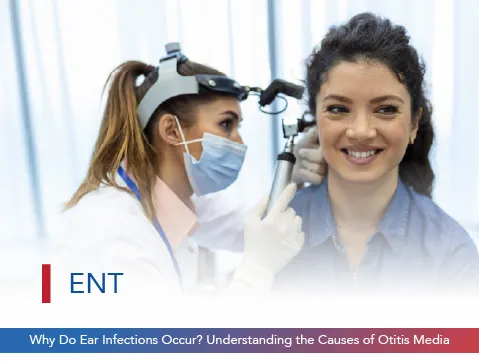
Treatment for otitis media depends on the underlying cause and severity of infection. Doctors typically begin with a physical examination of the ear using specialised instruments to inspect the eardrum. This assessment helps determine whether the infection is bacterial, viral, or related to fluid buildup.
Common treatment approaches for ear infection include:
Doctors may recommend pain relief medication to reduce discomfort. If bacterial infection is confirmed, antibiotics may be prescribed.
Some mild cases of otitis media resolve on their own. In such cases, doctors monitor symptoms before recommending antibiotics.
For recurrent infections, specialists may recommend procedures to remove fluid from the middle ear and restore proper ventilation.
These treatment approaches help relieve otitis media symptoms and reduce the risk of long-term complications associated with ear diseases.
Although not all infections can be prevented, several steps may help reduce the risk of developing otitis media.
Helpful preventive measures include:
Early medical evaluation also helps identify the underlying causes of otitis media and prevents recurrent ear infections.
Individuals experiencing frequent symptoms should consult a medical professional for further evaluation and preventive care.
Ear infections can affect both children and adults and may significantly disrupt daily activities if left untreated. Recognising early signs of ear infection and understanding the common causes of otitis media are essential for preventing complications and maintaining ear health.
Prompt diagnosis and appropriate treatment help manage otitis media effectively and reduce the risk of recurrent infections. Additionally, preventive strategies, such as managing allergies and treating respiratory infections early, can help protect against recurrent ear disease.
For individuals seeking specialised care, Sparsh Hospital, a leading ENT Hospital in Bangalore, provides advanced diagnostic and treatment services for ear infections and other ear conditions. Experienced ENT Specialists in Bangalore offer personalised care, accurate diagnosis, and effective treatment plans to support long-term health.
Otitis media is an infection or inflammation of the middle ear that occurs when fluid builds behind the eardrum and becomes infected by bacteria or viruses.
Typical ear infection symptoms include ear pain, fever, hearing difficulty, fluid drainage from the ear, and pressure or fullness in the ear.
Common causes of otitis media include respiratory infections, allergies, sinus infections, and blocked Eustachian tubes that trap fluid in the middle ear.
Some mild cases of ear infection may improve without antibiotics. However, persistent symptoms should be evaluated by a healthcare professional to avoid complications.
Categories: ENT












Why Do Ear Infections Occur? Understanding the Causes of Otitis Media is available for appointments. Please fill the below form to book an appointment.
Unlock the door to exceptional healthcare, book an appointment with SPARSH Hospital and let your journey to wellness begin.
Copyright © 2026 SPARSH Hospital, A Unit of Shiva & Shiva Orthopaedic Hospital Pvt Ltd.






 Live Chat