Published in : General Medicine | December 8, 2025 |
 Medically Reviewed
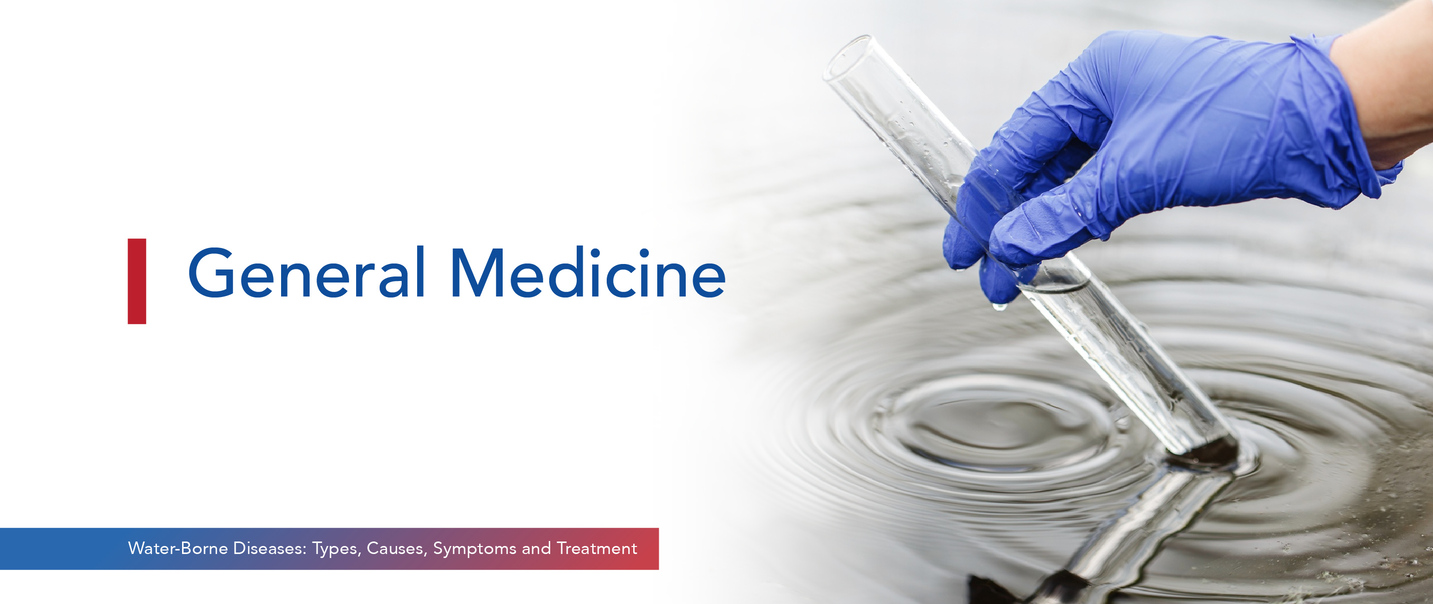
Water-borne diseases are a major global health concern, especially in tropical countries like India where contaminated water sources and poor sanitation are common. These diseases spread through the consumption of or contact with contaminated water, leading to infections in the gastrointestinal tract and other organs. Understanding what water-borne diseases are, their causes, symptoms, and treatment options can help prevent serious health complications.
Water-borne diseases are infections transmitted through the ingestion or use of contaminated water. The contamination may occur due to bacteria, viruses, parasites, or chemical pollutants. These disease-causing agents thrive in environments where sanitation and hygiene practices are inadequate.
Common water-borne infections include diarrhoea, typhoid, cholera, and hepatitis A, all of which can become life-threatening if not treated promptly. The majority of these diseases affect the digestive system, leading to gastrointestinal issues such as vomiting, diarrhoea, and dehydration.
Water-borne diseases are preventable through improved hygiene, clean drinking water, and timely medical care.
Water-borne diseases are caused by different microorganisms, each leading to distinct symptoms and complications. Here are some of the most common water-borne diseases found in tropical regions like India:
Caused by Vibrio cholerae bacteria, cholera leads to severe watery diarrhoea and dehydration. It spreads rapidly through contaminated drinking water and food. If untreated, it can be fatal within hours due to fluid loss.
Salmonella typhi bacteria cause typhoid, transmitted through food or water contaminated with faecal matter. Symptoms include high fever, weakness, abdominal pain, and loss of appetite.
These viral infections affect the liver and are spread through water contaminated by human waste. Patients experience jaundice, fatigue, nausea, and abdominal pain.
This intestinal infection is caused by Giardia lamblia parasites. Symptoms include bloating, nausea, and watery diarrhoea. It often affects individuals with poor gut health and weak immunity.
Also known as amoebic dysentery, this infection is caused by Entamoeba histolytica. It leads to bloody diarrhoea, abdominal pain, and cramps.
A bacterial infection transmitted through water contaminated with animal urine, leptospirosis can cause fever, muscle pain, and liver damage.
Although primarily mosquito-borne, Chikungunya often spreads in areas with stagnant water where mosquitoes breed. It causes fever, joint pain, and fatigue, and is common during monsoons in tropical regions.
The primary cause of water-borne diseases is the consumption of contaminated water. Contamination can occur at various stages—from the water source to its storage or handling. Major causes include:
The symptoms of water-borne diseases vary depending on the type of infection and the organism involved. However, most cases share common gastrointestinal signs.
Common Symptoms Include:
Severe dehydration, electrolyte imbalance, or liver failure can occur if treatment is delayed.
Prompt diagnosis is critical for effective treatment of water-borne infections. At SPARSH Hospitals, our general physicians in Bangalore conduct thorough evaluations and laboratory tests to identify the cause and tailor the treatment accordingly.
Preventing water-borne diseases is more effective than treating them. Simple hygiene and sanitation measures can drastically reduce infection rates.
Always drink boiled, filtered, or bottled water. Avoid consuming untreated water from unknown sources.
Wash hands with soap before meals and after using the toilet. Clean fruits and vegetables thoroughly.
A healthy gut improves immunity against gastrointestinal diseases. Include probiotics, fiber-rich foods, and hydration in your diet.
Dispose of human and animal waste safely to prevent contamination of water sources.
Prevent mosquito breeding by eliminating stagnant water around your home to reduce the risk of Chikungunya and other tropical diseases.
Get vaccinated for preventable diseases such as hepatitis A and typhoid.
If you experience severe diarrhoea, vomiting, or fever, consult a general physician in Bangalore immediately. Early intervention prevents complications.
Seek immediate medical attention if you experience persistent diarrhoea, high fever, severe dehydration, or jaundice. These may indicate serious water-borne infections that require urgent care.
If you live in Bangalore, visit SPARSH Hospitals, a reputed general medicine hospital in Bangalore, for accurate diagnosis and expert treatment. Our experienced physicians provide comprehensive care for infectious and gastrointestinal diseases caused by contaminated water.
Water-borne diseases are preventable with proper hygiene, safe water consumption, and timely medical care. Understanding the types, causes, and symptoms of these infections can help protect you and your family from serious health risks.
At SPARSH Hospitals, our multidisciplinary team offers effective treatment and preventive guidance for all types of infectious and gastrointestinal diseases. By adopting safe water practices, maintaining good gut health, and seeking regular check-ups, you can ensure long-term protection against common water-borne diseases.
Water-borne diseases are infections caused by consuming or coming into contact with contaminated water. They include diseases like cholera, typhoid, hepatitis A, and amoebiasis.
They are caused by bacteria, viruses, or parasites found in polluted water due to poor sanitation, industrial waste, or improper hygiene.
Symptoms include diarrhoea, vomiting, fever, abdominal pain, dehydration, and jaundice.
Drink clean water, maintain hygiene, get vaccinated, and avoid consuming raw or unwashed foods.
If you experience high fever, persistent diarrhoea, or signs of dehydration, consult a general physician in Bangalore at SPARSH Hospitals for prompt care.
3 Mins Read
Categories: General Medicine








Water-Borne Diseases: Types, Causes, Symptoms, and Treatment is available for appointments. Please fill the below form to book an appointment.
Unlock the door to exceptional healthcare, book an appointment with SPARSH Hospital and let your journey to wellness begin.
Copyright © 2026 SPARSH Hospital, A Unit of Shiva & Shiva Orthopaedic Hospital Pvt Ltd.