Published in : Pulmonology | July 16, 2026 |
 Medically Reviewed
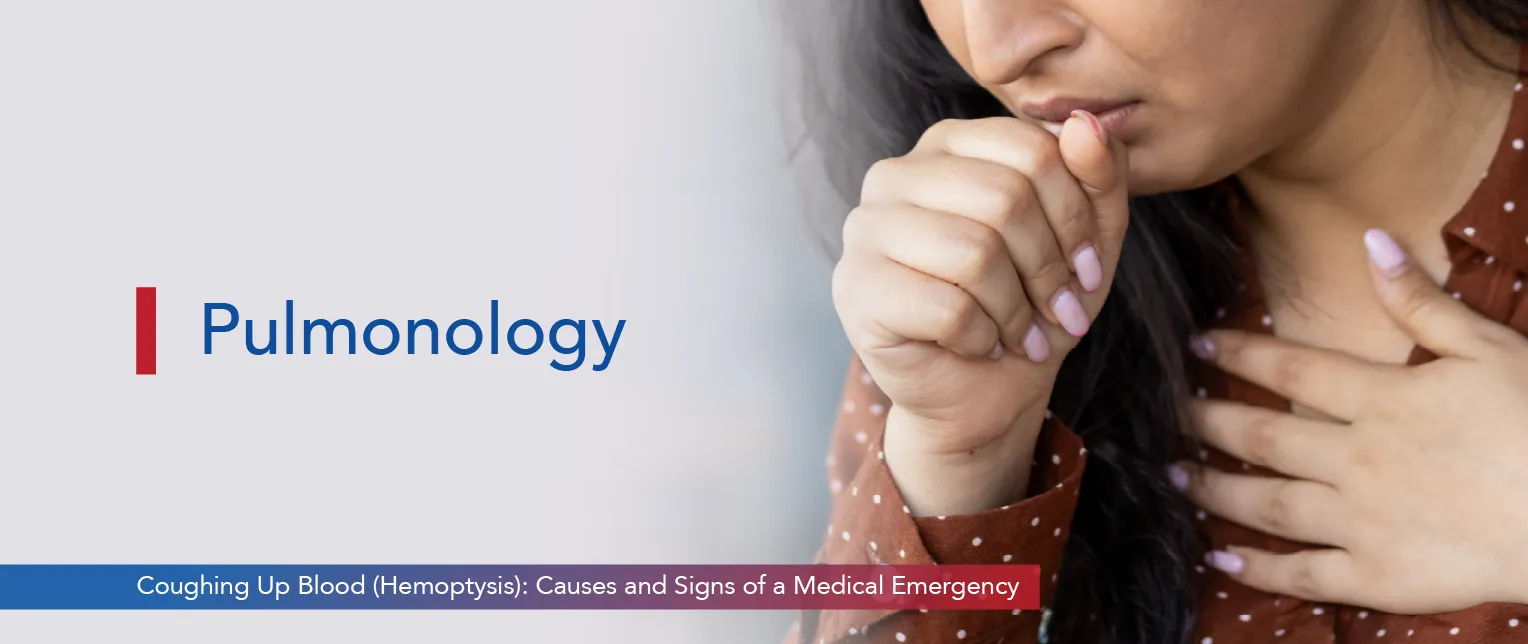
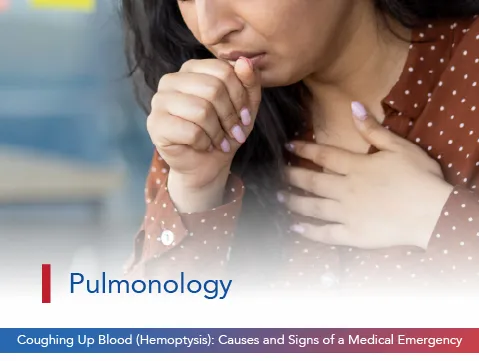
Could a small amount of blood in your cough be harmless to irritation, or could it indicate a serious underlying lung condition? Coughing blood, medically known as hemoptysis, can range from mild streaks of blood in mucus to more significant bleeding from the respiratory tract. While slight blood in the cough may sometimes result from throat irritation or infection, persistent or heavy bleeding should never be ignored.
Respiratory diseases continue to be a major health concern in India, with lung infections, tuberculosis, chronic smoking-related diseases, and pollution contributing to rising pulmonary complications.
Hemoptysis refers to coughing up blood or blood-stained mucus from the lungs or respiratory tract. The blood may appear bright red, pink, frothy, or mixed with phlegm.
In some individuals, coughing up blood may occur only once, while others may experience repeated episodes. The amount of blood can vary from slight blood in cough mucus to significant bleeding requiring emergency treatment.
It is important to identify whether the bleeding is truly from the lungs or from the nose, throat, stomach, or gums.
Chest infections, bronchitis, pneumonia, and tuberculosis can irritate the airways and cause blood in phlegm from the throat or lungs.
Long-term airway inflammation, especially in smokers, may cause coughing and bloody sputum.
Tuberculosis remains one of the important causes of bloody cough, particularly in regions where TB is common.
Persistent coughing up blood in older adults or smokers may sometimes indicate lung cancer and require immediate evaluation.
This condition causes widening and damage of the airways, increasing the risk of mucus buildup and bleeding.
Blood clots in the lungs may cause sudden coughing, chest pain, and breathing difficulty.
Occasionally, forceful coughing may cause minor bleeding due to irritation of small blood vessels.
Not every episode of bloody cough mucus indicates a medical emergency. However, certain warning signs should never be ignored.
You should seek immediate medical attention if coughing blood is associated with:
Even slight blood in a cough should be evaluated by a doctor if it occurs repeatedly.
Coughing blood symptoms often vary depending on the underlying condition.
Common associated symptoms include:
These symptoms may help doctors more accurately identify the cause of hemoptysis.
Sometimes, individuals notice blood in phlegm from the throat due to irritation, inflammation, or infection affecting the upper respiratory tract.
Possible causes include:
However, repeated bleeding should always be properly investigated to rule out lung-related causes.
The severity of coughing up blood depends on the amount of bleeding and the underlying cause.
Small streaks of blood mixed with mucus may sometimes occur due to infections or throat irritation.
Larger amounts of bleeding may indicate serious lung disease and can sometimes interfere with breathing.
Massive hemoptysis is considered a medical emergency because it may block airways and reduce oxygen supply.
Doctors use several tests to identify the source and cause of bleeding.
Doctors assess smoking history, infection symptoms, medications, and respiratory conditions.
This helps detect infections, lung abnormalities, or tumours.
A CT scan provides detailed imaging of the lungs and airways.
A thin camera tube may be inserted into the airways to identify the source of bleeding.
Blood investigations help assess infection, clotting disorders, and overall health.
Mucus samples may be tested for infections such as tuberculosis.
Early diagnosis is important to prevent worsening respiratory complications.
Hemoptysis treatment depends on the underlying cause and severity of bleeding.
Medications
Doctors may prescribe:
Bronchoscopy may help control bleeding within the airways.
Patients with breathing difficulty may require oxygen therapy.
In severe cases, surgery may be necessary to remove damaged lung tissue or treat tumours.
Massive coughing with blood may require intensive monitoring and urgent respiratory management.
Certain healthy habits may help protect lung health and reduce respiratory complications.
Smoking damages the lungs and significantly increases the risk of chronic respiratory disease.
Untreated chest infections may worsen and contribute to coughing up blood.
Reducing exposure to pollution, dust, and irritants helps protect lung function.
Vaccinations for flu and pneumonia may reduce the risk of severe respiratory infections.
You should consult a specialist if you experience:
Early evaluation helps identify serious lung conditions before complications develop.
Hemoptysis, or coughing up blood, can occur due to infections, chronic lung disease, throat irritation, or more serious respiratory conditions. While slight blood in cough may occasionally result from mild irritation, repeated blood coming in cough or large amounts of blood in cough mucus should never be ignored.
Timely diagnosis and appropriate medical care are essential for protecting lung health and preventing respiratory emergencies. Individuals experiencing persistent coughing up blood or blood-tinged phlegm from the throat should seek expert care at a trusted Pulmonology Hospital in Bangalore.
Consulting with an experienced Pulmonologist in Bangalore can help ensure accurate diagnosis, effective treatment, and better long-term respiratory health outcomes.
Hemoptysis is the medical term used for coughing up blood or blood-stained mucus from the lungs or respiratory tract.
Common causes include respiratory infections, tuberculosis, chronic bronchitis, lung cancer, pulmonary embolism, and airway irritation from excessive coughing.
Slight blood in the cough may sometimes occur due to irritation or infection, but repeated episodes should always be medically evaluated.
Coughing up large amounts of blood, difficulty breathing, chest pain, dizziness, or rapid bleeding requires immediate emergency medical attention.
Yes, throat infections, severe coughing, and nasal bleeding can sometimes cause small amounts of blood in the phlegm.
Categories: Pulmonology





Coughing Up Blood (Hemoptysis): Causes and Signs of a Medical Emergency is available for appointments. Please fill the below form to book an appointment.
Unlock the door to exceptional healthcare, book an appointment with SPARSH Hospital and let your journey to wellness begin.
Copyright © 2026 SPARSH Hospital, A Unit of Shiva & Shiva Orthopaedic Hospital Pvt Ltd.






 Live Chat