Published in : ENT | April 30, 2026 |
 Medically Reviewed
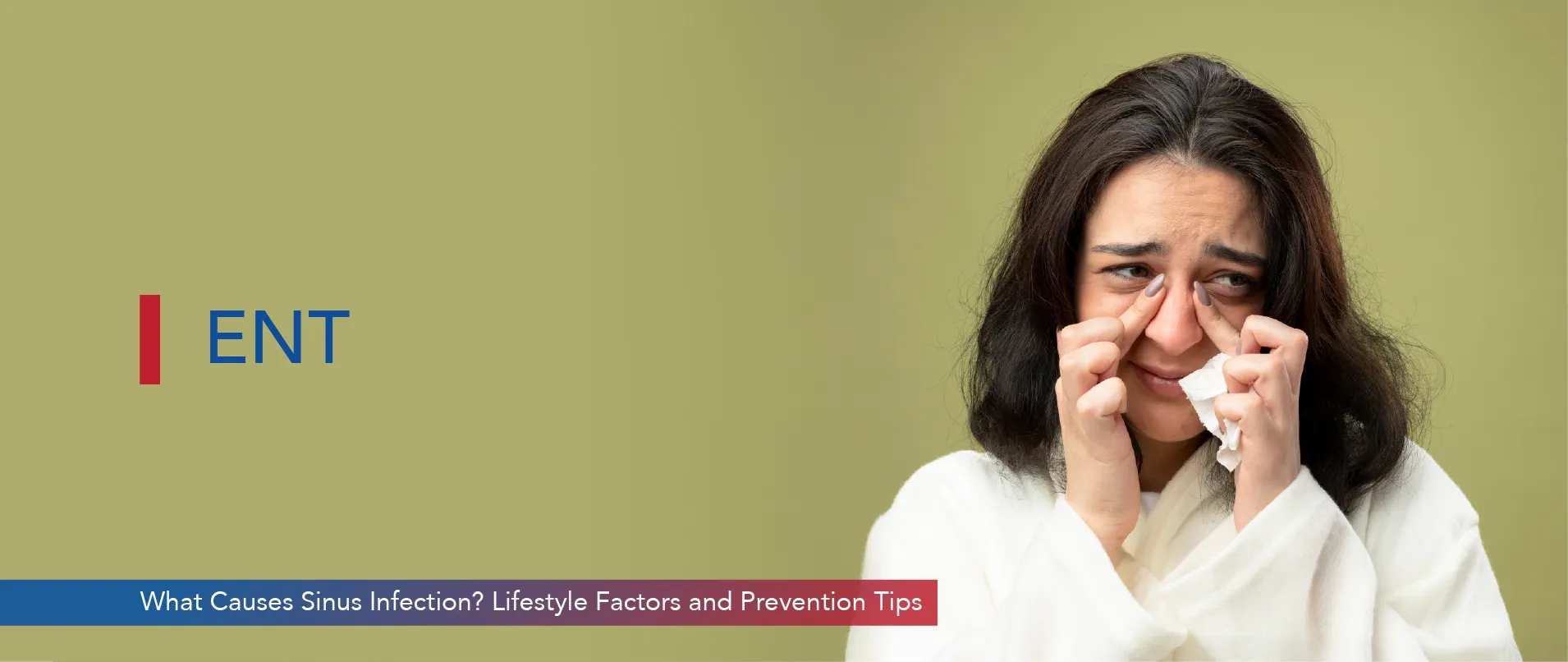
That constant pressure around your eyes… the blocked nose that won’t clear… and a headache that lingers longer than a typical cold, sounds familiar?
These are often signs of a sinus infection, a condition many people experience but frequently overlook.
In India, nearly 1 in 8 individuals experience sinus-related issues, and chronic sinusitis affects around 12–15% of the population. Increasing air pollution, changing weather patterns, and modern lifestyle habits have made sinus issues more common than ever.
What makes it challenging is that a sinus infection often feels similar to a cold or an allergy at first. However, when symptoms persist or worsen, it may indicate underlying inflammation in the sinus cavities.
Therefore, identifying early warning signs, understanding the causes of sinus infections, and taking the right preventive steps can help avoid long-term discomfort and complications.
A sinus infection, also known as sinusitis, occurs when the tissue lining the sinuses becomes inflamed or infected. This inflammation blocks normal drainage, leading to mucus buildup and discomfort.
If you are wondering what a sinus problem is, it refers to inflammation of the sinus cavities that affects breathing and causes pressure around the face.
Sinus infections may be caused by viruses, bacteria, or allergies, depending on the underlying condition.
Sinuses are air-filled spaces located within the bones of the face and skull. They are connected to the nasal passages and play an important role in respiratory health.
Their functions include:
When these sinuses become blocked, it can lead to infection and discomfort.
Sinus infections can be classified based on duration and severity. Common types include:
Therefore, identifying the type helps determine the appropriate treatment approach.
It can be difficult to distinguish between sinusitis, a cold, or allergies, as symptoms often overlap.
Key differences include:
If symptoms last longer than 10 days or worsen over time, it may indicate a sinus infection.
Recognising early signs of a sinus infection can help prevent complications. These include:
There are several reasons for sinus infection, including:
Additionally, exposure to pollution and dust can act as sinus triggers, worsening symptoms.
Certain factors can increase susceptibility to sinus issues:
Moreover, lifestyle habits such as poor sleep and stress may contribute indirectly.
Doctors diagnose a sinus infection through clinical evaluation and, if necessary, diagnostic tests.
Common methods include:
These tests help confirm the diagnosis and rule out other conditions.
Doctors may recommend:
Additionally, simple remedies can help manage symptoms:
Therefore, combining medical treatment with home care provides better relief.
Effective sinusitis prevention involves reducing exposure to triggers and maintaining good hygiene.
Key prevention tips include:
Moreover, identifying the cause of sinus in your case can help prevent recurrence.
A sinus infection can significantly affect daily life if left untreated. From mild discomfort to persistent sinus issues, recognising symptoms and understanding the causes of sinus infections is essential for timely care. Identifying the causes of sinus infection, including environmental and lifestyle factors, helps manage the condition effectively.
Being aware of common sinus triggers and adopting sinusitis prevention strategies can reduce the risk of recurrence. If you often wonder what a sinus problem is or why sinus problems happen, consulting a specialist can provide clarity and personalised care.
At Sparsh Hospital, a leading ENT Hospital in Bangalore, patients receive expert diagnosis and treatment for various sinus conditions. If you are looking for experienced ENT Specialists in Bangalore, early consultation can help manage symptoms effectively and improve long-term respiratory health.
A sinus infection is inflammation of the sinus lining, leading to blocked passages, mucus buildup, and symptoms such as congestion and facial pain.
Common causes include viral infections, bacterial infections, allergies, and environmental irritants such as dust and pollution.
Sinusitis symptoms last longer than 10 days and include facial pain and thick nasal discharge, while a cold usually resolves within a week.
Yes, mild sinus infections often resolve on their own. However, persistent or severe cases may require medical care.
You can prevent sinus infections by avoiding allergens, maintaining good hygiene, staying hydrated, and effectively managing underlying allergies
Categories: ENT











What Causes Sinus Infection? Lifestyle Factors and Prevention Tips is available for appointments. Please fill the below form to book an appointment.
Unlock the door to exceptional healthcare, book an appointment with SPARSH Hospital and let your journey to wellness begin.
Copyright © 2026 SPARSH Hospital, A Unit of Shiva & Shiva Orthopaedic Hospital Pvt Ltd.






 Live Chat