Published in : Cardiac Sciences | April 27, 2026 |
 Medically Reviewed

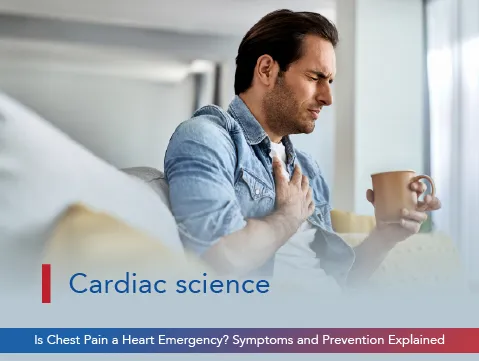
Could chest pain be a warning sign of a serious heart emergency? While not every episode of chest pain indicates a heart attack, certain symptoms should never be ignored. Many people delay seeking medical help because they assume the discomfort will pass or is related to digestion or fatigue. However, recognising early warning signs can be critical for protecting heart health.
Chest pain is one of the most common reasons people seek emergency medical care. The causes can range from mild muscular strain to serious cardiovascular conditions. Therefore, understanding chest pain symptoms, possible triggers, and when to seek medical attention is essential for preventing life-threatening complications.
This article explains the major causes of chest pain, common reasons for chest pain, warning signs of heart emergencies, and practical steps to prevent them.
Chest pain refers to discomfort or pressure in the chest. The sensation may vary in intensity and location depending on the underlying cause.
Doctors often evaluate the type of chest pain to determine whether it is related to the heart, lungs, digestive system, or muscles. For example, chest pain in the middle that feels like pressure or squeezing may indicate reduced blood flow to the heart.
Some individuals may experience chest pain on both sides, while others may notice upper chest pain or discomfort radiating to the arms, neck, or jaw. Identifying these patterns helps physicians understand why chest pain occurs and determine the appropriate treatment.
Chest pain can occur for several reasons, and not all causes are related to heart disease. However, identifying potential causes of chest pain is essential for early diagnosis.
Some of the most common reasons for chest pain include:
Understanding the causes of chest pain helps doctors determine whether immediate treatment is necessary.
Certain chest pain symptoms may signal a serious cardiac condition and require immediate medical attention. Recognising these warning signs can help prevent complications.
Key symptoms include:
Some individuals may also experience chest pain on both sides of the chest or upper chest pain accompanied by fatigue. These symptoms should not be ignored, especially in individuals with risk factors such as diabetes, hypertension, or smoking.
Not all types of chest pain indicate a heart attack, but certain patterns require immediate evaluation.
Emergency medical care should be sought if:
People sometimes ignore chest pain because they assume it’s temporary. However, early diagnosis and treatment significantly improve survival rates in heart emergencies.
Preventing serious chest pain often involves improving overall cardiovascular health. Lifestyle changes can significantly reduce the risk of heart disease.
Important preventive strategies include:
Eating a balanced diet rich in fruits, vegetables, whole grains, and healthy fats supports cardiovascular health.
Moderate exercise helps strengthen the heart and improve circulation.
Regular health screenings help identify risk factors early and prevent heart complications.
Smoking damages blood vessels and significantly increase the risk of heart disease.
Chronic stress may contribute to heart problems. Therefore, relaxation techniques and adequate sleep are important.
Regular medical check-ups can help identify risk factors for chest pain before they lead to serious conditions.
Being aware of chest pain symptoms can help individuals respond quickly to potential emergencies.
Some helpful steps include:
Timely recognition of warning signs and immediate medical evaluation are vital for reducing the risk of major cardiac complications.
Chest pain should never be ignored, particularly when it appears suddenly or is accompanied by other warning signs. While many chest pain reasons are not life-threatening, certain chest pain symptoms may indicate a serious heart condition requiring immediate medical attention.
Recognising the different types of chest pain and understanding why chest pain occurs can help individuals seek timely medical care and prevent complications. Early diagnosis and appropriate treatment are crucial for protecting long-term heart health.
For individuals seeking expert cardiac care, Sparsh Hospital, a leading Cardiology Hospital in Bangalore, provides comprehensive heart care supported by advanced diagnostics and experienced specialists. Consulting an experienced Cardiologist in Bangalore ensures accurate evaluation, early detection of heart conditions, and personalised treatment plans for maintaining optimal cardiovascular health.
Common causes of chest pain include heart conditions such as angina, digestive problems like acid reflux, respiratory infections, and musculoskeletal injuries affecting the chest muscles or ribs.
Chest pain symptoms associated with heart conditions often include pressure in the chest, pain spreading to the arms or jaw, shortness of breath, and sweating.
Pain in the middle of the chest may be caused by reduced blood flow to the heart, acid reflux, muscle strain, or lung-related conditions.
Upper chest pain is not always related to heart disease. It may also result from muscle strain, respiratory infections, or digestive issues.
Yes, chest pain on both sides may occur due to muscular strain, lung conditions, or heart-related issues. A healthcare professional should evaluate persistent symptoms.
Categories: Cardiac Sciences






Is Chest Pain a Heart Emergency? Symptoms and Prevention Explained is available for appointments. Please fill the below form to book an appointment.
Unlock the door to exceptional healthcare, book an appointment with SPARSH Hospital and let your journey to wellness begin.
Copyright © 2026 SPARSH Hospital, A Unit of Shiva & Shiva Orthopaedic Hospital Pvt Ltd.






 Live Chat