Published in : Cosmetology | November 19, 2026 |
 Medically Reviewed
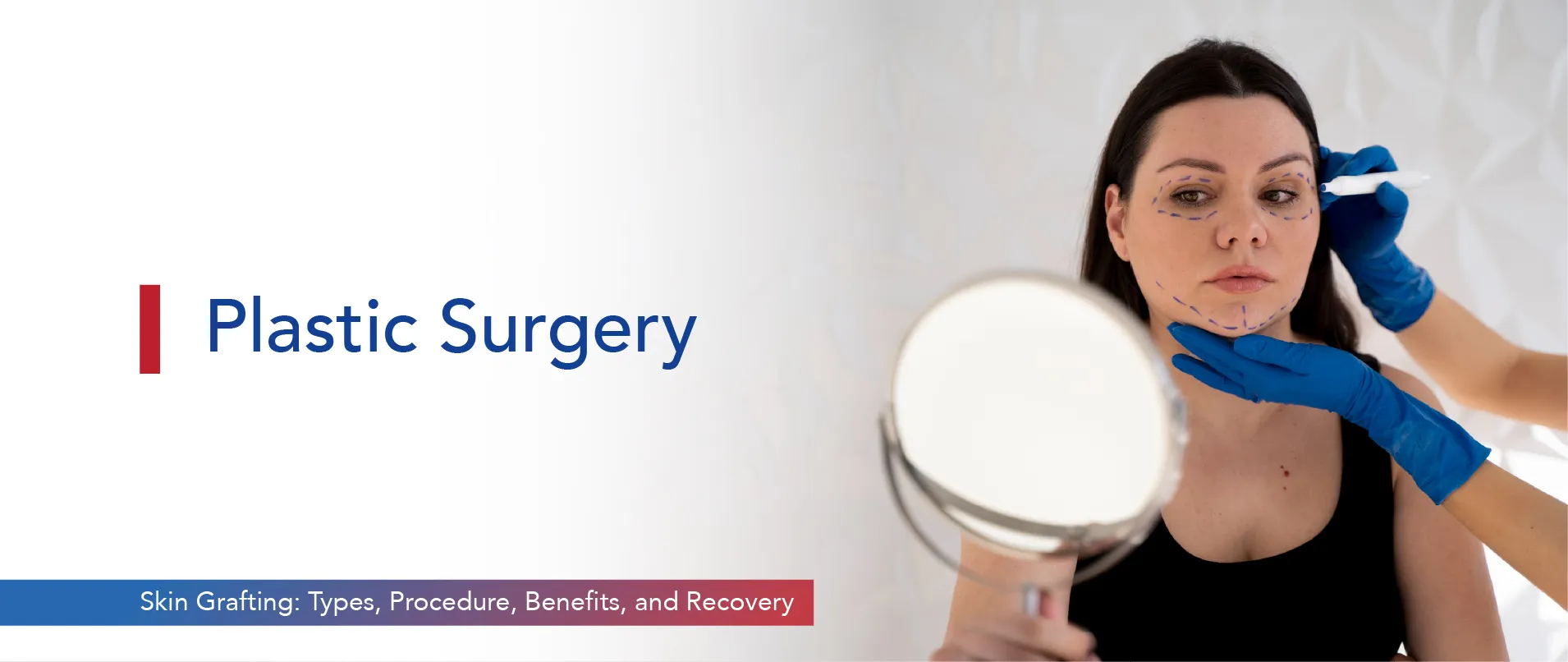
Our skin is the body’s largest organ and plays a vital role in protecting us from infections, injuries, and environmental damage. However, severe burns, traumatic injuries, chronic wounds, infections, or skin loss following surgery can leave areas where the skin cannot heal on its own.
A skin graft is a surgical procedure in which healthy skin is taken from one part of the body and transplanted to another area that has lost its skin.
Advances in reconstructive and plastic surgery have made the skin grafting procedure safer and more effective, helping patients recover faster while improving both function and appearance.
In this article, we’ll explain what skin grafts are, the different types, how they’re performed, their benefits, and what to expect during skin graft healing and recovery.
A skin graft is a surgical technique used to cover areas where the skin has been damaged or lost. During the procedure, healthy skin is removed from a donor site on the patient’s body and transplanted to the affected area, known as the recipient site.
The graft provides a protective covering that supports wound healing, reduces the risk of infection, and promotes the growth of healthy tissue.
Depending on the wound size, depth, and location, plastic surgeons select the most appropriate type of graft to achieve optimal functional and cosmetic outcomes.
There are different types of skin grafts, and the choice depends on the extent of the injury and the area being treated.
A split-thickness graft includes the outer layer of skin (epidermis) and part of the underlying dermis. It is commonly used for burns, large wounds, and skin loss because it heals relatively quickly and can cover larger areas.
A full-thickness graft contains both the epidermis and the entire dermis. It is usually recommended for smaller wounds on visible areas such as the face, neck, or hands, where achieving a better cosmetic appearance is important.
Composite grafts include skin along with other tissues such as cartilage or fat. These are typically used in specialised reconstructive procedures involving areas like the nose or ears.
Doctors may recommend skin grafting when a wound is unlikely to heal naturally or when there is significant skin loss.
Common situations include:
The decision to perform a skin graft depends on the wound’s size, location, and depth, as well as the patient’s overall health.
The skin grafting procedure begins with careful assessment of both the wound and the donor site. After administering anaesthesia, the surgeon removes healthy skin from a suitable area of the body, such as the thigh, buttocks, or the back of the ear.
The harvested skin is then carefully placed over the wound and secured with stitches, staples, or specialised dressings. The graft must establish a new blood supply from the surrounding tissue for successful healing. Both the donor site and the grafted area are dressed to protect them during recovery.
A successful skin grafting procedure offers several important benefits beyond simply covering the wound.
It helps protect exposed tissues, reduces the risk of infection, and promotes faster wound healing. Skin grafts can also improve mobility by preventing excessive scar contracture around joints and may enhance the cosmetic appearance of the affected area.
For patients recovering from burns, trauma, or reconstructive surgery, skin grafting often plays a key role in restoring both function and confidence.
Successful skin graft healing depends on proper wound care and following your surgeon’s instructions. During the first few days, the graft gradually develops a blood supply from the surrounding tissue. Patients are advised to avoid unnecessary movement that may disturb the graft during this critical period.
The donor site also requires care and usually heals within a few weeks, depending on the type of graft used. Swelling, mild discomfort, and changes in skin colour are common during the early stages of recovery and generally improve over time.
While initial healing often occurs within two to three weeks, complete recovery and scar maturation may take several months. Regular follow-up appointments allow the surgeon to monitor healing and address any concerns promptly.
Proper postoperative care is essential for achieving the best results after skin grafting.
Patients should:
Good wound care significantly improves graft survival and reduces the risk of complications.
A skin graft is an effective reconstructive procedure that helps restore damaged skin, promote wound healing, and improve both function and appearance after burns, injuries, or surgery. Advances in plastic and reconstructive surgery have made the skin grafting procedure increasingly successful, allowing many patients to recover more comfortably and return to their daily activities.
If you have a wound that is not healing or have been advised to undergo skin grafting, consult an experienced Plastic Surgeon in Bangalore. At a leading Plastic Surgery Hospital in Bangalore, specialists provide personalised treatment plans and comprehensive postoperative care to help ensure the best possible recovery.
During the skin grafting procedure, healthy skin is taken from a donor site and placed over the wound. The graft is secured and allowed to heal by developing a new blood supply.
Initial skin graft healing usually takes about two to three weeks. Complete healing and scar maturation may take several months, depending on the wound and the patient’s overall health.
The skin graft procedure may be minor or major, depending on the wound’s size and location. Your surgeon will explain the procedure, expected recovery, and any associated risks.
Consult a Plastic Surgeon in Bangalore if you have severe burns, traumatic wounds, chronic ulcers, or skin loss that cannot heal naturally. Early treatment often leads to better healing outcomes.
Categories: Cosmetology


Skin Grafting: Types, Procedure, Benefits, and Recovery is available for appointments. Please fill the below form to book an appointment.
Unlock the door to exceptional healthcare, book an appointment with SPARSH Hospital and let your journey to wellness begin.
Copyright © 2026 SPARSH Hospital, A Unit of Shiva & Shiva Orthopaedic Hospital Pvt Ltd.






 Live Chat