Published in : Cosmetology | June 14, 2026 |
 Medically Reviewed
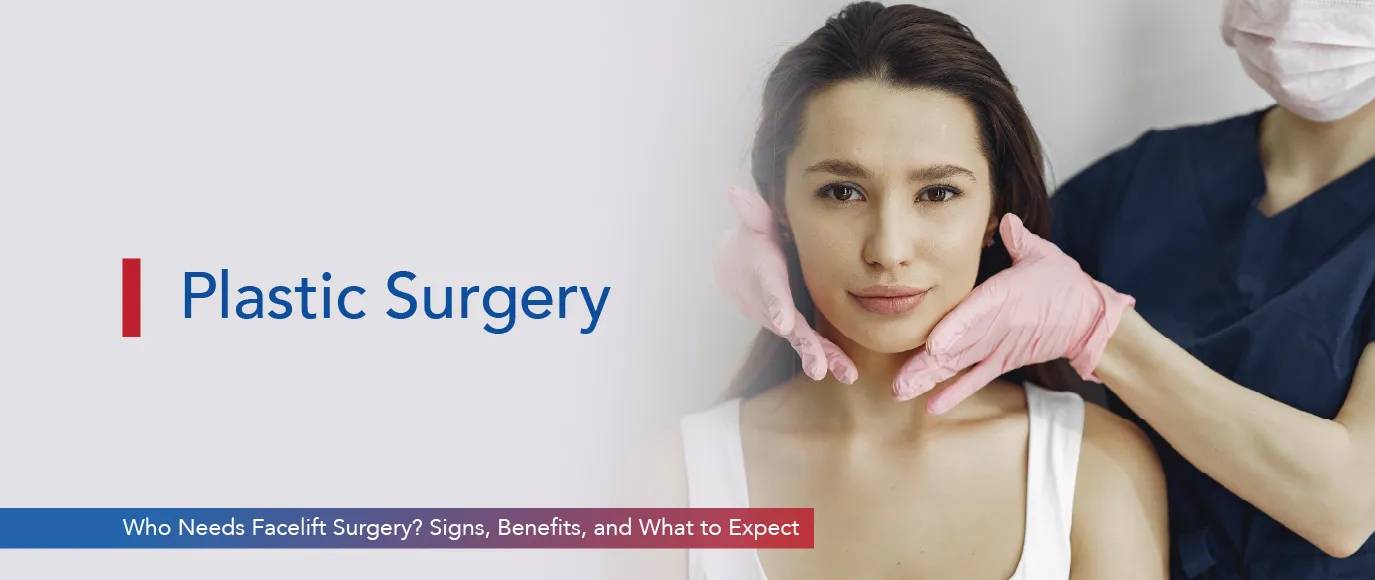
When people think about ageing, the first changes they often notice are not wrinkling, but the gradual loss of facial definition, firmness, and skin elasticity. A once-defined jawline may begin to sag, smile lines may appear deeper, and the face may start looking tired even after proper rest. Studies show that collagen production decreases by nearly 1% each year after age 20, which can naturally affect the skin’s structure and appearance over time.
While skincare treatments and cosmetic procedures may temporarily improve surface-level concerns, they may not always address deeper tissue laxity. Therefore, many individuals explore facelift surgery as a long-term option to restore facial contours and achieve a more refreshed appearance. Understanding facelift (rhytidectomy), who may benefit from it, and what recovery entails can help patients make informed, realistic decisions about facial rejuvenation.
A facelift, medically known as facelift rhytidectomy, is a cosmetic surgical procedure designed to reduce visible signs of facial ageing. The procedure focuses on tightening underlying facial tissues, removing excess skin, and improving facial contours for a smoother appearance.
Many people ask what rhytidectomy is, and how does it differ from temporary cosmetic treatments. Unlike injectables or skin-tightening procedures, rhytidectomy addresses more substantial structural changes in the face and neck. Therefore, the results are generally more noticeable and long-lasting.
Not everyone experiencing facial ageing requires surgery. However, some individuals may benefit significantly from facelift, especially when non-surgical treatments no longer provide noticeable improvement.
People commonly consider facelift surgery when they notice:
Additionally, individuals in good overall health with realistic expectations are generally considered suitable candidates for surgery.
Facial ageing develops gradually, but certain changes often become more noticeable with time.
Common signs include:
Some patients initially try non-invasive face-tightening treatments to manage early signs of ageing. However, moderate to severe skin laxity may respond better to surgical correction.
A common question patients ask is, how do facelifts work. The procedure works by repositioning deeper facial tissues and tightening loose skin to improve overall facial structure and contour.
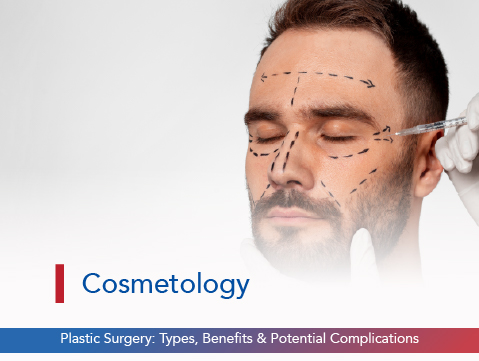
During the facelift procedure, surgeons usually make carefully placed incisions around the hairline and ears to reduce visible scarring. The deeper facial muscles and tissues are tightened, excess skin is removed, and the remaining skin is repositioned smoothly.
Additionally, some procedures may include fat redistribution or neck contouring to achieve balanced, natural-looking results.
A traditional facelift addresses moderate to advanced ageing involving the cheeks, jawline, and neck.
A mini facelift is generally recommended for mild to moderate sagging and usually involves smaller incisions and a shorter recovery.
Some patients combine neck-tightening procedures with facelift surgery to improve the lower facial and neck contours.
Patients with mild skin laxity may consider non-invasive face-tightening treatments such as ultrasound or radiofrequency. These procedures may provide temporary improvement but generally cannot achieve the same structural correction as surgery.
Many individuals choose facelift surgery because it can improve facial appearance while maintaining natural expressions.
However, it is important to understand that surgery improves signs of ageing but does not stop the natural ageing process.
Before a facelift operation, patients undergo a detailed consultation and evaluation.
Doctors usually assess:
Patients may also receive instructions regarding medications, diet, smoking cessation, and post-surgery preparation.
During the facelift procedure, patients are usually given anaesthesia to ensure comfort throughout surgery. The surgeon then lifts and repositions facial tissues to reduce sagging and improve contour.
The duration of facelift surgery depends on the complexity of the treatment and whether additional cosmetic procedures are combined.
Understanding facelift recovery time helps patients prepare realistically for healing and post-surgical care.
Most patients experience swelling, bruising, tightness, and mild discomfort during the first few days after surgery. The average rhytidectomy recovery time generally ranges between two and four weeks for visible healing, although complete recovery may take longer.
Additionally, the final results gradually become more noticeable as swelling resolves.
During recovery, patients are usually advised to:
Following recovery guidelines carefully support smoother healing and better outcomes.
Like any surgical procedure, rhytidectomy surgery involves certain risks and complications.
However, these complications are generally less common when surgery is performed by experienced specialists, and proper aftercare is followed.
Many patients wonder whether facelift results are permanent. Although ageing continues naturally, results from facelift surgery often remain visible for several years.
Additionally, healthy lifestyle habits such as maintaining skincare routines, avoiding smoking, and protecting skin from sun damage may help prolong results.
Understanding facelift rhytidectomy, recognizing early signs of facial ageing, and learning how facelifts work can help individuals make informed cosmetic treatment decisions. Whether exploring non-invasive face tightening, considering a face-lifting operation, or learning about rhytidectomy, professional guidance remains essential for selecting the right treatment approach.
From understanding the facelift procedure to preparing facelift recovery time and rhytidectomy recovery time, patients benefit from realistic expectations and personalized care planning. At Sparsh Hospital, a leading Plastic Surgery Hospital in Bangalore, experienced specialists provide advanced cosmetic procedures and patient-focused treatment. Consulting a qualified Cosmetic Surgeon in Bangalore helps ensure safe care, natural-looking outcomes, and comprehensive recovery support.
Facelift rhytidectomy is a cosmetic surgical procedure that tightens facial tissues and removes excess skin to reduce visible signs of ageing.
Most patients recover visibly within 2 to 4 weeks, although complete healing and final results may continue to improve over several months.
Facelifts work by repositioning deeper facial tissues, tightening loose skin, and improving facial contours, resulting in a smoother, more youthful appearance.
Non-surgical treatments may temporarily improve mild skin laxity, but facelift surgery usually provides more noticeable and long-lasting corrections.
Individuals with facial sagging and loose skin who are in good overall health may benefit from facelift surgery after a proper medical evaluation and consultation.
3 Mins Read
Categories: Cosmetology






Who Needs Facelift Surgery? Signs, Benefits, and What to Expect is available for appointments. Please fill the below form to book an appointment.
Unlock the door to exceptional healthcare, book an appointment with SPARSH Hospital and let your journey to wellness begin.
Copyright © 2026 SPARSH Hospital, A Unit of Shiva & Shiva Orthopaedic Hospital Pvt Ltd.






 Live Chat