Published in : Cosmetology | July 16, 2026 |
 Medically Reviewed
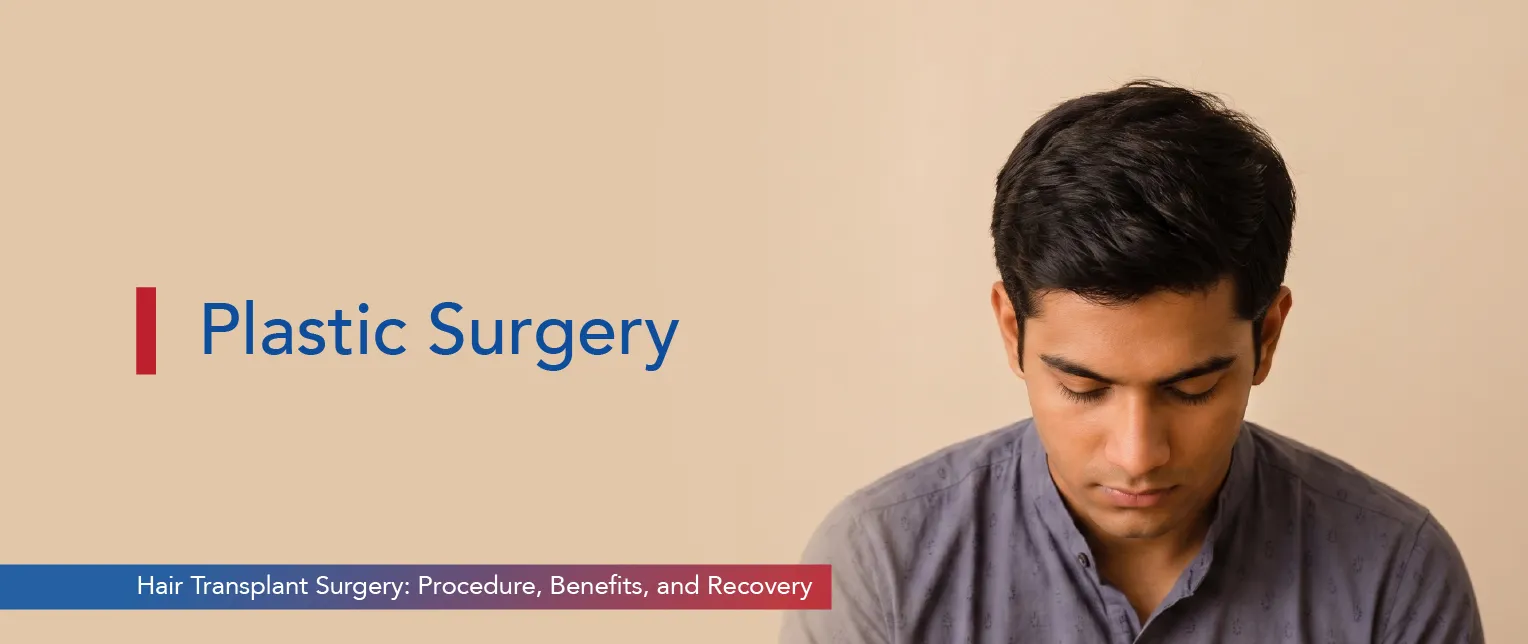
Hair loss can affect confidence, appearance, and emotional well-being at any age. Studies suggest that nearly 50% of men experience noticeable hair loss by the age of 50. At the same time, many women also experience hair thinning due to hormonal changes, stress, nutritional deficiencies, or medical conditions.
With increasing awareness about cosmetic and reconstructive treatments, hair transplant surgery has become one of the most performed procedures worldwide.
Modern techniques now offer natural-looking results with improved recovery and long-term hair growth outcomes. In this blog, we will discuss how hair transplants work, the hair transplant procedure, its benefits and risks, the recovery process, and important factors to consider before undergoing treatment.
Hair transplant surgery is a cosmetic procedure used to restore hair growth in areas affected by hair thinning or baldness. The procedure involves moving healthy hair follicles from one part of the scalp, usually the back or sides of the head, to areas experiencing hair loss.
The treatment is commonly recommended for individuals experiencing:
Advancements in hair loss surgery techniques have made the procedure more precise, minimally invasive, and capable of delivering natural-looking results.
Many people often ask, “How do hair transplants work?” The procedure works by relocating healthy hair follicles that are resistant to hair loss into bald or thinning areas.
Once transplanted, these follicles continue to grow hair naturally over time. The newly transplanted hair usually sheds initially before new growth begins within a few months.
The success of the procedure depends on factors such as:
The hair transplant procedure is usually performed under local anaesthesia and may take several hours depending on the number of grafts required.
Before surgery, the surgeon evaluates:
Healthy hair follicles are collected from the donor area using one of the following methods:
In FUE, individual hair follicles are extracted directly from the scalp using specialised instruments.
In FUT, a strip of scalp containing healthy hair follicles is removed and divided into smaller grafts.
The surgeon carefully places the grafts into the thinning or bald areas while maintaining the natural hairline and direction of growth.
A common concern among patients is, “Do hair implants grow naturally?” Yes, transplanted hair follicles usually continue to grow naturally after the healing process.
However, visible results may take time. Most patients notice:
Transplanted hair can usually be washed, cut, and styled like natural hair.
Hair transplant surgery offers several cosmetic and emotional benefits for suitable candidates.
Modern transplantation techniques create a more natural hairline and hair density.
Unlike temporary treatments, transplanted follicles often continue growing permanently.
Restoring hair growth may improve confidence, social comfort, and emotional well-being.
Once the hair replacement process is complete and healing occurs, ongoing maintenance is minimal.
Hair transplantation can help improve facial balance and overall appearance.
Like any surgical procedure, hair transplant surgery may involve certain temporary side effects.
Common hair transplant side effects include:
These symptoms usually improve within a few days or weeks of surgery.
Although complications are relatively uncommon, patients should still understand the possible side effects hair transplant surgery may involve.
Rare complications may include:
Choosing an experienced surgical team and following aftercare instructions carefully can help reduce these risks.
Patients should also understand the potential risks of hair transplantation before deciding on treatment.
Factors affecting results include:
In some cases, multiple sessions may be required for the desired density and coverage.
Recovery after hair loss surgery is usually gradual and manageable for most patients.
First few days
Patients may experience mild scalp swelling, discomfort, or tightness.
First few weeks
Tiny scabs form around transplanted follicles and gradually fall off.
First few months
Temporary shedding may occur before new hair growth begins.
Long-term recovery
Noticeable improvement develops gradually over several months.
Doctors often recommend:
Proper aftercare plays an important role in achieving successful results.
Hair transplant surgery may be suitable for individuals who:
A detailed medical evaluation helps determine whether the procedure is appropriate.
Hair transplant surgery has become an effective solution for individuals experiencing hair thinning, baldness, or receding hairlines. While the hair replacement process offers long-term cosmetic benefits, choosing experienced specialists and following proper aftercare are essential for successful outcomes.
Individuals considering hair loss surgery or wanting to understand hair transplant risks and whether hair implants grow naturally should seek expert medical guidance from a trusted Plastic Surgery Hospital in Bangalore. Proper evaluation, realistic expectations, and personalised treatment planning can help achieve safe, natural-looking, and long-lasting results.
Hair transplants work by moving healthy hair follicles from one part of the scalp to bald or thinning areas to restore natural hair growth.
Yes, transplanted hair follicles usually continue growing permanently after successful healing and proper scalp recovery.
Common hair transplant side effects include swelling, redness, mild pain, itching, and temporary shedding of transplanted hair.
Most patients recover within a few weeks, while visible hair growth and final results may take several months to fully develop.
Hair transplant surgery is generally considered safe when performed by qualified specialists using proper surgical techniques and post-operative care.
3 Mins Read
Categories: Cosmetology



Hair Transplant Surgery: Procedure, Benefits, and Recovery is available for appointments. Please fill the below form to book an appointment.
Unlock the door to exceptional healthcare, book an appointment with SPARSH Hospital and let your journey to wellness begin.
Copyright © 2026 SPARSH Hospital, A Unit of Shiva & Shiva Orthopaedic Hospital Pvt Ltd.






 Live Chat