Published in : Cardiac Sciences | June 11, 2026 |
 Medically Reviewed
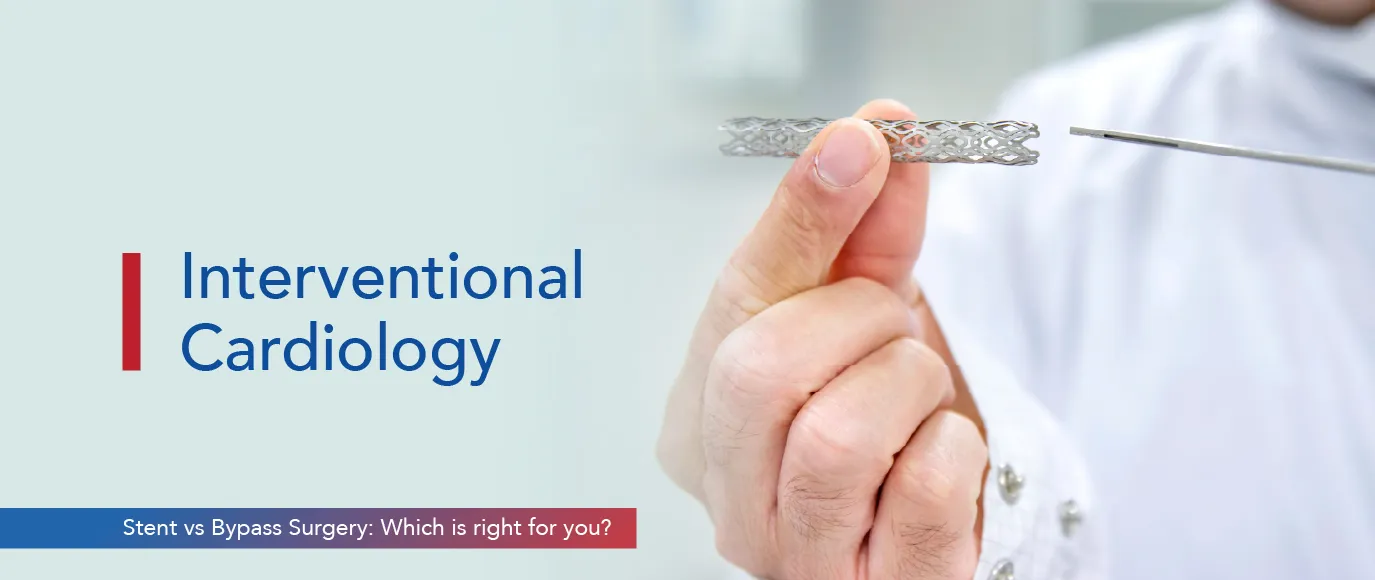
A diagnosis of blocked heart arteries often comes without warning, but it demands an immediate decision. In that moment, when your doctor discusses stent vs bypass, it is not just about choosing a procedure; it is about choosing the path your recovery will take.
Should you choose a minimally invasive option for quicker relief, or a more extensive surgery for long-term outcomes? The answer is rarely straightforward. Every heart condition is different, and so is every patient’s journey.
Moreover, with increasing cases of cardiovascular disease in cities like Bangalore, understanding your treatment options has never been more important. Knowing the difference between these procedures, their benefits, risks, and long-term impact can help you feel more in control during an otherwise overwhelming time.
Therefore, this blog breaks down stents vs bypass surgery, helping you decide which is better and giving you the clarity you need to make a confident, informed decision alongside your cardiologist.
The comparison of stent vs bypass lies in how each procedure restores blood flow to the heart.
A stent for heart blockage is a small mesh tube placed inside a narrowed artery during angioplasty. The stent used in angioplasty helps keep the artery open and improves circulation.
In contrast, bypass surgery involves creating a new route for blood to flow around blocked arteries using vessels from other parts of the body.
Key Differences:
Therefore, deciding between a stent and a bypass depends on the nature and severity of your condition.
Patients often wonder when a stent is needed and why it is used in heart treatment.
A stent is typically recommended when:
Important considerations:
Additionally, stents provide quick relief of symptoms such as chest pain and improve blood flow.
Understanding the types of bypass surgery helps clarify when this treatment is preferred over stents in the stent vs bypass decision.
Common Types:
Bypass surgery is generally recommended when:
Hence, in many complex cases, bypass surgery may be the more suitable option in the stent vs bypass discussion.
Knowing what happens during and after each procedure can make the stent vs bypass choice less daunting.
Stent Procedure:
Bypass Surgery:
Moreover, both procedures require long-term lifestyle changes to prevent further heart complications.
When evaluating stent vs bypass, long-term outcomes are a significant factor.
Benefits of Stents:
Benefits of Stents:
Benefits of Bypass Surgery:
However, stents may sometimes require additional interventions over time. Therefore, your cardiologist will recommend the most suitable option based on your overall condition.
Before deciding between stent vs bypass, consider these important factors:
Additionally, many patients ask how many stents can be put in a heart. While multiple stents can be used, excessive stenting may not always be ideal, making bypass surgery a better option in some cases.
Hence, a personalised evaluation is essential to determine the right treatment approach.
Choosing between a stent and a bypass requires careful consideration of your medical condition, lifestyle, and long-term health goals. While stents offer a less invasive and quicker recovery option, bypass surgery provides a more comprehensive solution for complex heart disease. Therefore, a better understanding of stent vs bypass is key to making an informed decision.
If you are exploring options such as a heart stent for heart blockage, want clarity on the time required for heart stent surgery, or need guidance on types of bypass surgery, expert advice is crucial. At Sparsh Hospital, a trusted Interventional Cardiology Hospital in Bangalore, experienced specialists provide personalised care.
Consulting a skilled Cardiologist in Bangalore ensures you receive the right diagnosis and treatment tailored to your needs.
A stent is a minimally invasive procedure that opens blocked arteries, while bypass surgery creates a new pathway for blood flow using grafted blood vessels.
A stent is recommended for patients with limited or less complex blockages, especially when quick intervention is needed, or surgery poses higher risks.
Heart stent surgery usually takes between 30 minutes and 2 hours, depending on the number and severity of blockages being treated.
Yes, multiple stents can be placed if required. However, in cases with many blockages, bypass surgery may be a more effective option.
Stent procedures have a much faster recovery, often within a week, whereas bypass surgery recovery can take several weeks to a few months.
Categories: Cardiac Sciences
















Stent vs Bypass Surgery: Which is right for you? is available for appointments. Please fill the below form to book an appointment.
Unlock the door to exceptional healthcare, book an appointment with SPARSH Hospital and let your journey to wellness begin.
Copyright © 2026 SPARSH Hospital, A Unit of Shiva & Shiva Orthopaedic Hospital Pvt Ltd.






 Live Chat