Published in : Cardiac Sciences | June 14, 2026 |
 Medically Reviewed
Have you ever wondered how doctors evaluate your heart’s performance during physical activity rather than at rest? Heart disease remains one of the leading causes of health concerns worldwide, and early detection plays a critical role in prevention. A stress test, also known as a treadmill test (TMT), is a commonly used diagnostic tool that helps assess how well your heart functions under exertion.
In many cases, symptoms such as chest discomfort or unexplained fatigue may not appear during rest. Therefore, a heart stress test provides valuable insights that cannot be captured through routine examinations alone.
In this blog, we will discuss what a stress test is, how it works, and when it is needed can help you make informed decisions about your heart health.
A stress test is a diagnostic procedure used to evaluate how the heart responds to physical activity. During exercise, the heart pumps faster and harder, which can reveal underlying issues that may not be apparent at rest.
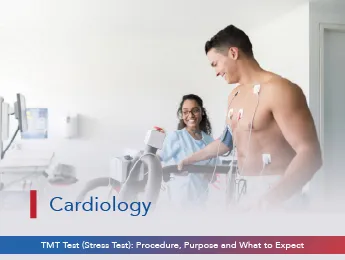
When people ask what a stress test is, it refers to monitoring heart rate, blood pressure, and the electrical activity of the heart. At the same time, the patient walks on a treadmill or uses a stationary cycle. This helps doctors assess the efficiency of blood flow to the heart.
A stress test heart evaluation is particularly useful for detecting conditions such as blocked arteries or irregular heart rhythms.
Doctors recommend a stress test for several reasons, particularly when symptoms suggest a potential heart issue.
A heart stress test may be advised if you experience chest pain, shortness of breath, or unexplained fatigue. It also helps assess how well the heart is functioning after treatment or surgery.
Additionally, identifying signs you need a stress test can support early diagnosis. These signs may include persistent chest discomfort, dizziness, or reduced exercise tolerance.
Therefore, this test plays an important role in both diagnosis and preventive care.
A common question patients ask is, what does a stress test show? The test provides valuable information about how well the heart performs under stress.
It can reveal reduced blood flow to the heart, abnormal heart rhythms, or areas of the heart muscle that may not be receiving enough oxygen.
Moreover, it helps determine the effectiveness of current treatments and guides further medical decisions. Hence, a stress test offers a comprehensive view of heart function during activity.
There are different types of stress tests, and understanding the 3 types can help clarify which one may be recommended.
The first is the exercise stress test, in which the patient walks on a treadmill while their heart rate is monitored. This is the most used method.
The second is the nuclear stress test, which involves imaging to assess blood flow to the heart. It provides more detailed information in certain cases.
The third is the stress echocardiogram, which uses ultrasound imaging to evaluate heart function before and after exercise.
Each type of heart stress test serves a specific purpose depending on the patient’s condition.
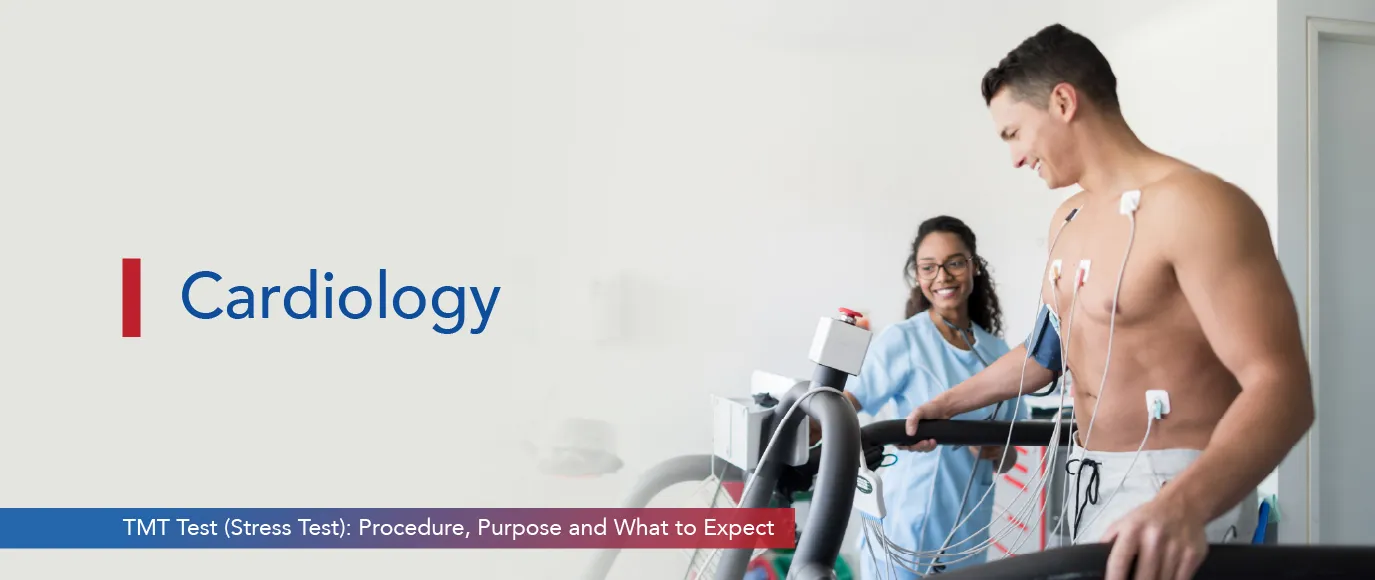
The stress test procedure is simple and generally safe. It begins with placing electrodes on the chest to monitor heart activity.
The patient is then asked to walk on a treadmill. The speed and incline gradually increase to simulate physical exertion. During the test, heart rate, blood pressure, and breathing are closely monitored.
The test continues until a target heart rate is reached or symptoms appear. Therefore, the procedure helps assess how the heart performs under controlled stress.
Many patients wonder how long a stress test takes. Typically, the active exercise portion lasts 10 to 15 minutes, while the entire process, including preparation and recovery, may take 30 to 45 minutes.
Proper preparation ensures accurate results from a stress test.
Patients are usually advised to avoid heavy meals before the test. Wearing comfortable clothing and suitable footwear is recommended, as the test involves walking or running.
Certain medications may need to be adjusted before the procedure, based on the doctor’s advice. Additionally, it is important to inform your doctor about any existing medical conditions.
Therefore, following preparation guidelines helps ensure a smooth and effective stress test procedure.
After completing the test, the patient is monitored until heart rate and blood pressure return to normal levels.
Doctors then analyse the results to determine how the heart responded to physical stress. In some cases, further tests may be recommended if abnormalities are detected.
Most individuals can resume normal activities shortly after the test. Hence, recovery is usually quick and uncomplicated.
A stress test is generally safe and widely used. However, like any medical procedure, it carries minimal risks.
Some individuals may experience temporary fatigue, dizziness, or shortness of breath during the test. Rarely, more serious complications may occur, especially in individuals with existing heart conditions.
Therefore, the test is always conducted under medical supervision to ensure safety. The benefits of early detection typically outweigh the risks.
Recognising signs, you need a stress test is important for timely evaluation.
If you experience symptoms such as chest discomfort during activity, shortness of breath, or unexplained fatigue, your doctor may recommend a test.
Additionally, individuals with risk factors such as diabetes, high blood pressure, or a family history of heart disease may benefit from regular evaluation.
Hence, early testing can help prevent complications and improve long-term outcomes.
A stress test is an important diagnostic tool that helps evaluate how well your heart functions under physical activity. Understanding what a stress test is, the stress test procedure, and what it shows can help you take proactive steps towards heart health.
If you are experiencing symptoms or noticing signs that you need a stress test, timely evaluation is essential. Knowing how long a stress test takes, understanding the 3 types of stress tests, and being aware of the role of a heart stress test can help reduce anxiety and improve preparedness.
At Sparsh Hospital, a leading Cardiology Hospital in Bangalore, expert care is available for accurate diagnosis and treatment. Consulting an experienced Cardiologist in Bangalore ensures personalised care and effective management of heart conditions.
A stress test is used to evaluate heart function during physical activity and detect issues such as reduced blood flow or abnormal heart rhythms.
The exercise portion lasts about 10–15 minutes, while the entire process, including preparation and recovery, may take 30–45 minutes.
Yes, a stress test is generally safe and performed under medical supervision, with minimal risks for most patients.
It shows how well the heart handles physical stress, helping identify blockages, irregular rhythms, or reduced blood supply.
You may need a heart stress test if you experience chest pain, breathlessness, fatigue, or have risk factors for heart disease.
Categories: Cardiac Sciences








TMT Test (Stress Test): Procedure, Purpose and What to Expect is available for appointments. Please fill the below form to book an appointment.
Unlock the door to exceptional healthcare, book an appointment with SPARSH Hospital and let your journey to wellness begin.
Copyright © 2026 SPARSH Hospital, A Unit of Shiva & Shiva Orthopaedic Hospital Pvt Ltd.






 Live Chat