Published in : Cardiac Sciences | July 21, 2026 |
 Medically Reviewed
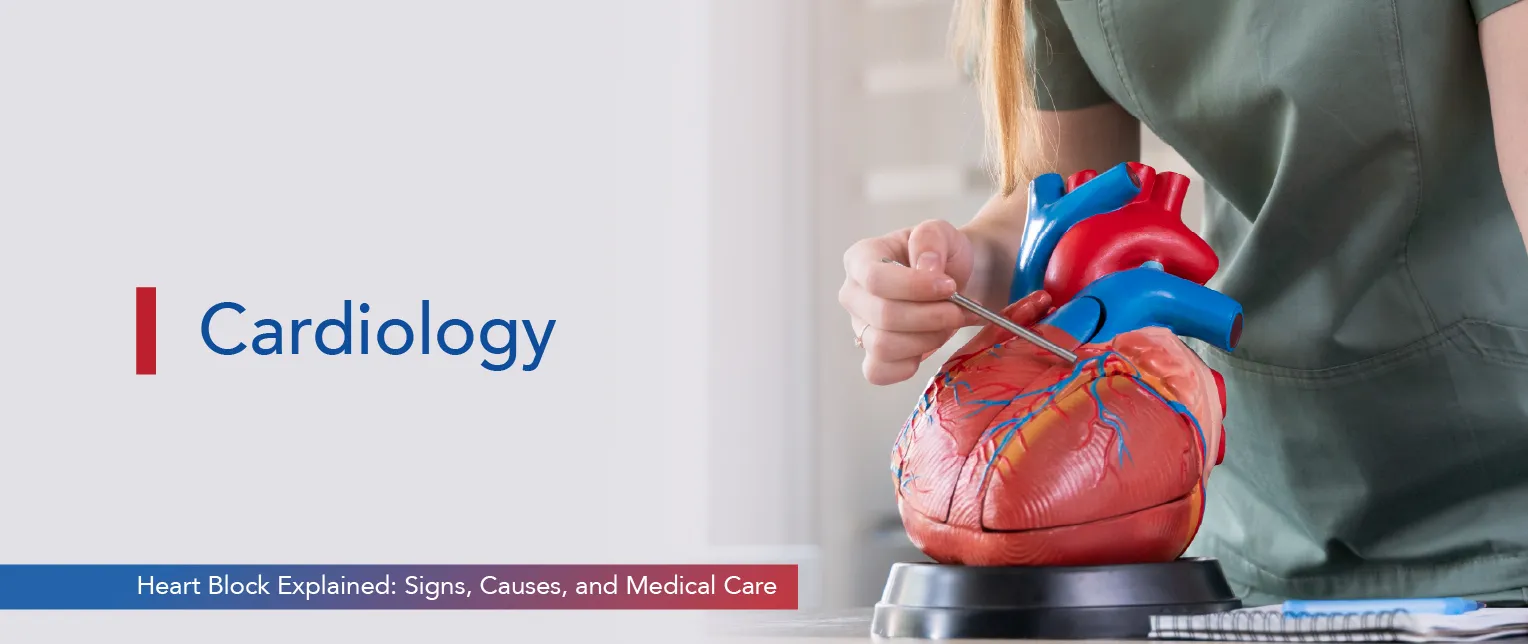
Could unusual tiredness, dizziness, or a slow heartbeat be warning signs of an underlying heart condition? Cardiovascular diseases remain one of the leading causes of death worldwide, accounting for nearly 17.9 million deaths annually according to the World Health Organisation (WHO). In India, heart rhythm disorders and conduction abnormalities are becoming increasingly common due to ageing populations, high blood pressure, diabetes, and lifestyle-related cardiac diseases.
Heart blocks are electrical conduction disorders that can affect the normal rhythm of the heart and may lead to serious complications if left untreated. Understanding heart blockage symptoms, causes, and available medical care can help individuals seek timely diagnosis and prevent life-threatening cardiac complications.
Many people often ask, “What is a heart block?” A heart block occurs when the electrical signals that control the heartbeat are delayed or completely blocked as they travel through the heart.
The heart depends on electrical impulses to maintain a steady rhythm and pump blood effectively throughout the body. When these signals slow down or fail to travel properly between the upper and lower chambers of the heart, different types of heart blocks can develop.
The condition may range from mild conduction delays to severe rhythm disturbances requiring urgent medical treatment.
Doctors classify heart block types based on the severity of electrical signal disruption.
First-degree heart block, also called 1st-degree heart block, is the mildest form of heart block. In this condition, electrical signals move more slowly than normal but still reach lower heart chambers.
Many individuals with first-degree heart block may not experience noticeable symptoms, and the condition is often detected during routine ECG testing.
Secondary heart block type 1 occurs when some electrical signals intermittently fail to reach the heart’s lower chambers.
This condition may cause occasional dizziness, weakness, or skipped heartbeats. Some individuals may require monitoring to prevent worsening rhythm problems.
A complete heart block is the most severe form of heart block. In this condition, electrical communication between the upper and lower heart chambers is completely interrupted.
This can lead to dangerously slow heart rhythms and significantly reduced blood flow to the body. Complete heart blocks often require urgent medical treatment and pacemaker implantation.
Symptoms of heart blockage may vary depending on the severity of the condition. Some people experience no symptoms initially, while others develop serious complications.
Common heart blockage symptoms include:
In severe cases, complete heart block may lead to sudden collapse or cardiac complications.
Signs of minor heart blockage may sometimes be subtle and easy to overlook. Individuals with mild heart blocks may experience occasional tiredness, mild dizziness, or reduced exercise tolerance.
Because these symptoms can resemble other medical conditions, proper cardiac evaluation is important, especially in older adults or individuals with existing heart disease.
Several medical conditions can disrupt the heart’s electrical system, leading to heart blockage.
The heart’s electrical pathways may gradually weaken with ageing.
Reduced blood supply to the heart can damage electrical conduction pathways.
A previous heart attack may affect the heart’s electrical system and increase the risk of heart blocks.
Long-standing hypertension may contribute to structural heart changes.
Some individuals are born with abnormalities affecting electrical conduction.
Certain heart medications may excessively slow electrical conduction.
Heart infections or inflammatory conditions may damage electrical tissues.
Certain individuals may have a higher risk of developing heart blockage.
Risk factors include:
Maintaining heart health and regular medical check-ups can help detect rhythm abnormalities early.
Doctors use several tests to accurately diagnose heart blocks.
An ECG records the heart’s electrical activity and helps identify conduction abnormalities, such as first-degree or complete heart block.
Portable heart monitors record heart rhythms over 24–48 hours to detect intermittent rhythm problems.
This imaging test evaluates heart structure and pumping function.
Blood investigations may help identify infections, electrolyte imbalances, or thyroid disorders affecting heart rhythm.
Early diagnosis plays a crucial role in preventing complications and guiding appropriate treatment.
Treatment depends on the type and severity of the heart block.
Mild conditions, such as 1st-degree heart block, may only require regular monitoring.
Doctors may modify medications, contributing to slow heart rhythms.
Managing blood pressure, heart disease, or infections may improve conduction problems.
Individuals with severe rhythm disturbances or complete heart block often require a pacemaker. Studies show that pacemaker therapy significantly improves survival and quality of life in patients with severe heart blocks.
Timely treatment can significantly improve the quality of life and reduce cardiac risks.
Not all heart blocks can be prevented, especially those caused by congenital or age-related conditions. However, maintaining overall cardiovascular health may reduce risk.
Helpful preventive measures include:
Healthy lifestyle choices support long-term heart function and circulation.
Heart blocks are electrical conduction disorders that may range from mild delays, such as first-degree heart block, to severe rhythm disturbances, such as complete heart block. While signs of minor heart blockage may appear subtle initially, persistent dizziness, fatigue, fainting, or irregular heartbeat should never be ignored.
Accurate diagnosis, proper monitoring, and timely treatment can significantly improve heart rhythm stability and overall cardiovascular health. Individuals experiencing symptoms of heart blockage should seek expert care from a trusted Cardiology Hospital in Bangalore. Consulting an experienced Cardiologist in Bangalore can help ensure accurate diagnosis, specialised treatment, and better long-term heart health outcomes.
Heart block is a condition in which the electrical signals that control the heartbeat are delayed or blocked, disrupting normal heart rhythm and blood circulation.
Common symptoms of heart blockage include dizziness, fatigue, fainting, slow heartbeat, chest discomfort, and shortness of breath.
First-degree heart block is usually mild and may not cause symptoms, but regular monitoring is important to assess heart rhythm changes.
Complete heart block is a severe condition in which electrical signals fail to conduct between the heart chambers, often requiring pacemaker treatment.
Yes, heart blocks can be managed through monitoring, medication adjustments, treatment of underlying conditions, or pacemaker implantation in severe cases.
Categories: Cardiac Sciences







Heart Block Explained: Signs, Causes, and Medical Care is available for appointments. Please fill the below form to book an appointment.
Unlock the door to exceptional healthcare, book an appointment with SPARSH Hospital and let your journey to wellness begin.
Copyright © 2026 SPARSH Hospital, A Unit of Shiva & Shiva Orthopaedic Hospital Pvt Ltd.






 Live Chat