Published in : Cardiac Sciences | April 30, 2026 |
 Medically Reviewed
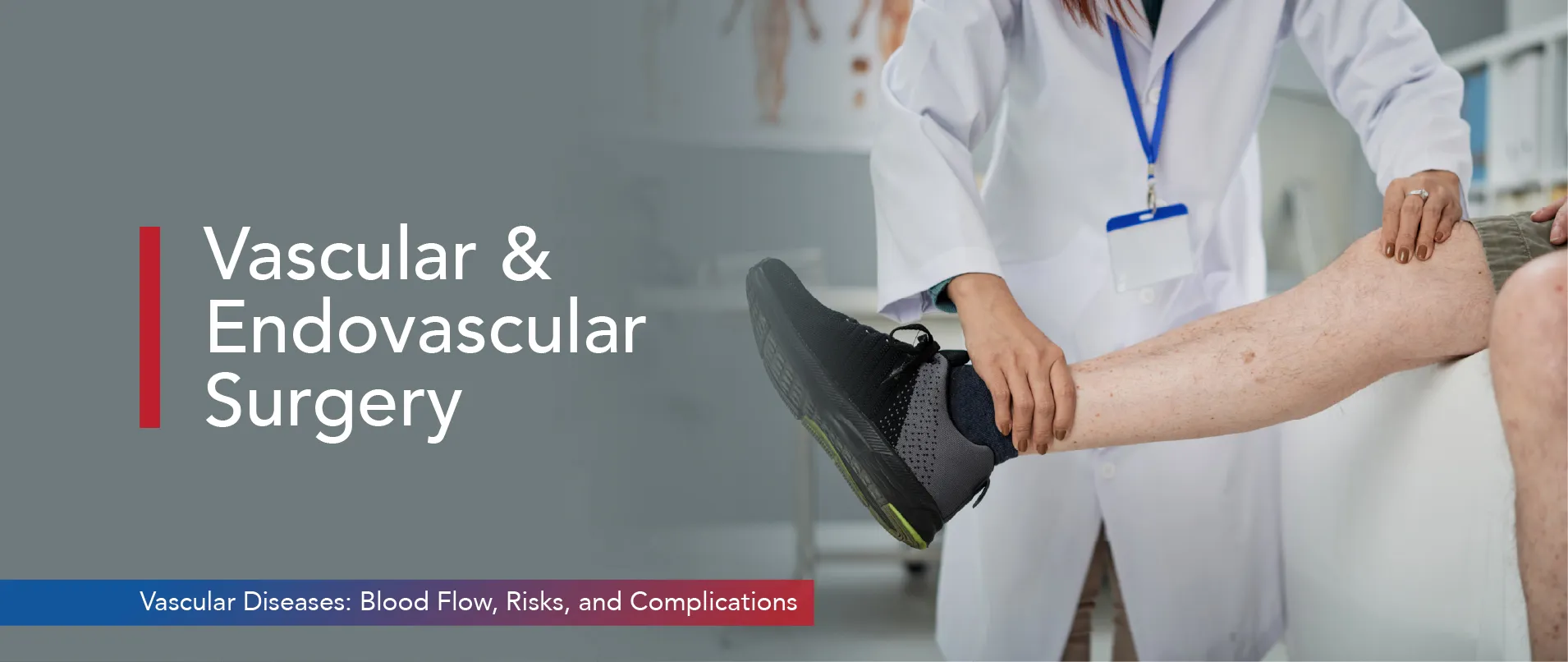
Vascular diseases are a major health concern in India, contributing significantly to the burden of cardiovascular conditions. Moreover, estimates suggest that over 40–50 million people in India may be affected by peripheral vascular conditions, many of whom remain undiagnosed.
These conditions affect the network of arteries, veins, and capillaries that circulate blood throughout the body. When this system is affected, it can lead to reduced blood flow, organ damage, and serious complications if left untreated.
Recognising early signs of vascular problems and seeking timely care can play a crucial role in preventing long-term complications. This blog provides a comprehensive overview of causes, symptoms, diagnosis, and treatment options.
Vascular disease refers to a group of conditions that affect blood vessels, including arteries and veins. These conditions interfere with normal blood flow, which is essential for delivering oxygen and nutrients to tissues.
Also known as blood vessel disease, it can affect any part of the body, including the heart, brain, and limbs. Therefore, proper functioning of the vascular system is critical for overall health.
There are several types of vascular disease, each affecting different blood vessels:
Additionally, these conditions may vary in severity, requiring different treatment approaches.
Various factors contribute to the development of vascular conditions. The most common causes include:
Moreover, genetic factors and ageing also increase the risk. Hence, early lifestyle management is essential to prevent progression.
Vascular disease is increasingly common, especially in urban populations. In India, rising cases of diabetes and hypertension have led to a significant increase in vascular conditions.
Studies indicate that peripheral artery disease alone affects millions of people globally, many of whom remain undiagnosed. Therefore, awareness and early screening are critical.
Recognising vascular disease symptoms early can prevent complications. Symptoms may vary depending on the affected area:
In some cases, blood vessels may swell, particularly in venous conditions.
Hence, these signs should not be ignored, especially in high-risk individuals.
Doctors use various methods to diagnose vascular disease and assess its severity.
Common diagnostic tests include:
Additionally, these tests help identify blockages, clots, or abnormalities in blood flow.
Treatment depends on the type and severity of the condition. Managing vascular problems often involves a combination of medical and lifestyle approaches.
In advanced cases, surgery may be required to restore blood flow or repair damaged vessels.
Therefore, timely intervention improves outcomes and reduces complications.
Reducing the risk of vascular disease requires consistent lifestyle changes.
Key preventive steps include:
Moreover, regular health check-ups help detect early signs and prevent progression.
It is important to seek medical advice if symptoms persist or worsen. You should consult a doctor if:
Early consultation can prevent serious complications and improve quality of life.
Vascular disease is a significant health concern that affects blood circulation and overall wellbeing. From early-stage vascular problems to more advanced forms of blood vessel disease, timely diagnosis and management are essential. Recognising vascular disease symptoms, including pain, reduced circulation, and swelling of blood vessels, can help prevent complications.
Understanding what vascular disease is and addressing risk factors such as diabetes, hypertension, and lifestyle habits can significantly reduce its impact. With appropriate treatment and preventive care, many vascular conditions can be effectively managed.
At Sparsh Hospital, a leading Vascular Hospital in Bangalore, patients receive expert care tailored to their condition. If you are looking for an experienced Vascular Surgeon in Bangalore, an early consultation can help accurately diagnose vascular conditions and ensure effective, long-term management.
Vascular disease refers to conditions that affect blood vessels, leading to reduced or blocked blood flow in different parts of the body.
Common symptoms include leg pain, numbness, swelling, and slow-healing wounds. Symptoms vary depending on the affected blood vessels.
It is caused by factors such as high blood pressure, diabetes, smoking, and cholesterol buildup in arteries.
Yes, if untreated, it can lead to complications such as stroke, heart attack, or limb damage. Early diagnosis is important.
You can reduce risk by maintaining a healthy lifestyle, exercising regularly, and managing conditions like diabetes and hypertension.
Categories: Cardiac Sciences









Vascular Diseases: Blood Flow, Risks, and Complications is available for appointments. Please fill the below form to book an appointment.
Unlock the door to exceptional healthcare, book an appointment with SPARSH Hospital and let your journey to wellness begin.
Copyright © 2026 SPARSH Hospital, A Unit of Shiva & Shiva Orthopaedic Hospital Pvt Ltd.






 Live Chat