Published in : Neurology | January 14, 2025 |
 Medically Reviewed
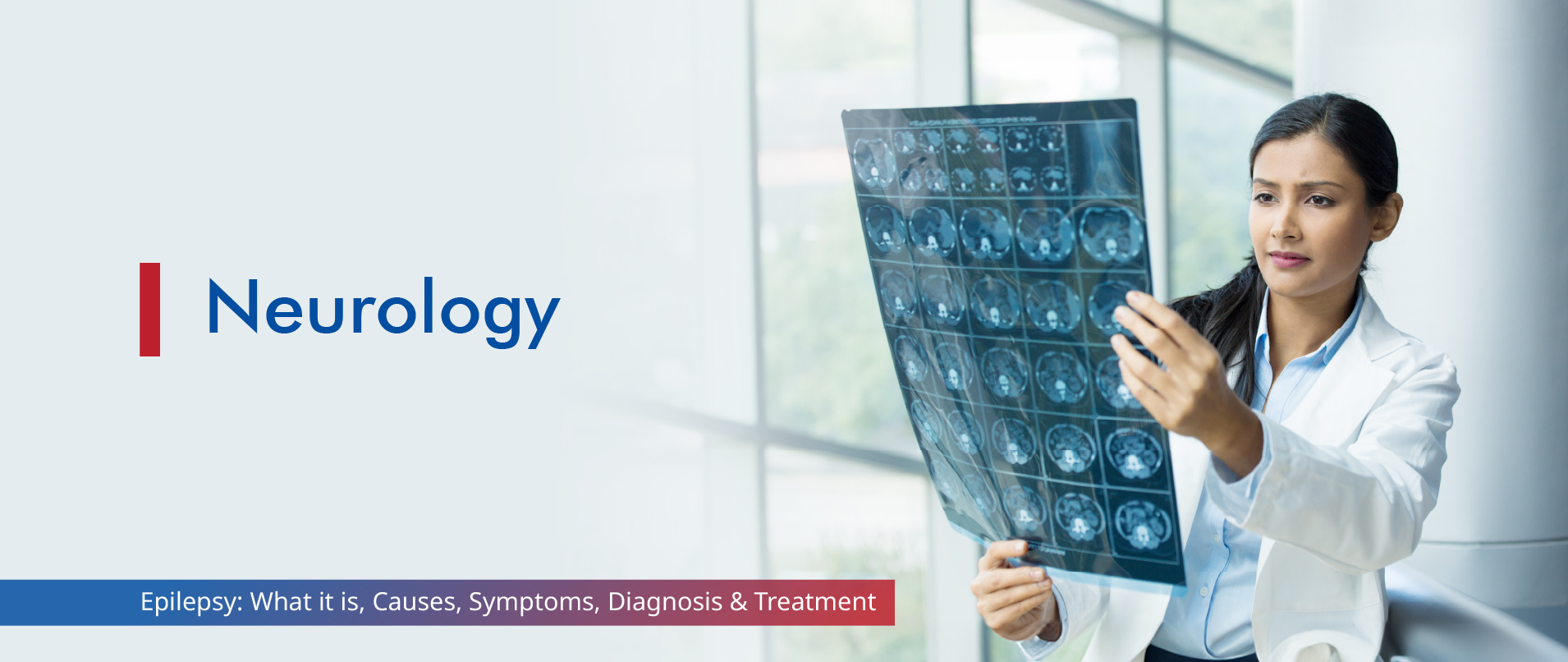
Epilepsy is a chronic brain disorder in which groups of nerve cells, or neurons, sometimes send abnormal signals that cause seizures. These seizures vary widely, from mild lapses in awareness to severe convulsions.
Understanding the causes of epilepsy, recognising epilepsy symptoms, and getting the right epilepsy treatment can help individuals manage this condition effectively.
Understanding Epilepsy
Epilepsy is characterised by repeated, unprovoked seizures. Neurons in the brain typically communicate via carefully regulated electrical and chemical signals. In epilepsy, however, many neurons may fire all at once or in an uncontrolled manner, which can trigger movements, sensations, emotions, or a combination of these symptoms.
Although it can affect people of all ages, epilepsy is more common in older adults and can arise from a number of underlying conditions, including genetic factors, head injuries, and infections.
Despite its often unpredictable nature, epilepsy is not always life-threatening. Many individuals with epilepsy can lead full, active lives, especially when their condition is well-managed.
Importantly, one single seizure does not necessarily mean a person has epilepsy. The condition is typically diagnosed after two or more unprovoked seizures occur, separated by at least 24 hours.
Epilepsy symptoms can vary widely, but seizures are the most defining feature. The intensity and frequency of symptoms differ depending on the type of epilepsy and individual condition.
Common epilepsy symptoms include seizures that may range from brief staring spells to full-body convulsions. Individuals may also experience confusion, temporary loss of awareness, or unusual sensations such as strange smells or tastes. Muscle stiffness, jerky movements, and repetitive actions such as lip-smacking may occur. These symptoms can happen suddenly and may be followed by fatigue or disorientation.
Signs of epilepsy in adults may include sudden blackouts, confusion, memory lapses, or unexplained falls. Adults may also experience subtle seizures such as brief staring episodes or unusual behavioural changes, which can often be mistaken for stress or fatigue.
An epilepsy attack may involve sudden loss of consciousness, uncontrolled jerking movements, or stiffening of the body. Some individuals may experience sensory disturbances or confusion before or after the episode, followed by weakness or exhaustion.
Epilepsy is sometimes referred to as “the epilepsies” due to its diverse causes and seizure types. Understanding these types can help individuals and healthcare providers tailor an appropriate management plan.
Focal Onset Aware Seizures (Simple Partial Seizures): People remain conscious but may experience unusual sensations, such as intense déjà vu or strange tastes and smells.
Focal Onset Impaired Awareness Seizures (Complex Partial Seizures): People may have a change in consciousness and perform repetitive movements (automatisms) like blinking, chewing, or walking in circles.
Absence Seizures: Brief lapses in awareness, often described as staring spells.
Tonic-Clonic Seizures: Involve stiffening (tonic phase) and repeated jerking (clonic phase) of the arms, legs, or entire body.
Myoclonic Seizures: Quick, jerk-like movements of the upper body or limbs.
Atonic Seizures: Sudden loss of muscle tone, causing the person to fall.
Tonic Seizures: Persistent muscle stiffening, often in the back or limbs.
Certain epilepsy syndromes are specific to certain ages or genetic profiles, such as absence epilepsy, which often begins in childhood, or temporal lobe epilepsy, which is linked to focal seizures originating in the temporal lobe.
Because epilepsy manifests in different ways, diagnosis and treatment approaches can also vary significantly.
Despite extensive research, the causes of epilepsy can sometimes remain unknown. However, a number of factors are known to contribute:
Genetic alterations (particularly in the JAK2 gene for blood-related conditions, though in epilepsy’s case, different genes may be involved) can predispose individuals to certain forms of epilepsy. Sometimes these gene variants are inherited; other times, they appear spontaneously.
Conditions like brain tumours, stroke, head trauma, or infections (such as meningitis, encephalitis, or HIV-related infections) can disrupt normal brain activity, leading to seizures. Birth defects or developmental issues (e.g., cerebral palsy) can also play a role.
Issues with metabolism or hormone levels might lower the brain’s seizure threshold, causing episodes of abnormal electrical activity.
Seizures can be provoked by triggers like stress, sleep deprivation, intense flashing lights, fever, or even changes in blood sugar. These do not necessarily cause epilepsy but can spark seizures in those already susceptible.
Age: While epilepsy can occur at any age, it’s more common in children and adults over 60.
Stroke or Heart Problems: Conditions that deprive the brain of oxygen can lead to lasting changes in neuronal signalling.
Alcohol Withdrawal: Abruptly stopping heavy alcohol use can trigger seizures.
The effects of epilepsy on the body can impact multiple functions, especially the brain. Recurrent seizures may interfere with normal brain activity, affecting memory, concentration, and learning ability.
Muscle control may also be affected during seizures, leading to involuntary movements or temporary weakness. In some cases, frequent episodes can impact emotional well-being and daily functioning. Early diagnosis and treatment at Sparsh Hospital helps minimise these effects and improve quality of life.
Epilepsy treatment focuses on preventing seizures, managing underlying causes, and improving the person’s quality of life. Most often, treatment is effective, especially when started early.
Doctors typically prescribe antiseizure medications that help reduce or prevent seizures.
The choice of medication depends on seizure type, the person’s age, and other health considerations.
Many individuals respond well to a single drug, while others may require a combination.
Adequate Sleep: Sleep deprivation is a powerful trigger for seizures. A regular sleep schedule can help manage the frequency of seizures.
Stress Management: Techniques such as yoga, meditation, or counselling can reduce stress-related triggers.
Diet: Some people benefit from specific diets like the ketogenic diet, particularly in certain types of childhood epilepsy.
If epilepsy medication fails to control seizures, brain surgery to remove or isolate the seizure focus may be considered. Temporal lobe resection and lesionectomy are examples of surgical procedures that help reduce or eliminate seizure occurrences.
In cases where surgery is not an option, devices such as a vagus nerve stimulator (VNS) or responsive neurostimulation (RNS) may be used. These devices help regulate abnormal electrical activity in the brain.
Techniques like biofeedback, acupuncture, or even music therapy can provide additional support, though they should complement, not replace, standard medical interventions.
Many people ask, Is there a cure for epilepsy? While epilepsy may not always be permanently curable, it is a manageable condition. With proper medication, lifestyle adjustments, and medical care, many individuals can control seizures effectively. Long-term treatment plans at Sparsh Hospital focus on reducing seizure frequency and improving overall quality of life.
Multiple Unprovoked Seizures: If you or a loved one experiences multiple unprovoked seizures, it’s crucial to consult a neurologist for diagnosis and treatment.
Persistent Uncertainty: Sometimes, events that look like seizures might actually be related to fainting, mental health conditions, or cardiac issues. A thorough evaluation helps rule out other causes.
Medication Queries or Side Effects: People already on epilepsy medication should check in regularly with their doctor to monitor side effects and ensure the treatment remains effective.
If you’re based in Bangalore, consider a visit to SPARSH, a well-known neurology hospital in Bangalore. You can consult some of the best neurologists in Bangalore who will provide personalised treatment and care for the best outcome.
Epilepsy is a complex neurological condition with diverse signs of epilepsy, from mild lapses of awareness to severe convulsions. Understanding the potential triggers, the various types of epilepsy, and different treatment approaches empowers individuals and families to manage the condition effectively.
While epilepsy may not always be curable, it is highly treatable, and many people lead full lives once their seizures are under control.
Early diagnosis and tailored management are key. If you suspect you or someone you know has epilepsy, don’t delay seeking professional advice. Appropriate treatment, whether through medication, surgery, or lifestyle adjustments, can significantly improve the outlook for those living with this condition.
The primary treatment is epilepsy medication, also known as antiseizure drugs. Many types are available, and they’re chosen based on the person’s seizure type and overall health.
Focal (partial) epilepsy, where seizures originate in one area of the brain, is one of the most common forms.
Doctors often start with a low dose of an antiseizure medication. The dose or medication may be adjusted until seizures are under control. Surgery or other options may be considered if medication alone is not effective.
Epilepsy can vary in severity. While many cases are manageable with treatment, uncontrolled seizures may lead to complications, making early diagnosis and proper care essential.
Epilepsy can begin at any age, but it commonly starts in childhood or after age 60. Early identification helps in effective treatment and long-term seizure control.
People with brain injuries, genetic conditions, infections, or a family history of epilepsy are at higher risk. Stroke and neurological disorders can also increase susceptibility.
Categories: Neurology


Epilepsy: What It Is, Causes, Symptoms, Diagnosis & Treatment is available for appointments. Please fill the below form to book an appointment.
|
> Neurology Specialists in Davanagere |
|
Unlock the door to exceptional healthcare, book an appointment with SPARSH Hospital and let your journey to wellness begin.
Copyright © 2026 SPARSH Hospital, A Unit of Shiva & Shiva Orthopaedic Hospital Pvt Ltd.






 Live Chat