Published in : ENT | July 16, 2026 |
 Medically Reviewed
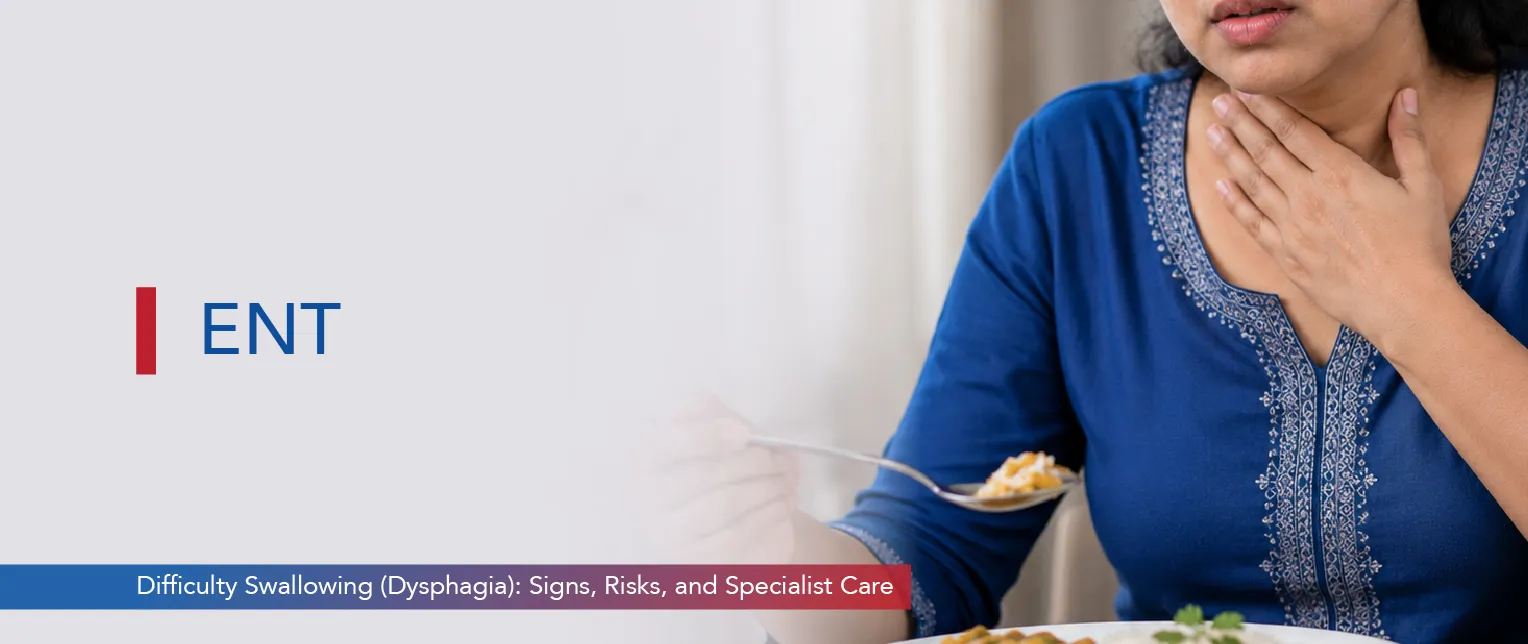
Have you ever felt like food gets stuck in your throat or experienced pain while swallowing? While occasional swallowing discomfort may happen due to throat infections or irritation, persistent difficulty swallowing should never be ignored. Dysphagia, the medical term for swallowing difficulty, affects millions of people worldwide, especially older adults and individuals with neurological or digestive conditions.
Studies suggest that nearly 15% of older adults experience some form of swallowing problems, which can significantly affect nutrition, hydration, and overall quality of life. Understanding dysphagia symptoms, causes, risks, and treatment options can help individuals seek timely medical care and prevent complications.
Dysphagia refers to difficulty swallowing food, liquids, or even saliva. Swallowing is a complex process involving muscles, nerves, and the throat and oesophagus working together smoothly. When any part of this process is disrupted, swallowing problems may develop.
Some people may feel that food moves slowly down the throat, while others may experience pain, choking, or the sensation of food getting stuck.
Difficulty swallowing may occur occasionally or become a long-term medical condition depending on the underlying cause.
Dysphagia symptoms can vary from mild discomfort to severe swallowing difficulty.
Common symptoms include:
Some individuals may also avoid eating because of a fear of choking or discomfort.
There are several causes of swallowing difficulty, ranging from temporary throat irritation to serious neurological or structural disorders.
Chronic acid reflux can irritate and narrow the food pipe, leading to difficulty swallowing.
Severe throat infections may temporarily cause pain and trouble swallowing.
Conditions such as stroke, Parkinson’s disease, or multiple sclerosis may affect the nerves involved in swallowing.
The oesophagus may become narrowed due to scarring, inflammation, or growths.
Enlarged tonsils can sometimes interfere with swallowing, especially in children.
Growths affecting the throat, oesophagus, or nearby structures may cause progressive dysphagia.
Certain muscle disorders may weaken the swallowing muscles and affect the movement of food.
Many people occasionally experience swallowing discomfort due to a sore throat or eating too quickly. However, dysphagia usually becomes concerned when symptoms persist or worsen over time.
Signs that require medical evaluation include:
Ignoring long-term swallowing problems may increase the risk of serious complications.
Untreated dysphagia can affect overall health and nutrition significantly.
Difficulty swallowing may reduce food intake, leading to nutritional deficiencies and weight loss.
People with swallowing difficulty may avoid drinking enough fluids.
Food or liquids entering the lungs instead of the stomach can lead to serious lung infections.
Severe dysphagia may increase the risk of choking emergencies.
Persistent swallowing problems can affect social interactions, eating habits, and emotional well-being.
If you have a problem in swallowing food, then you should never ignore these symptoms:
Early evaluation helps identify the underlying cause and improves treatment outcomes.
Doctors use several tests to identify the cause and severity of dysphagia.
The doctor evaluates throat function, muscle strength, and swallowing patterns.
A thin camera is used to examine the throat and oesophagus for abnormalities.
Patients swallow a special liquid visible on X-rays to assess swallowing function.
CT scans or MRI scans may help identify structural or neurological causes.
Speech and swallowing specialists may assess how muscles function during swallowing. Accurate diagnosis is essential for planning appropriate treatment.
Dysphagia treatment depends on the underlying cause and severity of symptoms.
Soft foods and thickened liquids may help improve swallowing safety.
Special exercises may strengthen swallowing muscles and improve coordination.
Doctors may prescribe medications for acid reflux, infections, or inflammation.
Narrowed areas of the oesophagus may sometimes require stretching procedures.
Surgical treatment may be needed for tumours, severe narrowing, or structural abnormalities.
Eating slowly, chewing food properly, and sitting upright during meals can help reduce symptoms.
Individuals with swallowing problems may benefit from simple daily precautions.
Helpful measures include:
Following medical advice carefully helps reduce the risk of choking and improve comfort.
Older adults are more likely to develop dysphagia due to age-related muscle weakness and chronic medical conditions.
Swallowing problems in older adults may lead to:
Therefore, early treatment becomes especially important in elderly individuals.
You should consult a specialist if you experience:
Early specialist care can help prevent serious complications and improve swallowing function.
Dysphagia, or difficulty swallowing, can develop due to infections, acid reflux, neurological conditions, or structural abnormalities affecting the throat and oesophagus. Recognising dysphagia symptoms early and understanding common swallow difficulty causes can help prevent complications such as malnutrition, dehydration, and pneumonia.
Timely diagnosis and appropriate dysphagia treatment can significantly improve swallowing comfort and overall quality of life. Individuals experiencing swallowing problems should seek expert medical care from a trusted ENT Hospital in Bangalore. Consulting experienced ENT Doctors in Bangalore can help ensure accurate diagnosis, specialised treatment, and better long-term outcomes for throat and swallowing health.
Dysphagia is a medical condition that causes difficulty swallowing food, liquids, or saliva due to problems affecting the throat or oesophagus.
Common dysphagia symptoms include choking while eating, food sticking in the throat, pain during swallowing, coughing during meals, and unexplained weight loss.
Swallowing problems may occur due to acid reflux, neurological disorders, throat infections, oesophageal narrowing, muscle weakness, or structural abnormalities.
Occasional trouble swallowing may not always be serious, but persistent or worsening symptoms require medical evaluation to identify the underlying cause.
Yes, dysphagia treatment may include swallowing therapy, medications, dietary modifications, endoscopic procedures, or surgery, depending on the underlying condition.
3 Mins Read
Categories: ENT








Difficulty Swallowing (Dysphagia): Signs, Risks, and Specialist Care is available for appointments. Please fill the below form to book an appointment.
Unlock the door to exceptional healthcare, book an appointment with SPARSH Hospital and let your journey to wellness begin.
Copyright © 2026 SPARSH Hospital, A Unit of Shiva & Shiva Orthopaedic Hospital Pvt Ltd.






 Live Chat