Published in : Gastroenterology | August 23, 2026 |
 Medically Reviewed
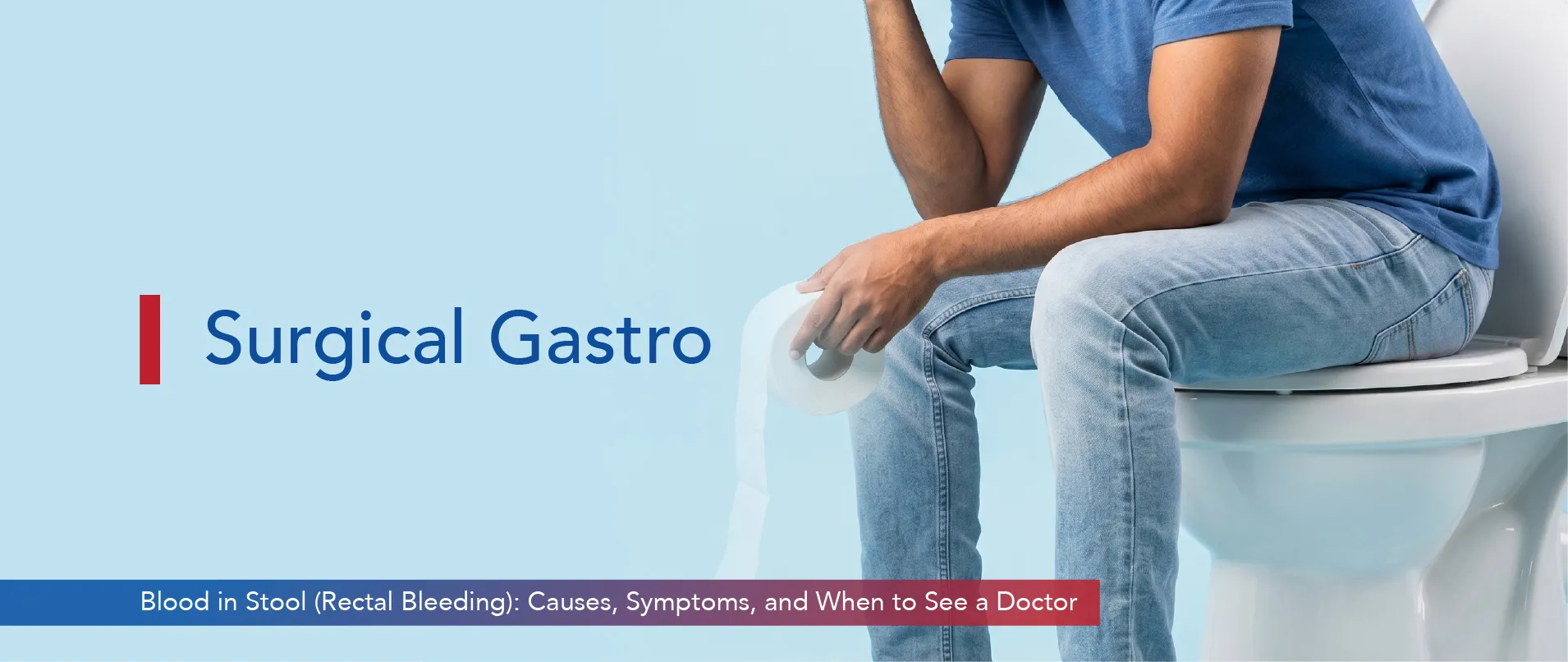
Have you noticed blood in your stool or on the toilet paper after a bowel movement? While it can be alarming, rectal bleeding does not always indicate a serious health problem. Studies estimate that rectal bleeding affects nearly 14–19% of adults at some point in their lives.
Although many cases are caused by conditions such as haemorrhoids or anal fissures, persistent or recurrent bleeding may be a sign of inflammatory bowel disease, colorectal polyps, or even colorectal cancer. Understanding the possible causes and knowing when to seek medical attention are essential for timely diagnosis and treatment.
In this blog, we’ll discuss the common causes of rectal bleeding, associated symptoms, treatment options, and when it’s time to consult a doctor.
Rectal bleeding is most commonly caused by conditions affecting the anus or lower digestive tract. Fortunately, many of these conditions are treatable when diagnosed early.
Less commonly, rectal bleeding can stem from more serious underlying conditions affecting the colon or digestive tract. These causes typically require thorough medical evaluation and targeted, specialist treatment.
The colour and consistency of blood in stool often provide important clues about its source within the digestive tract. Painless, bright-red blood in stool typically points to a lower source, while darker blood often suggests bleeding higher up. Understanding these patterns can help guide both self-monitoring and the urgency of seeking medical evaluation.
Blood in stool symptoms rarely occur in isolation. Other accompanying symptoms can offer important clues about the underlying cause and help determine whether the bleeding warrants urgent medical attention or routine monitoring.
What tests are used to investigate blood in stool? Diagnosis of rectal bleeding starts with a physical examination and a detailed history. Further, it is followed by targeted tests to accurately identify the underlying cause.
The treatment for blood in stool depends entirely on identifying and addressing the underlying cause. It can range from simple home care for minor cases to specialised medical or surgical intervention for serious conditions.
Treatment of bleeding rectum at home is generally suitable for mild cases linked to haemorrhoids or fissures. Certain simple measures can ease discomfort and reduce bleeding, though persistent symptoms still need evaluation; these are:
Early signs of bleeding rectum are often mild and easy to overlook, such as a small amount of bright red blood on toilet paper or in the toilet bowl after a bowel movement.
Warning signs for serious causes of blood in stool include heavy or persistent bleeding, severe abdominal pain, unexplained weight loss, or fatigue. Promptly consulting a Gastroenterologist in Bangalore is strongly advised in these cases.
If rectal bleeding lasts more than one to two days, recurs frequently, or is accompanied by severe pain, dizziness, unexplained weight loss, or fatigue, seek medical attention promptly.
Although rectal bleeding is often caused by common conditions such as haemorrhoids or anal fissures, it should never be ignored, particularly if it is persistent, recurrent, or accompanied by abdominal pain, weight loss, or changes in bowel habits. If you notice blood in your stool or experience ongoing rectal bleeding, consult a gastroenterologist.
At Sparsh Hospital, our experienced surgical gastroenterology specialists provide comprehensive evaluation and advanced treatment for a wide range of digestive disorders.
No. Most cases of rectal bleeding are caused by conditions such as haemorrhoids or anal fissures. However, persistent or unexplained bleeding should always be evaluated by a doctor.
Blood from colorectal cancer may appear mixed with the stool or cause dark, tarry stools. However, the appearance alone cannot confirm the cause, so medical evaluation is essential.
Yes. Foods such as beetroot and medications like iron supplements can change the colour of your stool, making it appear red or black. If you’re unsure, consult a doctor.
Not all cases can be prevented, but eating a high-fibre diet, staying hydrated, avoiding constipation, and reducing straining during bowel movements can lower the risk of common causes.
Categories: Gastroenterology
















Blood in Stool (Rectal Bleeding): Causes, Symptoms, and When to See a Doctor is available for appointments. Please fill the below form to book an appointment.
Unlock the door to exceptional healthcare, book an appointment with SPARSH Hospital and let your journey to wellness begin.
Copyright © 2026 SPARSH Hospital, A Unit of Shiva & Shiva Orthopaedic Hospital Pvt Ltd.






 Live Chat