Published in : Nutrition | June 23, 2026 |
 Medically Reviewed
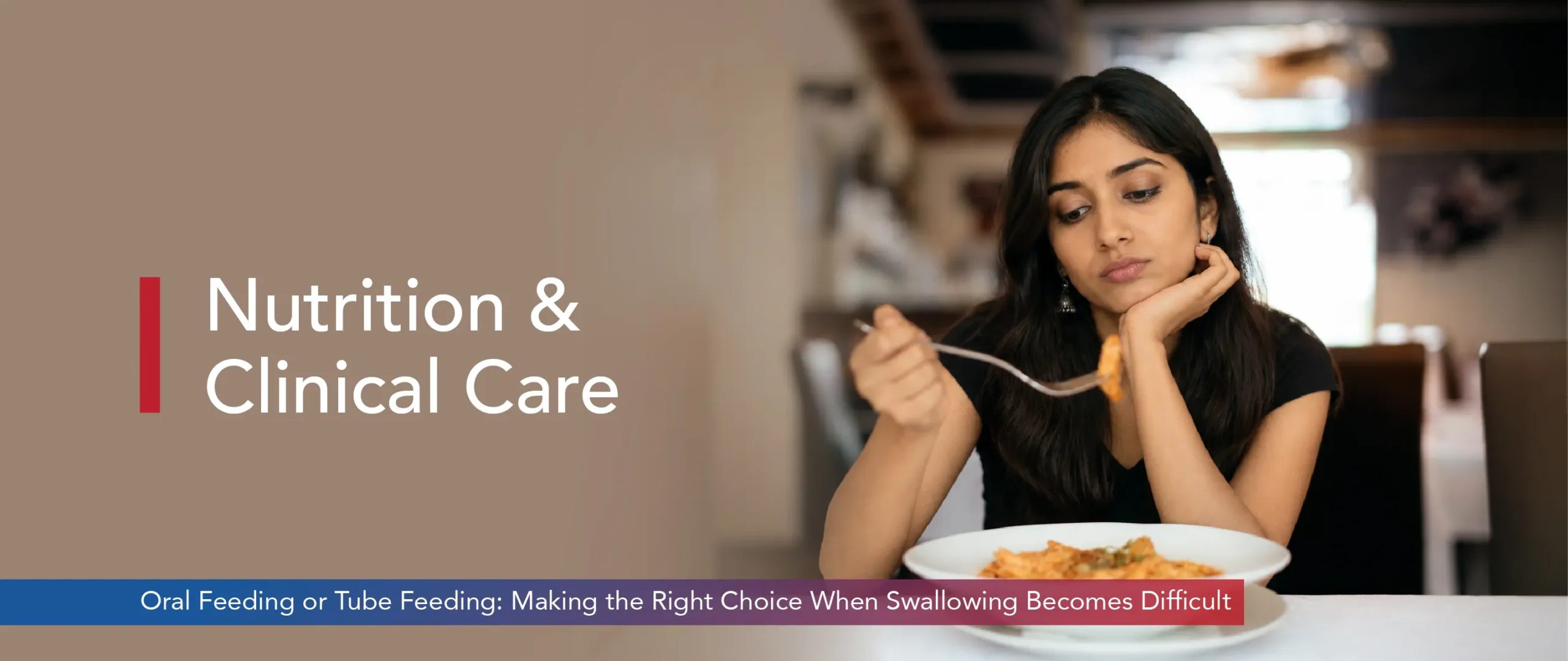
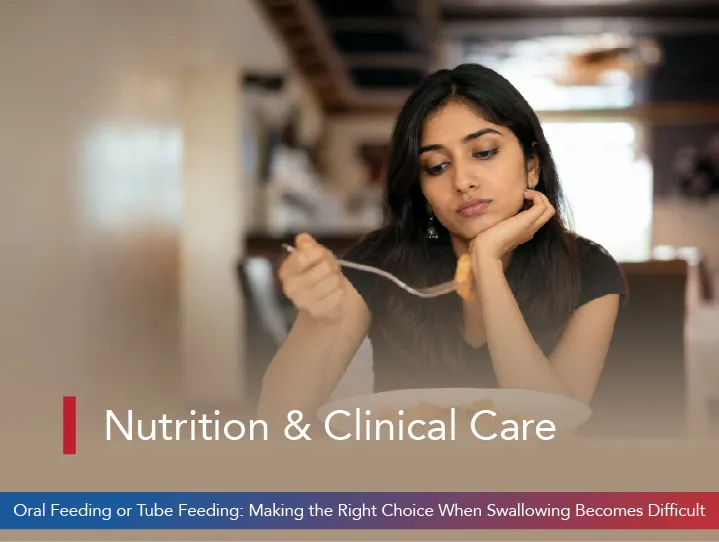
Eating is about much more than nutrition. It is part of family gatherings, celebrations, daily routines, and overall quality of life. However, for people living with swallowing difficulties, even a simple meal can become challenging and, in some cases, unsafe.
Dysphagia, the medical term for difficulty swallowing, affects millions of people worldwide and is particularly common among individuals recovering from stroke, neurological disorders, head and neck cancer, or prolonged critical illness. Research suggests that swallowing difficulties may affect up to 50% of stroke survivors during recovery.
When swallowing becomes difficult, families often face an important question: Should a person continue eating and drinking normally, or is a feeding tube required?
Understanding the available feeding options can help patients and caregivers make informed decisions. While many individuals can continue with oral feeding, others may require enteral feeding to ensure they receive adequate nutrition and hydration safely.
Dysphagia is the medical term for difficulty swallowing. It can affect the ability to swallow food, liquids, saliva, or even medications.
Swallowing difficulties may occur due to:
Early assessment is important because untreated swallowing difficulties can increase the risk of malnutrition, dehydration, and pneumonia.
One of the most common concerns among patients and families is whether a person can continue eating by mouth or if a feeding tube is necessary.
Oral feeding refers to receiving nutrition, fluids, and medications through the mouth by eating and drinking. Many individuals with mild or moderate swallowing difficulties can continue to feed orally safely with appropriate support.
Management recommendations may include:
For many people, oral feeding provides not only nutrition but also the emotional and social benefits associated with eating.
If swallowing becomes unsafe or nutritional needs cannot be met through oral intake alone, tube feeding may be recommended.
If you are wondering what tube feeding is, it is a method of delivering nutrition, fluids, and medications directly into the stomach or intestines through a feeding tube.
Tube feeding is a form of enteral nutrition, meaning nutrients are delivered through the gastrointestinal tract rather than through the mouth.
Many people assume that a feeding tube is permanent, but this is not always the case. In many situations, enteral feeding is used temporarily while swallowing function improves during recovery.
The decision between tube feeding vs oral feeding depends on swallowing safety, nutritional status, medical condition, and recovery potential.
| Oral Feeding | Tube Feeding |
|---|---|
| Nutrition received through eating and drinking | Nutrition delivered through a feeding tube |
| Maintains taste and social enjoyment of meals | Ensures adequate nutrition when swallowing is unsafe |
| Suitable when swallowing function is adequate | Recommended when aspiration risk is high |
| May require texture modifications | May be temporary or long-term |
In some situations, a person may receive both oral feeding and tube feeding at the same time.
Several feeding methods may be used depending on the patient’s condition and the expected duration of support.
A nasogastric tube is inserted through the nose and into the stomach. It is commonly used for short-term nutritional support.
A PEG tube is inserted directly into the stomach through the abdominal wall and is typically recommended when long-term enteral feeding is required.
The healthcare team determines the most appropriate feeding method based on the individual’s medical condition and nutritional needs.
A feeding tube may be recommended when:
The goal is not to replace eating unnecessarily but to ensure safe nutrition and hydration while reducing complications.
For many people, swallowing difficulties are not always permanent. Depending on the underlying cause, swallowing function may improve with time, treatment, and rehabilitation.
Individuals recovering from stroke, surgery, prolonged ICU stays, neurological conditions, or critical illness often benefit from structured swallowing therapy. Treatment may include strengthening exercises, swallowing techniques, dietary modifications, and regular reassessment of swallowing safety.
As recovery progresses, feeding recommendations may be adjusted. Some individuals may transition from tube feeding to partial oral feeding, while others may eventually return to full oral intake. Regular follow-up helps ensure that nutrition plans continue to meet the patient’s needs safely and effectively.
When swallowing becomes difficult, maintaining adequate nutrition and hydration is essential for recovery, strength, and overall quality of life. While the thought of a feeding tube can feel overwhelming, it is important to remember that both oral feeding and enteral feeding are designed to support an individual’s health and nutritional needs.
Some people can continue eating safely with modifications and therapy, while others may require temporary or longer-term tube feeding. In many cases, a combination of both approaches offers the best balance between safety, nutrition, and quality of life.
Every person’s journey with dysphagia is unique. With timely assessment, expert guidance, and personalised care, individuals can receive the support they need to maintain nutrition, reduce complications, and achieve the best possible outcomes.
Tube feeding is a method of providing nutrition, fluids, and medications directly into the stomach or intestines when swallowing is unsafe or inadequate.
Oral feeding refers to receiving nutrition and hydration through eating and drinking by mouth. It remains the preferred option whenever swallowing can be performed safely.
Enteral feeding is the delivery of nutrition through a feeding tube placed into the stomach or intestines. It is commonly used when oral intake cannot meet nutritional needs.
Yes. Some individuals receive enteral nutrition through a feeding tube while safely consuming selected foods or liquids under professional guidance.
Categories: Nutrition



Oral Feeding or Tube Feeding: Making the Right Choice When Swallowing Becomes Difficult is available for appointments. Please fill the below form to book an appointment.
Unlock the door to exceptional healthcare, book an appointment with SPARSH Hospital and let your journey to wellness begin.
Copyright © 2026 SPARSH Hospital, A Unit of Shiva & Shiva Orthopaedic Hospital Pvt Ltd.






 Live Chat