Published in : Obstetrics and Gynaecology | August 19, 2026 |
 Medically Reviewed

Polycystic Ovary Syndrome (PCOS) is one of the most common hormonal disorders affecting women of reproductive age worldwide. According to the World Health Organisation (WHO), PCOS affects an estimated 8–13% of women, while studies suggest that nearly 70% of cases remain undiagnosed.In India, the prevalence is believed to be even higher due to increasing rates of obesity, insulin resistance, and sedentary lifestyles.
Although there is no permanent cure, adopting the right diet and healthy lifestyle habits can significantly improve symptoms, regulate menstrual cycles, support weight management, and enhance fertility. In this blog, we’ll discuss what PCOS is, why diet matters, foods to eat and avoid, a practical 7-day Indian PCOS diet plan, and lifestyle tips to help manage the condition effectively.
Although the terms PCOS and PCOD are often used interchangeably, they are not the same. PCOD generally refers to multiple immature follicles in the ovaries, whereas PCOS is a more complex hormonal and metabolic disorder.
Early symptoms of PCOS often include irregular cycles and mild acne, which are easy to overlook. Recognising these early symptoms allows for timely diagnosis and intervention.
While the exact root cause of PCOS remains unclear, insulin resistance and genetics are widely considered the leading contributors. This is precisely why diet plays such a central role in managing it.
What diet helps in PCOD? A balanced, low-glycaemic diet helps regulate insulin levels, reduce inflammation, and support hormonal balance. Without dietary intervention, symptoms like weight gain and irregular cycles often worsen over time.
How does diet affect PCOS? Certain foods spike insulin and worsen androgen levels, while others stabilise blood sugar and reduce inflammation. The right choices can ease symptoms and improve long-term metabolic and reproductive health.
A high-fibre, low-sugar diet for PCOS works best when planned for the week. Below is a sample Indian PCOS diet chart you can adapt to your taste and routine.
| Day | Breakfast | Lunch | Snack | Dinner |
|---|---|---|---|---|
| Day 1 | Vegetable poha with peanuts | Brown rice, dal, mixed sabzi | Roasted chana | Grilled paneer with salad |
| Day 2 | Moong dal chilla | Roti, rajma, cucumber salad | Buttermilk with seeds | Vegetable khichdi |
| Day 3 | Oats with chia and berries | Quinoa, chicken curry, greens | Handful of almonds | Palak soup, multigrain roti |
| Day 4 | Besan omelette with veggies | Brown rice, fish curry, salad | Sprouts chaat | Dal, sautéed vegetables |
| Day 5 | Vegetable upma | Roti, chickpea curry, raita | Greek yoghurt with flaxseed | Grilled tofu with vegetables |
| Day 6 | Egg bhurji with multigrain toast | Millet khichdi, curd | Walnuts and an apple | Vegetable soup, roti |
| Day 7 | Smoothie with spinach and flaxseed | Brown rice, paneer bhurji, salad | Roasted makhana | Light dal, steamed vegetables |
The usual fasting option is Intermittent fasting: a 12-hour overnight fast known to improve insulin sensitivity for some. Prolonged fasting, however, can further disrupt hormones. Consult your gynaecologist in Bangalore before starting any fasting routine, especially if you have insulin resistance or thyroid issues.
Sticking to a PCOS diet plan long-term is often harder than starting one. These practical tips can help you stay consistent without feeling overwhelmed or restricted in your daily routine.
Diet alone cannot fully manage PCOS; lifestyle factors play an equally important supporting role. Should I include exercise while I am on a PCOS diet? Yes, absolutely, for the best results.
PCOS affects far more than menstrual cycles, raising questions about weight, fertility, and long-term health. Does PCOS stop with age? Not entirely, though symptoms can shift after menopause.
Even a little weight reduction of 5% to 10% can restore regular ovulation and improve cycle predictability.
Although PCOS is a primary driver of female infertility, it remains highly treatable with targeted interventions.
Clinical management is often lifelong; however, symptoms change in presentation after menopause, and metabolic risks persist.
Early diagnosis remains crucial for optimising both immediate reproductive success and long-term metabolic health.
Managing PCOS is a continuous journey which combines the right diet, consistent lifestyle habits, and timely medical guidance. While there is no quick fix, small, sustained changes make a meaningful difference.
If symptoms worsen, it is advisable to consult a specialist team at an Obstetrics & Gynaecology Hospital in Bangalore to receive an accurate diagnosis and a personalised, evidence-based management plan.
Absolutely! It can help some women by lowering insulin levels and supporting weight loss; however, it is restrictive and not suitable for everyone. Consult a nutritionist before starting, especially if you have thyroid concerns.
Concoctions like lemon-infused warm water, fenugreek infusions, or cinnamon tea remain popular for insulin sensitivity. True metabolic regulation, however, demands more, and this cannot replace the systemic impact of sustained nutritional discipline and coherent lifestyle choices.
It typically refers to a structured eating plan emphasising whole foods, reduced sugar, and consistent meal timing for three weeks. While it may kickstart healthy habits, sustainable long-term change matters more than detoxes.
PCOS cannot be entirely cured; fortunately, symptoms can be significantly managed through a balanced diet, regular exercise, stress management, and adequate sleep. Combining these consistently often improves hormonal balance over time.
Categories: Obstetrics and Gynaecology
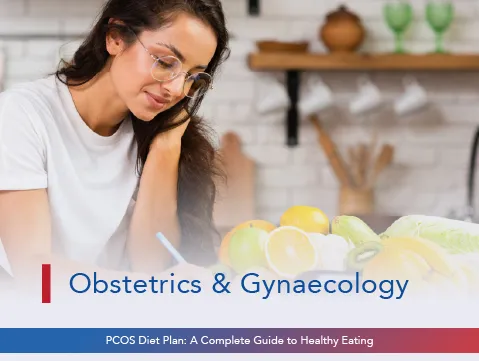











7-Day PCOS Diet Plan: What to Eat, When to Fast, Facts to Know is available for appointments. Please fill the below form to book an appointment.
Unlock the door to exceptional healthcare, book an appointment with SPARSH Hospital and let your journey to wellness begin.
Copyright © 2026 SPARSH Hospital, A Unit of Shiva & Shiva Orthopaedic Hospital Pvt Ltd.






 Live Chat