Published in : Neurology | August 19, 2026 |
 Medically Reviewed
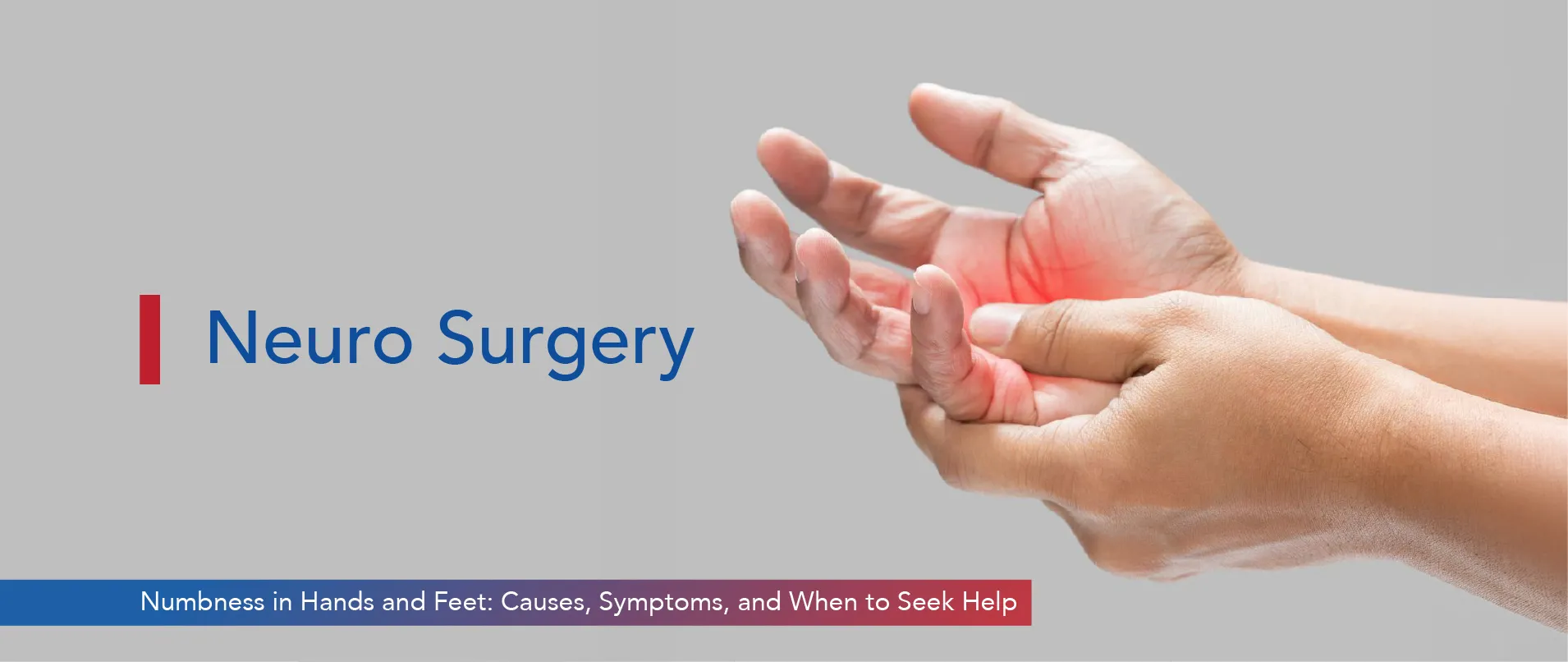
Have you ever experienced a sudden “pins and needles” sensation in your hands or feet after sitting in one position for too long? While this temporary tingling is usually harmless, persistent numbness or tingling may signal an underlying problem affecting the nerves, blood circulation, or spine.
Known medically as paresthesia, numbness and tingling are common neurological symptoms that can occur for many reasons, ranging from vitamin deficiencies and nerve compression to diabetes and chronic kidney disease. According to the National Institutes of Health (NIH), peripheral neuropathy affects approximately 2–3% of the general population and up to 8% of adults over the age of 55, making it one of the most common neurological disorders worldwide.
Although occasional tingling often resolves on its own, symptoms that persist, recur frequently, or are accompanied by weakness or loss of sensation should never be ignored. Understanding the possible causes, symptoms, and treatment options can help ensure timely diagnosis and prevent long-term nerve damage.
When it comes to the causes of numbness in hands and feet, several overlapping factors are usually at play. The causes of numbness in the hands and feet range from temporary nerve compression to chronic medical conditions that require prompt diagnosis and treatment.
Identifying the exact reason for numbness often requires a closer look at your specific symptoms and history. Let us break this down further by examining hand and foot numbness separately below.
Hand numbness, or numbness in the hands, is often linked to nerve compression at the wrist or elbow. Although tingling in the hand is more commonly caused by nerve compression, sudden numbness affecting one side of the body, especially when accompanied by facial drooping, difficulty speaking, or weakness, may indicate a stroke and requires immediate emergency care.
Numbness in the feet may develop gradually or suddenly, depending on its underlying cause. It is commonly associated with nerve damage, poor circulation, or nerve compression in the lower back.
Treatment for numbness in the hands and feet depends entirely on the underlying cause. So, how to stop tingling in hands and feet? Addressing the root condition, rather than just the symptom, is essential.
Seek immediate medical care if you experience numbness:
The first signs of paresthesia, occasional tingling or mild numbness, are easy to dismiss. But if symptoms persist, worsen, or spread, consult a specialist. The risks of numbness and tingling include permanent nerve damage and loss of coordination. Book an appointment early, especially if you have a weakness or a sudden onset, to prevent complications.
Occasional numbness or tingling in the hands and feet is often harmless and may result from temporary pressure on a nerve or sitting in one position for too long. However, symptoms that persist, recur frequently, or are accompanied by pain, weakness, or difficulty with movement should never be ignored, as they may indicate an underlying neurological, circulatory, or metabolic condition.
If you are experiencing persistent numbness or tingling, consult an experienced Neurosurgeon in Bangalore for a comprehensive evaluation. At Sparsh Hospital, our multidisciplinary team uses advanced diagnostic techniques and personalised treatment plans to identify the underlying cause and help restore nerve function, mobility, and quality of life.
Occasional numbness that resolves quickly is usually not a cause for concern. However, seek medical evaluation if the numbness is persistent, spreads to other areas, occurs with weakness or severe pain, or is accompanied by symptoms such as slurred speech, facial drooping, or loss of balance, as these may indicate a medical emergency.
Numbness and tingling in the hands are commonly caused by nerve compression, poor circulation, or nerve damage associated with conditions such as diabetes or carpal tunnel syndrome. Temporary pressure on a nerve, such as sleeping in an awkward position, can also cause short-lived symptoms.
Vitamin B12 deficiency is one of the most common nutritional causes of numbness and tingling because it is essential for healthy nerve function. Deficiencies in folate, vitamin B6, and vitamin E may also contribute to nerve-related symptoms in some individuals.
Although uncommon, tingling or numbness in the left arm or hand accompanied by chest pain, shortness of breath, nausea, sweating, or dizziness may be a sign of a heart attack and requires immediate emergency medical attention.
Categories: Neurology


Numbness in Hands and Feet: Causes, Symptoms, and When to Seek Help is available for appointments. Please fill the below form to book an appointment.
Unlock the door to exceptional healthcare, book an appointment with SPARSH Hospital and let your journey to wellness begin.
Copyright © 2026 SPARSH Hospital, A Unit of Shiva & Shiva Orthopaedic Hospital Pvt Ltd.






 Live Chat