Published in : Neurology | August 23, 2026 |
 Medically Reviewed
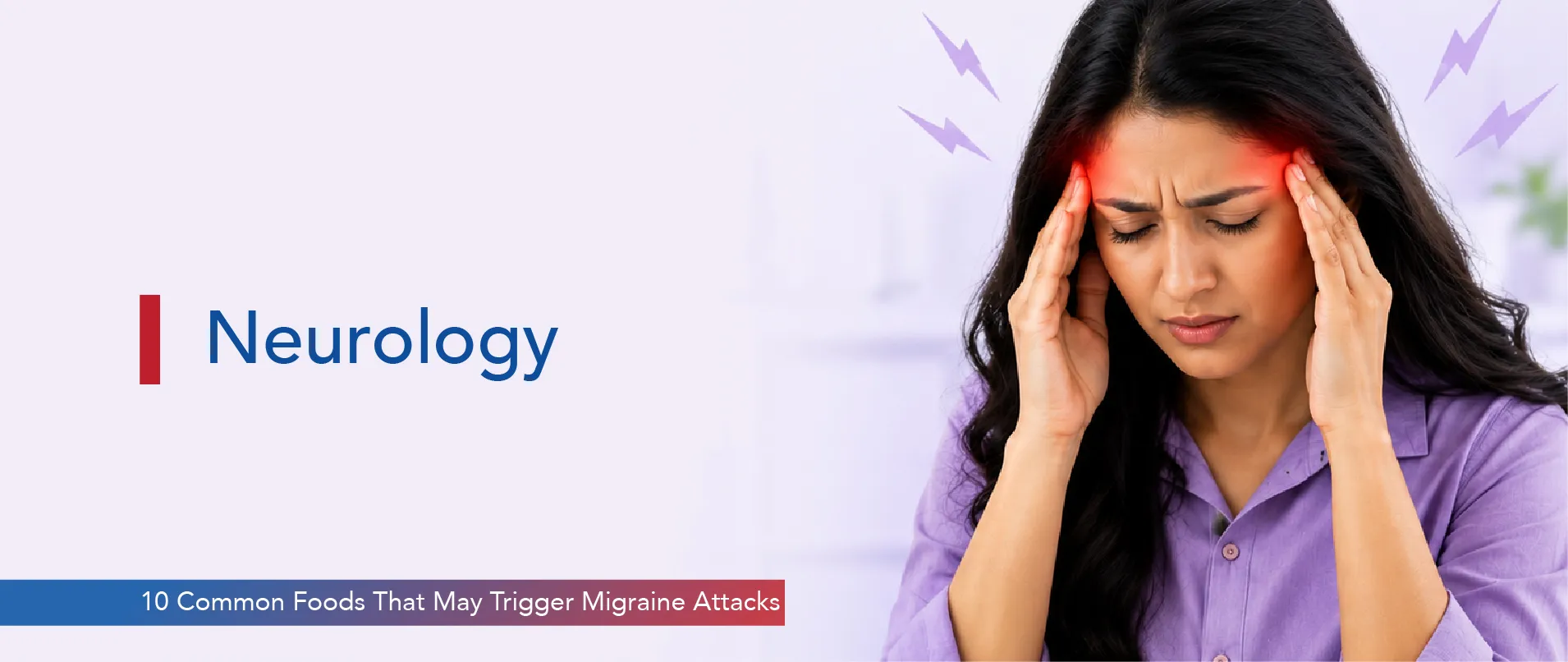
Why do some migraine attacks seem to appear without warning, even when you have done everything right?
Many people associate migraines with stress, lack of sleep, or long hours in front of a screen. However, what often goes unnoticed is the role diet can play in triggering an attack. Certain foods and beverages may act as migraine triggers, sometimes causing symptoms hours after they are consumed, making the connection difficult to identify.
The reality is that no single food is responsible for all migraines. What triggers an attack in one person may be completely harmless to another. However, understanding common migraine triggers and recognising foods that trigger migraines can help you make informed dietary choices and potentially reduce the frequency of attacks.
In this blog, we will discuss what triggers migraines, the most common foods that cause migraines, whether caffeine can cause migraines, and practical dietary strategies that may help support long-term migraine management.
Migraines are more than just severe headaches. They are complex neurological conditions influenced by a combination of genetic, hormonal, environmental, and lifestyle factors. While triggers vary from person to person, identifying them is often an important part of migraine management.
Some of the most common migraine triggers include:
Among these, dietary triggers are some of the most frequently reported and often the most difficult to identify.
Aged cheeses such as cheddar, parmesan, blue cheese, and gouda contain tyramine, a naturally occurring compound that has been associated with migraine attacks in some individuals. The longer a cheese is aged, the higher its tyramine content may become, making it one of the most commonly reported foods that trigger migraines.
Processed meats such as bacon, sausages, salami, and hot dogs often contain preservatives called nitrates and nitrites. These compounds may affect blood vessels and contribute to migraine attacks in susceptible individuals.
Chocolate frequently appears on lists of foods that cause migraines, although its role remains debated.
For some people, naturally occurring compounds such as caffeine and beta-phenylethylamine may contribute to migraine symptoms.
Alcohol, especially red wine, is a well-known migraine trigger.
It may contribute to dehydration and contains compounds such as sulfites and tannins that can trigger migraines in certain individuals.
Artificial sweeteners, particularly aspartame, have been linked to migraines in some people. Monitoring your intake of sugar-free beverages and processed low-calorie foods may help determine whether they contribute to your symptoms.
MSG is a flavor enhancer commonly used in packaged foods, restaurant meals, soups, and snacks. Some individuals report headaches or migraines after consuming foods containing MSG, although sensitivity varies.
Can caffeine cause migraines? The answer is both yes and no.
Small amounts of caffeine may help relieve headaches in some situations. However, excessive caffeine intake or sudden withdrawal can act as powerful migraine triggers. Moderation is often key.
Fermented foods such as soy sauce, pickles, kimchi, and certain fermented beverages contain compounds that may contribute to migraines in sensitive individuals.
Packaged chips, instant noodles, ready-to-eat foods, and processed snacks often contain a combination of preservatives, flavour enhancers, and additives that may trigger migraines.
Although fruits are generally considered healthy, some individuals find that citrus fruits may trigger migraine symptoms.
This does not mean all fruits should be avoided. Instead, it highlights the importance of identifying personal triggers.
Because migraine triggers differ from person to person, there is no universal list of foods that every patient should eliminate.
However, commonly reported migraine foods to avoid include:
Keeping a migraine diary or food journal can help identify patterns between certain foods and migraine attacks.
Patients frequently ask about the best fruit for migraine management.
Fruits that are generally well tolerated include:
These fruits provide hydration, vitamins, and minerals that support overall health. However, individual tolerance varies, so monitoring symptoms after consuming specific fruits may be helpful.
A healthy diet for migraine patients focuses on consistency, balance, and trigger awareness.
Helpful dietary habits include:
Rather than following restrictive diets, many patients benefit from understanding their own triggers and developing sustainable eating habits.
Migraines can significantly affect daily life, productivity, and overall well-being. While not every migraine is caused by food, understanding your personal migraine triggers can help you take greater control of your condition. Identifying foods that cause migraines, limiting migraine foods to avoid, understanding what triggers migraines, and following a balanced diet for migraine patients may help reduce the frequency and severity of attacks over time.
At Sparsh Hospital, experienced specialists provide comprehensive evaluation and personalised treatment plans for migraines and other neurological conditions.
If frequent headaches or migraines are affecting your quality of life, consulting an expert at a leading Neurology Hospital in Bangalore or an experienced Neurologist in Bangalore can help you identify triggers, manage symptoms effectively, and improve long-term outcomes.
Common migraine triggers include certain foods, dehydration, stress, lack of sleep, hormonal changes, excessive screen exposure, and caffeine overuse or withdrawal.
Yes. Excessive caffeine intake or sudden caffeine withdrawal can trigger migraines in some individuals. However, small amounts of caffeine may help relieve headaches in certain situations.
Common migraine foods to avoid include aged cheese, processed meats, alcohol, foods containing MSG, artificial sweeteners, and highly processed snacks. Individual triggers may vary.
A healthy diet for migraine patients includes regular meals, adequate hydration, fresh fruits and vegetables, lean proteins, whole grains, and avoiding known personal triggers.
Categories: Neurology


10 Common Foods That May Trigger Migraine Attacks is available for appointments. Please fill the below form to book an appointment.
Unlock the door to exceptional healthcare, book an appointment with SPARSH Hospital and let your journey to wellness begin.
Copyright © 2026 SPARSH Hospital, A Unit of Shiva & Shiva Orthopaedic Hospital Pvt Ltd.






 Live Chat