Published in : Neurology | August 23, 2026 |
 Medically Reviewed
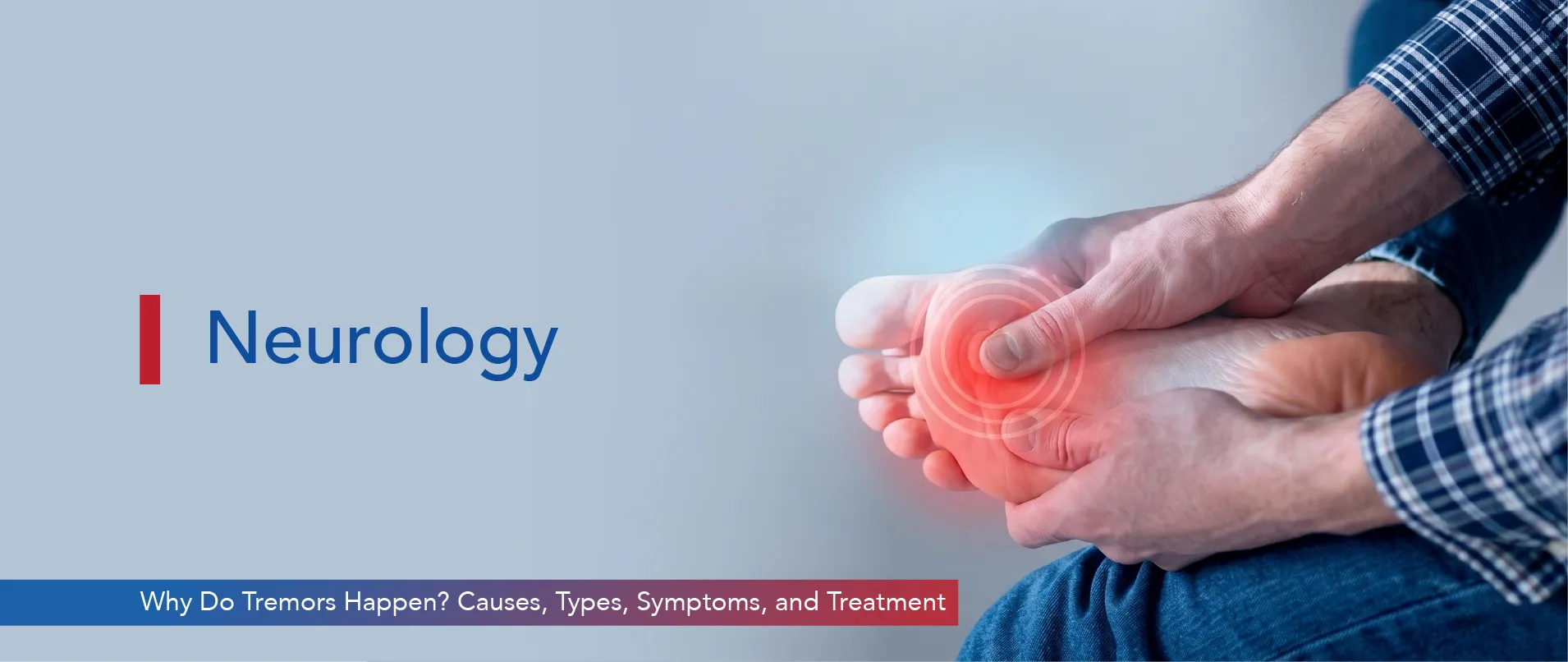
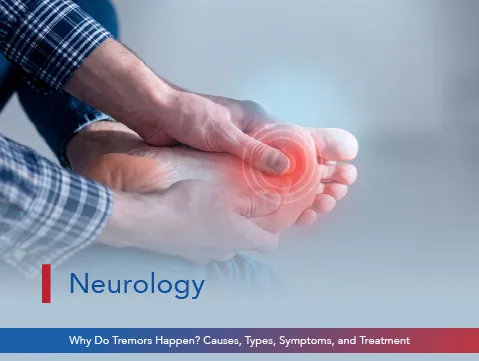
Have you noticed your hands shaking while holding a cup, writing, or reaching for an object? Although occasional shaking can occur due to stress, fatigue, or too much caffeine, persistent tremors may indicate an underlying neurological condition.
Tremors are among the most common movement disorders worldwide. Research published in The Lancet Neurology estimates that essential tremor affects approximately 25 million people globally, with prevalence increasing from about 1.3% in the general population to nearly 6% among adults aged 65 and older.
In this blog, we will discuss what causes tremors, recognise the different types, and know when to seek medical attention to help ensure early diagnosis and appropriate treatment.
Tremors can be traced back to how the brain coordinates muscle movement. When communication between these brain regions is disrupted, involuntary muscle contractions occur, resulting in rhythmic shaking or tremors.
When nerves in this area misfire or fail to communicate smoothly with the muscles, it leads to involuntary, rhythmic contractions. Now, miscommunication can stem from many underlying factors; most body tremors begin with the same basic disruption in the brain’s normal motor control pathways.
Doctors classify tremors based on when they occur and the underlying condition causing them. Identifying the type of tremor helps guide diagnosis and treatment.
Tremors can also be classified by their underlying medical cause. Identifying the specific type helps determine the most appropriate treatment approach and overall management strategy as we advance.
Tests used in the medical evaluation of tremors typically begin with a detailed neurological examination, followed by targeted diagnostic tests to accurately identify the underlying cause and type.
Treatment for tremors depends on the particular underlying cause, the type of tremor, and how much it affects a person’s daily life. While some mild tremors may not require any treatment, others can be managed effectively with medications, physical or occupational therapy, lifestyle modifications, or, in certain cases, surgical procedures.
Medication for tremor disease depends on the underlying cause and severity, ranging from lifestyle changes to medication or surgical intervention for severe cases.
Certain signs suggest a more serious underlying condition requiring prompt evaluation rather than routine monitoring or simple home management.
If you notice any of these warning signs, consulting a Neurologist in Bangalore promptly is strongly advised. Early evaluation often leads to better long-term management outcomes.
Although occasional tremors may result from stress, fatigue, or excessive caffeine intake, persistent or worsening tremors should never be ignored. If you notice ongoing shaking, difficulty performing routine tasks, or tremors accompanied by weakness or balance problems, consult a neurologist promptly.
At Sparsh Hospital, our experienced neurology specialists provide comprehensive evaluation and personalised treatment for a wide range of movement disorders.
Pay attention to when the tremor occurs, whether it affects one or both sides, and if it interferes with daily activities. If it persists or worsens, consult a neurologist.
Tremors may be caused by essential tremor, Parkinson’s disease, thyroid disorders, multiple sclerosis, certain medications, or metabolic conditions. A medical evaluation helps determine the exact cause.
No. Some tremors are harmless and may occur due to stress, fatigue, anxiety, or excessive caffeine intake. However, persistent or worsening tremors should always be assessed by a doctor.
Yes. Deficiencies in vitamin B12 and, in some cases, magnesium can affect nerve function and contribute to tremors. Your doctor may recommend blood tests if a deficiency is suspected.
Categories: Neurology



Why Do Tremors Happen? Causes, Types, Symptoms, and Treatment is available for appointments. Please fill the below form to book an appointment.
Unlock the door to exceptional healthcare, book an appointment with SPARSH Hospital and let your journey to wellness begin.
Copyright © 2026 SPARSH Hospital, A Unit of Shiva & Shiva Orthopaedic Hospital Pvt Ltd.






 Live Chat