Published in : Urology | September 8, 2026 |
 Medically Reviewed
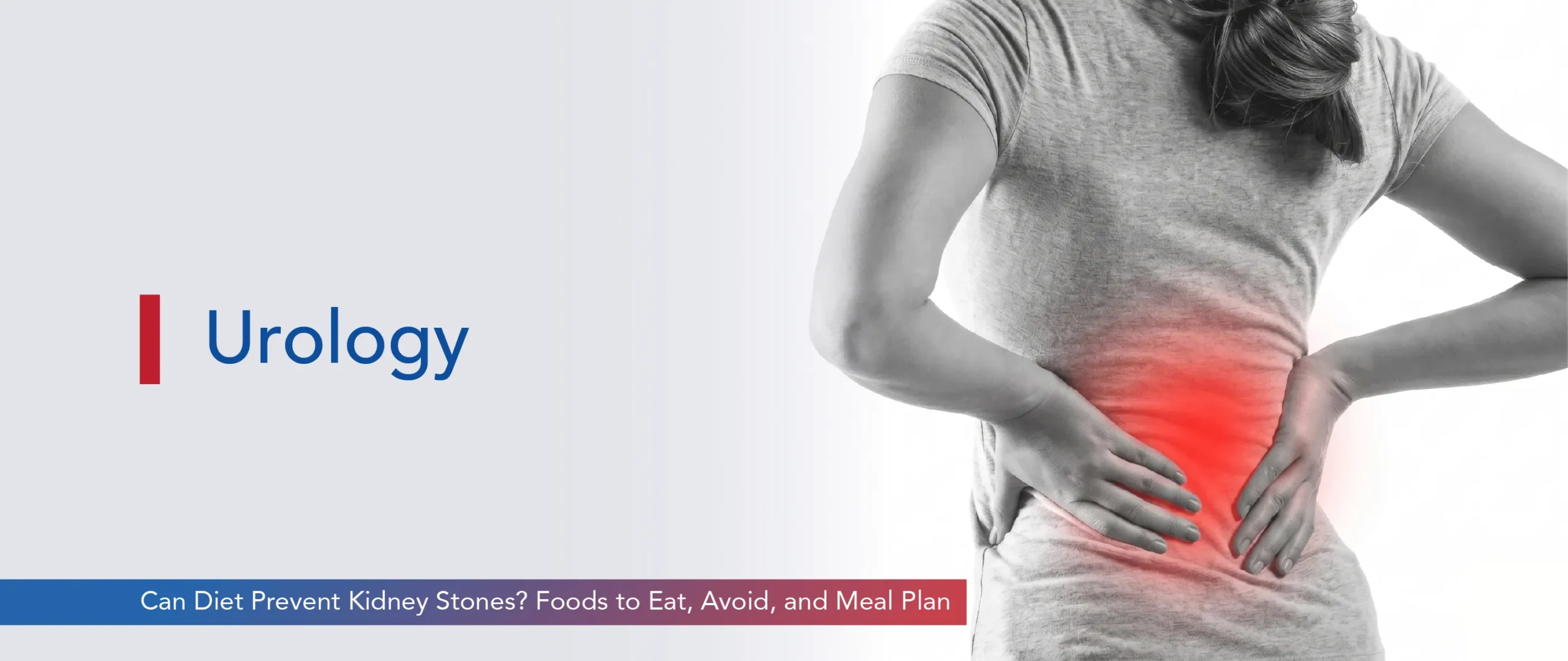
Have you been diagnosed with kidney stones or want to reduce your risk of developing them again? What you eat and drink plays a major role in both preventing kidney stones and lowering the chances of recurrence.
A balanced diet, adequate hydration, and limiting certain foods can significantly reduce this risk. In this guide, we’ll discuss the best foods to eat, foods to limit or avoid, a sample 7-day kidney stone diet chart, and practical tips for preventing future stones.
Citrus fruits are widely recommended for their high citrate content, which helps prevent calcium from binding to oxalate to form new stones.
While no drink truly dissolves a stone, staying well hydrated significantly reduces the mineral concentration in urine, lowering the risk of new stone formation.
Some traditional remedies, such as basil leaves, coriander, and banana stem juice, are used in certain cultures, but there is limited scientific evidence that they dissolve kidney stones. They should not replace medical treatment.
Selecting the right food for kidney stones consistently, alongside adequate hydration, plays a far greater role in prevention than any single fruit, drink, or leaf consumed occasionally or in isolation.
Limiting high-oxalate, high-sodium, and high-purine foods can meaningfully reduce the risk of stone recurrence, especially for those who have previously formed calcium oxalate stones.
If you ask, what foods directly cause kidney stones? No single food causes stones on its own, but a consistently high intake of oxalate-rich, sodium-heavy, or purine-dense foods significantly increases the risk over time. Particularly, it should be limited or paired with calcium-rich foods during meals.
But, if you want to know what deficiency causes kidney stones? It’s certainly the low magnesium food and decreased citrate levels that are commonly associated with increased stone formation, as both nutrients normally help prevent calcium from crystallising in the urinary tract.
A structured kidney stone diet chart helps simplify daily choices. Below is a sample 7-day kidney stone diet chart with practical tips for kidney stone patients.
| Day | Breakfast | Lunch | Snack | Dinner |
|---|---|---|---|---|
| Day 1 | Vegetable upma with low-oxalate veggies | Brown rice, dal, cucumber salad | Watermelon slices | Grilled fish with steamed vegetables |
| Day 2 | Oats with banana and seeds | Roti, rajma (moderate), salad | Coconut water | Vegetable khichdi |
| Day 3 | Idli with sambar (light) | Quinoa, chicken curry, greens | Orange or sweet lime | Lentil soup with multigrain roti |
| Day 4 | Vegetable poha with peanuts (limited) | Brown rice, fish curry, salad | Lemon water | Dal, sautéed low-oxalate vegetables |
| Day 5 | Besan chilla with vegetables | Roti, chickpea curry, raita | Pomegranate seeds | Grilled paneer (moderate) with salad |
| Day 6 | Smoothie with banana and yoghurt | Millet khichdi, curd | Barley water | Light vegetable soup, roti |
| Day 7 | Vegetable dosa | Brown rice, lean meat, salad | Coconut water | Dal with steamed seasonal vegetables |
A healthy diet and adequate hydration are among the most effective ways to reduce the risk of kidney stones and prevent recurrence. Rather than eliminating entire food groups, focus on maintaining a balanced diet, limiting sodium, consuming adequate dietary calcium, and drinking plenty of water throughout the day. If you experience persistent pain, recurrent kidney stones, or blood in the urine, consult a urologist promptly.
At Sparsh Hospital, our experienced urology specialists provide comprehensive evaluation, advanced treatment, and personalised dietary guidance to help patients effectively manage and prevent kidney stones.
Drink plenty of water, limit salt, eat a balanced diet with adequate calcium, and reduce high-oxalate foods if advised by your doctor. Maintaining a healthy weight can also help lower the risk of kidney stone recurrence.
Small kidney stones often pass on their own with hydration and pain management. Larger stones may require treatments such as shock wave lithotripsy, ureteroscopy, or other procedures recommended by a urologist.
Limit foods high in oxalates, sodium, and added sugars, such as spinach, beetroot, chocolate, processed foods, and salty snacks. Your doctor may also advise moderating animal protein based on the type of stone.
Common symptoms include severe pain in the back or side, blood in the urine, painful urination, nausea, vomiting, fever, and frequent or urgent urination. Seek medical attention if these symptoms develop.
Yes. Many small kidney stones pass naturally within a few weeks with adequate hydration and medication. However, larger stones or those causing severe pain, infection, or blockage may require medical intervention.
Categories: Urology


Can Diet Prevent Kidney Stones? Foods to Eat, Avoid, and Meal Plan is available for appointments. Please fill the below form to book an appointment.
Unlock the door to exceptional healthcare, book an appointment with SPARSH Hospital and let your journey to wellness begin.
Copyright © 2026 SPARSH Hospital, A Unit of Shiva & Shiva Orthopaedic Hospital Pvt Ltd.






 Live Chat