Published in : Urology | June 13, 2026 |
 Medically Reviewed
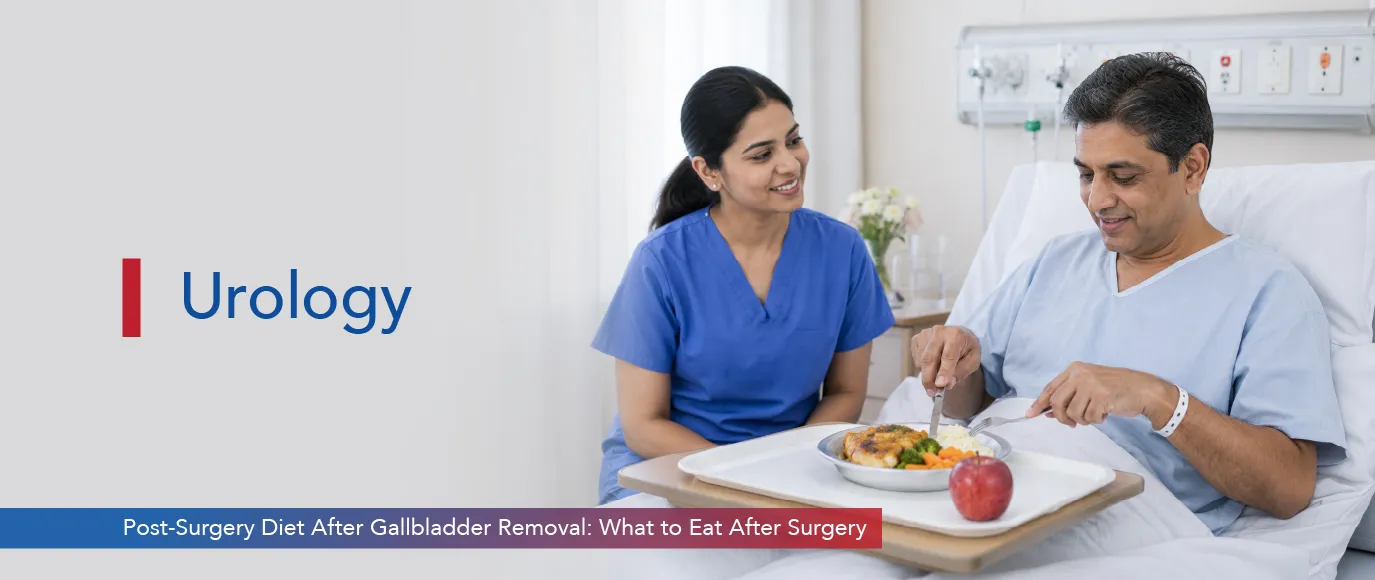
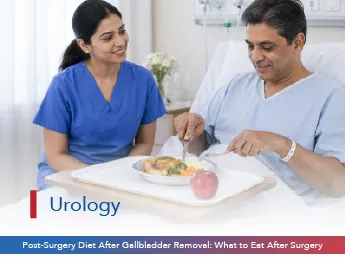
Have you recently undergone gallbladder surgery and are unsure about what your diet should look like now? Many patients find it challenging to adjust their eating habits after the procedure, especially when certain foods suddenly cause discomfort.
Gallbladder removal is one of the most commonly performed digestive surgeries worldwide, primarily due to gallstones and related complications.
While the surgery is effective, it changes how your body processes fats. Therefore, following a healthy diet after gallbladder removal is essential for smooth digestion and recovery.
Here, we will discuss what to eat, what to avoid, and how to gradually transition back to a regular diet to help prevent discomfort and support long-term digestive health.
Gallbladder surgery, also known as cholecystectomy, is performed to remove the gallbladder when it becomes diseased or develops gallstones.
The gallbladder stores bile, which helps digest fats. After removal, bile flows directly from the liver into the intestine, reducing the efficiency of fat digestion.
Hence, adopting a structured gallbladder removal diet is important to help your body adjust to this change.
Recovery after gallbladder surgery varies, but most individuals recover within a few weeks.
Common post-surgery experiences:
Additionally, some people may feel full quickly or experience temporary changes in appetite.
These symptoms usually improve over time. However, following a proper diet after gallbladder removal helps reduce these effects and supports healing.
It is normal to experience certain digestive changes after surgery.
Possible issues include:
These occur because bile is no longer stored and released in controlled amounts.
Therefore, maintaining a balanced gallbladder diet plan can help manage these symptoms effectively.
Simple lifestyle adjustments can make recovery easier and more comfortable.
Practical tips:
Moreover, following a consistent gallbladder diet plan helps your digestive system adapt more efficiently.
Following the right diet after gallbladder removal is essential for avoiding discomfort and maintaining digestive health. Initially, a low-fat, light diet is recommended. Over time, you can gradually expand your food choices as your tolerance increases.
Key dietary principles:
Therefore, a well-planned gallbladder removal diet supports long-term recovery.
Eating the right foods helps your body adjust and reduces digestive discomfort.
List of foods to eat after gallbladder removal:
Additionally, incorporating small amounts of healthy fats over time can help your body adapt gradually.
Many patients ask, what can I eat after gallbladder surgery. The key is to start simply and slowly introducing more variety.
Why these foods help:
Hence, following a structured food plan after gallbladder removal is essential.
Certain foods can trigger discomfort and should be avoided, especially in the early stages.
Foods to avoid after gallbladder surgery:
These foods are harder to digest without the gallbladder’s bile storage function. Moreover, avoiding them helps reduce symptoms such as bloating, diarrhoea, and pain.
Before surgery, dietary changes are often recommended. These habits can continue after surgery to improve digestion.
Foods to eat with gallstones:
Following a gallbladder stone removal diet both before and after surgery supports digestive health. Therefore, maintaining consistency in your eating habits is beneficial.
Each person responds differently after gallbladder surgery. Tracking your meals can help identify trigger foods.
Tips for tracking:
Additionally, this helps personalise your diet after gallbladder removal based on your body’s needs.
Over time, most people can return to a more flexible diet. However, maintaining healthy habits is important.
Long-term tips:
Hence, a well-managed gallbladder diet plan supports long-term digestive health and overall wellness.
Adapting to life after gallbladder surgery requires careful attention to your diet and lifestyle. Following a proper diet after gallbladder removal, understanding what to eat after gallbladder surgery, and maintaining a balanced diet plan are key to recovery. Including a list of foods to eat after gallbladder removal, avoiding trigger foods, and following a structured post-gallbladder-removal diet can significantly improve digestion.
Additionally, being mindful of foods to avoid after gallbladder surgery, incorporating appropriate foods to eat with gallstones, and following a gallbladder stone removal diet helps prevent discomfort and supports long-term health. At Sparsh Hospital, a leading Gastroenterology Hospital in Bangalore, expert care is available for post-surgical guidance and the management of digestive health.
Consulting an experienced Gastroenterologist in Bangalore ensures personalised dietary advice and long-term well-being.
A low-fat, balanced diet including fruits, vegetables, lean proteins, and whole grains is recommended to support digestion and recovery after gallbladder removal.
Avoid fried foods, high-fat dairy, processed foods, and spicy meals, as they can cause digestive discomfort and slow down recovery.
Most people adjust within a few weeks, although some may take longer depending on their digestion and tolerance to different foods.
Fatty foods should be limited, especially initially, as the body may struggle to digest them efficiently without the gallbladder.
While strict restrictions may not be permanent, maintaining a balanced, low-fat diet helps prevent digestive issues and supports overall health.
3 Mins Read
Categories: Urology


Post-Surgery Diet After Gallbladder Removal: What to Eat After Surgery is available for appointments. Please fill the below form to book an appointment.
Unlock the door to exceptional healthcare, book an appointment with SPARSH Hospital and let your journey to wellness begin.
Copyright © 2026 SPARSH Hospital, A Unit of Shiva & Shiva Orthopaedic Hospital Pvt Ltd.






 Live Chat