Published in : Cardiac Sciences | October 30, 2026 |
 Medically Reviewed
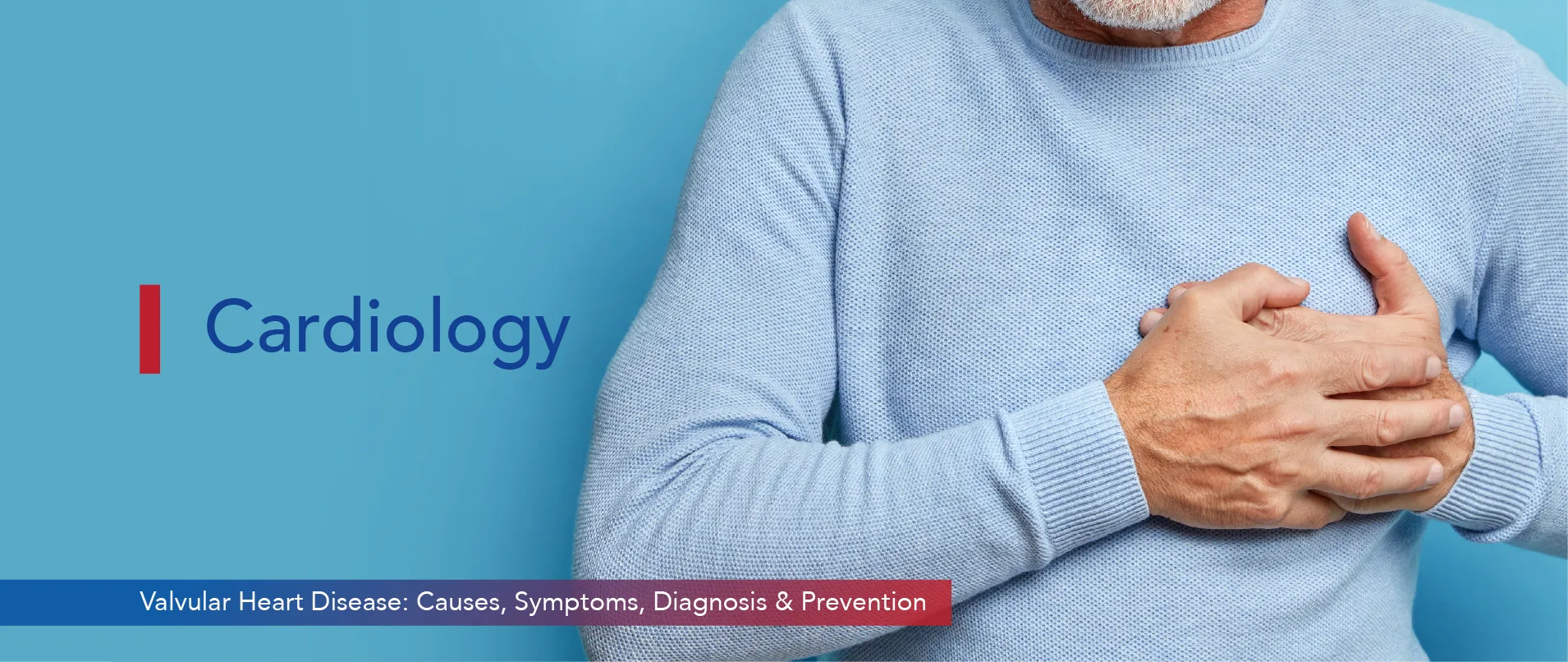
The heart has four valves, i.e., aortic, mitral, tricuspid, and pulmonary, that work together to keep blood flowing in the right direction. Each valve opens to allow blood to pass through and closes to prevent it from flowing backwards.
When one or more of these valves fail to open or close properly, blood flow is disrupted, forcing the heart to work harder to pump blood throughout the body. This condition is known as valvular heart disease.
The condition can develop over many years or result from an infection, a congenital heart defect, or age-related changes. Early on, it usually doesn’t cause any symptoms at all, which is exactly why it tends to slip by unnoticed until it shows up in the routine exam.
Detecting it at that stage matters: earlier treatment means fewer complications down the line, such as heart failure or an irregular rhythm, and a better shot at keeping the heart healthy over the long term.
Four valves, i.e., aortic, mitral, pulmonary, and tricuspid, control blood flow through the heart. A valve can stiffen and narrow, a condition called stenosis, which restricts flow. Or it can fail to close tightly, allowing blood to leak backwards; this is regurgitation, one of the most common symptoms of heart valve disease.
When the valve flaps stretch and bulge backwards, it is known as prolapse. Both stenosis and regurgitation force the heart muscle to work harder over time, so understanding which mechanism is at play shapes treatment.
Age plays a large role. The aortic valve in particular tends to accumulate calcium deposits over the decades, gradually stiffening. Untreated strep throat is another major cause worldwide; left alone, it can lead to rheumatic fever, which damages valve tissue. Bacterial endocarditis, an infection of the heart’s inner lining, can destroy a valve fairly quickly.
Some people are born with malformed valves. High blood pressure and coronary artery disease add further strain.
Heart valve failure signs are often overlooked in the early stages, which is part of what makes it tricky. As it progresses, the heart starts to struggle to keep up with the body’s oxygen needs, and that’s when symptoms show up: breathlessness during everyday activities, persistent fatigue, and reduced stamina. Swelling in the ankles and feet, along with fluid buildup, are also common signs of heart valve damage.
Some people notice palpitations or a racing heartbeat with no clear trigger. Dizziness and fainting spells are more serious warning signs and shouldn’t be brushed off. Anyone noticing these heart valve damage symptoms should get checked rather than wait it out.
Diagnosis usually starts with a physical exam. Doctors listen for a heart murmur, the telltale sound of turbulent blood flow through a damaged valve. From there, an echocardiogram gives the clearest picture.
Advanced ultrasound imaging of the beating heart shows how the valves move and how blood flows through them. An ECG checks for irregular heart rhythms, and a chest X-ray can reveal an enlarged heart or fluid in the lungs.
A cardiology hospital in Bangalore with cardiac MRI on hand can dig deeper when needed, and some cases call for cardiac catheterisation to assess the coronary arteries as well. A cardiologist in Bangalore, reviewing these results, can determine how advanced the condition is and what it requires.
Although congenital valve defects are present at birth, many forms of valvular heart disease can be prevented through good heart health and regular medical check-ups. Regular aerobic exercise keeps the heart and blood vessels working well.
Less salt and saturated fat help too. So does keeping blood pressure and cholesterol in check, which alone takes real pressure off the valves. According to the CDC, treating group A streptococcal (strep throat) infections with antibiotics helps prevent serious complications such as rheumatic fever, which can permanently damage the heart valves. And something as simple as brushing and flossing lowers the risk of endocarditis.
Vascular Heart Treatment depends on which valve is affected and how far the disease has progressed. Mild cases might just need monitoring and medication. Diuretics to manage fluid buildup, beta-blockers, or calcium channel blockers to control rhythm.
More advanced cases may require surgery. If the valve can be repaired, that is usually preferred. If not, it may be replaced with a mechanical or biological valve. Minimally invasive options like transcatheter aortic valve implantation have made surgery possible for higher-risk patients who might not have tolerated open surgery.
The WHO notes that these surgical advances have meaningfully improved survival rates. Ignoring warning signs, on the other hand, only lets the damage progress, so it is best to discuss these options with a specialist sooner rather than later.
Valvular heart disease is manageable when diagnosed and treated early. It is best to monitor symptoms and seek timely medical care, which can help prevent complications and improve long-term heart health.
At Sparsh Hospital, our team of specialists offer complete care and advanced treatment for valvular heart disease. If you’re experiencing persistent symptoms, consult a Cardiologist in Bangalore for expert care.
It’s a condition where one or more heart valves don’t open or close properly, disrupting normal blood flow.
Shortness of breath, swollen ankles, fatigue, and heart palpitations are the most common signs of a damaged heart valve.
Age-related calcification is common, along with rheumatic fever, bacterial endocarditis, and congenital defects, which are the causes of heart valve disease.
Congenital cases can’t be prevented, but lifestyle changes, diet, exercise, and prompt treatment of infections can reduce the risk of valve disease.
As soon as you notice symptoms such as breathlessness, fatigue, swelling, dizziness or fainting. Early evaluation at a cardiology hospital prevents complications down the line.
Categories: Cardiac Sciences







Valvular Heart Disease: Causes, Symptoms, Diagnosis, and Prevention is available for appointments. Please fill the below form to book an appointment.
Unlock the door to exceptional healthcare, book an appointment with SPARSH Hospital and let your journey to wellness begin.
Copyright © 2026 SPARSH Hospital, A Unit of Shiva & Shiva Orthopaedic Hospital Pvt Ltd.






 Live Chat