Published in : Cardiac Sciences | October 30, 2026 |
 Medically Reviewed
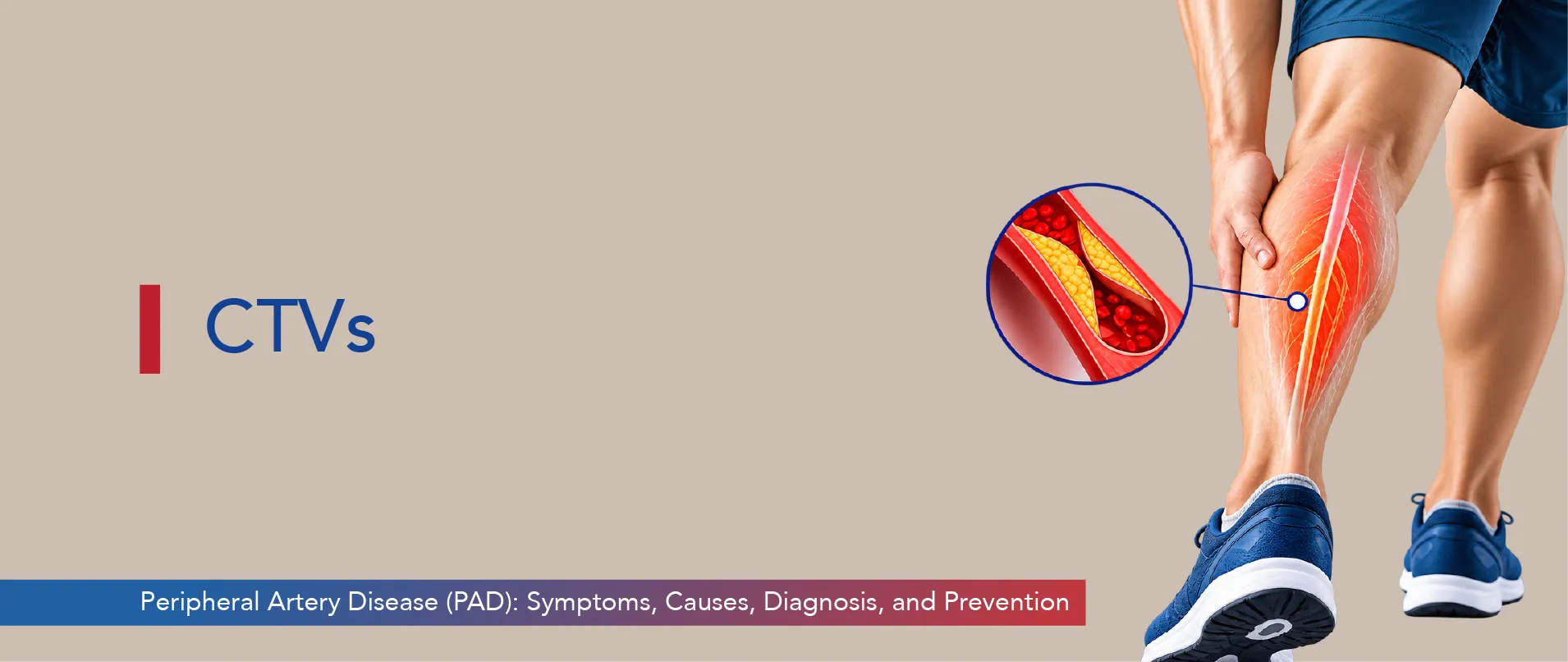
Peripheral artery disease (PAD) develops when the arteries outside the heart become narrowed or blocked. This reduces blood flow to different parts of the body. It most commonly affects the legs, although the arms and other organs can also be involved.
PAD is a form of atherosclerosis: plaque, fat, cholesterol, and cellular debris build up inside the artery walls. As the build-up narrows the arteries, blood flow to the heart muscle drops significantly.
The World Health Organisation (WHO) lists peripheral arterial disease as one of the main types of cardiovascular disease, alongside coronary heart disease and cerebrovascular disease. If left untreated, PAD raises the risk of heart attack, stroke, and limb loss.
Early detection changes outcomes. A prompt diagnosis allows treatment before serious complications comes in, which is exactly why understanding the early signs of PAD matters.
PAD develops gradually. Plaque accumulates inside the artery walls over the years. The vessel stiffens and cannot widen enough to meet a muscle’s demand for oxygen during activity.
In mild cases, symptoms appear only during exercise. In severe cases, pain occurs even at rest. This is known as critical limb ischaemia, a typical medical emergency that can lead to tissue damage and amputation if left untreated.
PAD often occurs alongside other cardiovascular conditions. Many people with PAD also have coronary artery disease or have experienced a stroke because atherosclerosis can affect arteries throughout the body.
Atherosclerosis causes most cases of this disease. Cholesterol and fatty material accumulate on the inner artery wall; the wall thickens and hardens, and blood flow is reduced. This is confirmed by the CDC, which identifies plaque build-up as the primary cause of peripheral artery disease.
Smoking is the strongest modifiable risk factor. Data linked to the CDC suggests that around half of all PAD cases relate to smoking. Tobacco use damages the artery lining and speeds up plaque formation.
Diabetes raises the risk considerably as well. Persistently high blood sugar damages blood vessels over time and accelerates atherosclerosis throughout the body.
Additional risk factors include obesity, high blood pressure and cholesterol, a sedentary lifestyle, and a family history of vascular disease.
Age plays a crucial part, too; MedlinePlus notes that PAD is seen most often in people over the age of 50. Less commonly, PAD results from a blood clot, a limb injury, or unusual anatomy of the surrounding muscles.
The classic PAD disease symptoms are leg pain during walking that eases with rest and numbness. This is called claudication. It typically affects the calf, thigh, hip, or buttock.
However, many people with PAD have no symptoms at all. The CDC notes that up to four in ten people with the condition do not experience leg pain, which is why screening at-risk individuals matters, even in the absence of PAD disease symptoms.
Other common signs of peripheral artery disease include:
In advanced stages, pain continues even after rest, particularly at night. If you experience these symptoms, it’s important to seek urgent medical attention.
Diagnosis begins with a physical examination. A doctor checks the pulse in the legs and feet and looks for changes in skin colour, temperature, and texture.
The ankle-brachial index (ABI) is the standard first test. It compares blood pressure at the ankle with blood pressure at the arm. A reduced ratio points to restricted blood flow.
Further imaging may include duplex ultrasound, CT angiography, or magnetic resonance angiography. These tests map the exact location and extent of the blockage.
A Cardiovascular and Thoracic Surgery Hospital in Bangalore with on-site advanced vascular imaging can identify the affected arteries and plan appropriate treatment.
PAD is common, often silent, and closely tied to overall cardiovascular health. Recognising the signs of PAD early and acting on risk factors promptly protects both the limbs and the heart.
Sparsh Hospital offers comprehensive vascular assessments and a full range of treatment options for PAD. If you notice any of the symptoms above, do not wait; book an appointment with a specialist at a leading Cardiovascular and Thoracic Surgery Hospital.
Many cases of PAD are preventable. Addressing modifiable risk factors substantially lowers the risk of developing the condition.
The WHO states that most cardiovascular diseases, including PAD, can be prevented by addressing behavioural risk factors, such as use of tobacco and alcohol, an unhealthy diet, and physical inactivity.
The prevention of artery disease includes:
The treatment depends on severity. Mild PAD often responds to lifestyle changes and a supervised exercise programme, which encourages small new blood vessels to form around the blockage.
Medication may include antiplatelet drugs, statins to control cholesterol, and drugs that improve walking distance.
Advanced cases may need angioplasty, stenting, or bypass surgery to restore blood flow. A specialist vascular team assesses which approach suits each patient.
Peripheral artery disease is the narrowing or blockage of the arteries that carry blood to the arms, legs, and other organs, most often affecting the legs.
Leg pain that eases with rest, numbness, a cold leg or foot, slow-healing sores, and a weak pulse are common signs of PAD.
When fats, cholesterol, and other substances accumulate along the artery walls, it causes PAD. Smoking, an unhealthy diet, and diabetes are the leading risk factors.
Largely, yes. Stopping smoking, staying physically active, and managing blood pressure, cholesterol, and blood sugar substantially lower the risk.
See a specialist promptly if you notice leg pain on walking, a non-healing sore, or a cold limb. Early evaluation at a Cardiovascular and Thoracic Surgery Hospital helps prevent serious complications.
Categories: Cardiac Sciences



Peripheral Artery Disease (PAD): Symptoms, Causes, Diagnosis, and Prevention is available for appointments. Please fill the below form to book an appointment.
Unlock the door to exceptional healthcare, book an appointment with SPARSH Hospital and let your journey to wellness begin.
Copyright © 2026 SPARSH Hospital, A Unit of Shiva & Shiva Orthopaedic Hospital Pvt Ltd.






 Live Chat